
Seawall Construction Costs: Factors, Pricing & Long-Term Value
By LKA Admin, LKA Dock Builder
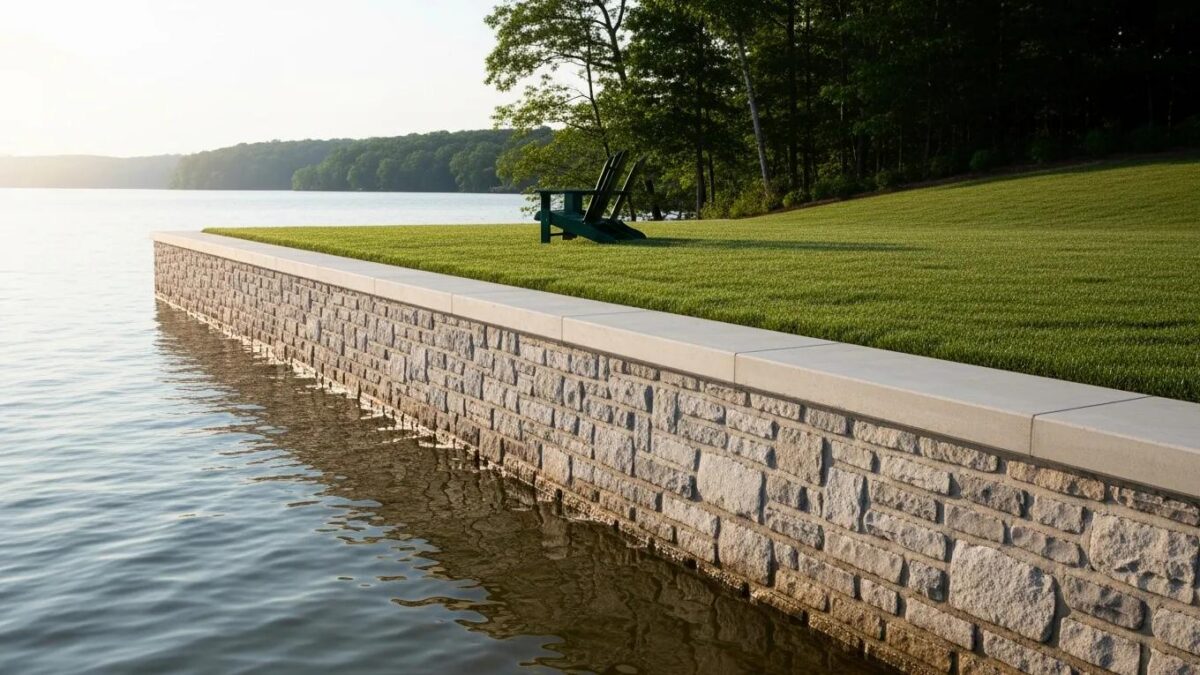
Seawalls are essential structures for property owners in Lake Anna, providing critical protection against erosion and water damage. This comprehensive guide will delve into the costs associated with seawall installation, the various materials available, and the maintenance required to ensure longevity. Understanding these factors is crucial for property owners looking to safeguard their waterfront investments. Throughout this article, we will explore the installation process, material options, and maintenance requirements, equipping you with the knowledge needed to make informed decisions. By the end, you will have a clear understanding of the financial and practical aspects of seawall construction, enabling you to protect your property effectively.
Beyond the immediate protection, understanding the broader environmental, social, and economic implications of seawalls, including their role in erosion control, is crucial for property owners.
Seawall Economic Implications & Erosion Control
This study concerns the environmental, economic and social implications of seawalls in Samoa. Information for this study was gathered using a combination of secondary sources and primary sources including interviews, surveys and participant observation. Given the cultural and economic importance of Samoa’s coastline and the fact that seawalls, which already occupy much of Samoa’s coast, are becoming more abundant, it is important to understand the implications of building them. The researcher found that partially due to climate change and sand mining, Samoa’s coastline has become increasingly threatened by erosion and coastal retreat. Seawalls are in many cases the fastest and most effective way to stabilize a particular area of coastline. There are, however, downsides to seawalls such as their common tendency to accelerate erosion on adjacent land.
Seawalls in Samoa: A Look at Their Environmental, Social and Economic Implications, 2011
Installation Costs
The cost of seawall installation in the Lake Anna area typically ranges from $150 to $300 per linear foot. Overall project costs can vary widely, generally falling between $20,000 to $60,000. Several factors influence these costs, including the choice of materials and site conditions. Understanding these financial aspects is vital for property owners planning a seawall project.
Further research emphasizes the importance of material quantities in generating accurate cost estimates per linear foot for seawall construction.
Seawall Construction Cost Estimation & Per Meter Pricing
For construction cost estimate, material quantities can be used to generate cost per meter length (eg seawall) or cost per seawall is built in Sheung Wan area, the construction costs.
Benefit–cost analysis on coastal structures design for climate change adaptation in Hong Kong, 2017
What Are the Key Factors Influencing Seawall Installation Cost at Lake Anna?
Several key factors influence the cost of seawall installation at Lake Anna:
- Material Choice: Different materials have varying costs and lifespans, impacting the overall budget.
- Labor Costs: Skilled labor is necessary for quality construction, which can affect overall expenses.
- Site Conditions: Unique site challenges can complicate installation and increase costs.
- Regulatory Compliance: Costs associated with permits and environmental assessments can add to the budget.
Installation Process
The seawall installation process involves several key steps that ensure a robust and durable structure. Understanding these steps can help property owners prepare for the project and set realistic expectations.
How Is the Seawall Installation Process Conducted by Lake Anna Contractors?
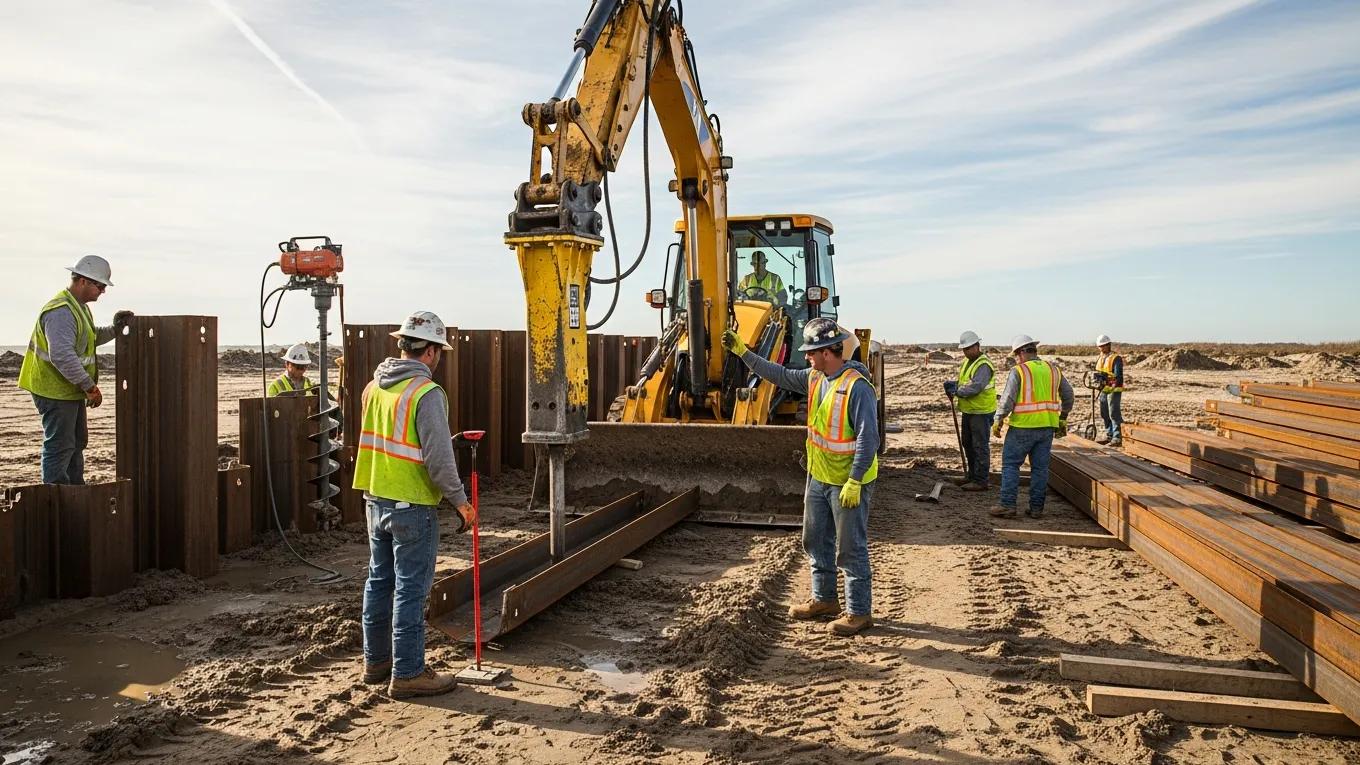
The installation process typically includes the following steps:
- Site Preparation: Clearing the area and preparing the foundation for the seawall.
- Driving Sheets: Installing the vertical sheets that will form the seawall.
- Installing Rebar: Reinforcing the structure with steel rebar for added strength.
- Adding Weep Holes: Creating drainage points to prevent water buildup behind the wall.
- Filling with Concrete: Pouring concrete to secure the structure and provide stability.
Material Options
When it comes to seawalls, various material options are available, each with its own advantages and disadvantages. Understanding these options can help property owners choose the best fit for their needs.
How Do Material Types Affect Waterfront Seawall Prices?
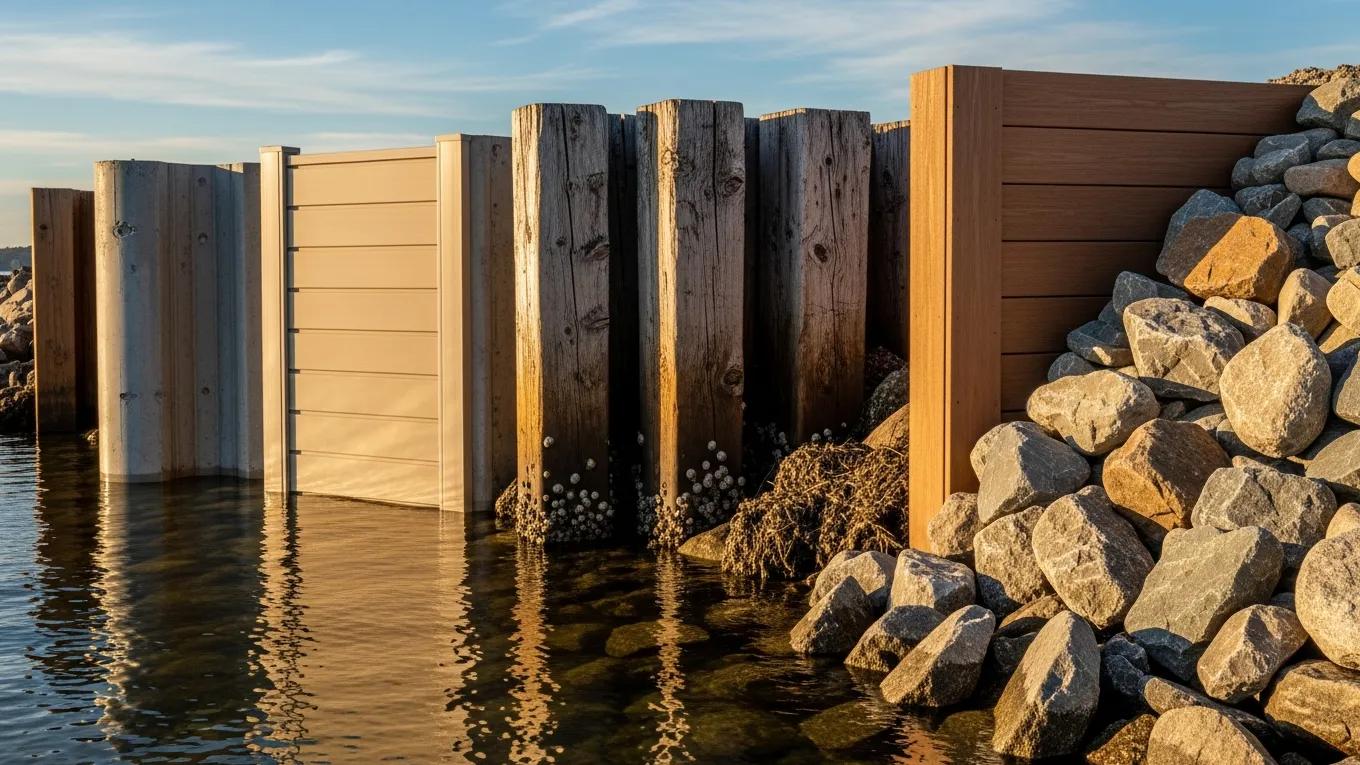
Here are some common material options for seawalls:
- Concrete Seawalls: Durable and long-lasting, with a lifespan of 30-50 years, but typically more expensive.
- Vinyl Seawalls: Lightweight, low-maintenance, and resistant to corrosion, making them a popular choice.
- Timber Seawalls: Offer aesthetic appeal but have a shorter lifespan of 15-30 years and may require more frequent repairs.
- Composite Seawalls: Combine strength and durability with minimal upkeep, providing a balanced option.
- Rip Rap Seawalls: Use natural stone for effective erosion control, blending well with the natural environment.
This comparison demonstrates how different material options can impact both the initial investment and long-term maintenance costs.
Maintenance Requirements
Proper maintenance is essential for ensuring the longevity of seawalls. Regular upkeep can prevent costly repairs and extend the lifespan of the structure.
How Can Property Owners Maintain and Repair Seawalls to Maximize Longevity?
Key maintenance practices include:
- Regular Inspections: Essential for identifying wear and potential issues before they escalate.
- Seasonal Cleaning: Removing debris and algae buildup to maintain structural integrity.
- Prompt Repairs: Addressing any damage quickly to prevent further issues from developing.
- Proper Maintenance: Following these practices can significantly extend the lifespan of the seawall.
Permitting Process
Before beginning a seawall project, property owners must navigate the permitting process, which is crucial for compliance with local regulations.
What Local Permitting and Regulatory Requirements Affect Seawall Projects at Lake Anna?
All seawall projects require a permit from local authorities. The process typically involves:
- Submitting a Permit Application: Including detailed plans for the proposed seawall.
- Approval from Relevant Entities: Ensuring compliance with local building codes and environmental regulations.
- Adhering to Guidelines: Following all local guidelines to avoid potential fines or project delays.
Factors Influencing Costs
Understanding the various factors that influence seawall installation costs can help property owners budget effectively and make informed decisions.
What Role Do Labor and Permits Play in Total Seawall Costs?
Labor and permits are significant components of the overall cost structure:
- Labor Costs: Skilled labor is necessary for quality construction, which can vary based on local rates.
- Permitting Costs: Fees associated with obtaining the necessary permits can add to the overall budget.
By considering these factors, property owners can better prepare for the financial aspects of their seawall projects.