Seawalls vs. Natural Barriers: Choosing the Best Shoreline Defense
By LKA Admin, LKA Dock Builder
As climate change raises concerns over coastal erosion, understanding the best practices for shoreline protection becomes increasingly vital. This article explores the key characteristics and benefits of seawalls and natural barriers, addressing the question of which method better safeguards waterfront properties from erosion and water damage. Readers will gain insights into the mechanisms of these protective structures, evaluate their long-term benefits, and consider how marine construction services, such as those provided by LKA Dock Builder, play a role in effective shoreline solutions.
Understanding how these structures function is paramount. Seawalls, constructed from robust materials, redirect the energy of waves, while natural barriers, like living shorelines, utilize vegetation and organic materials to absorb wave energy and enhance ecological resilience. The growing demand for effective shoreline protection solutions has led to innovations in both engineered and natural methods. This article will discuss the differences between seawalls and natural barriers, including their costs, longevity, and overall effectiveness.
How Do Seawalls Protect Waterfront Homes Against Erosion?
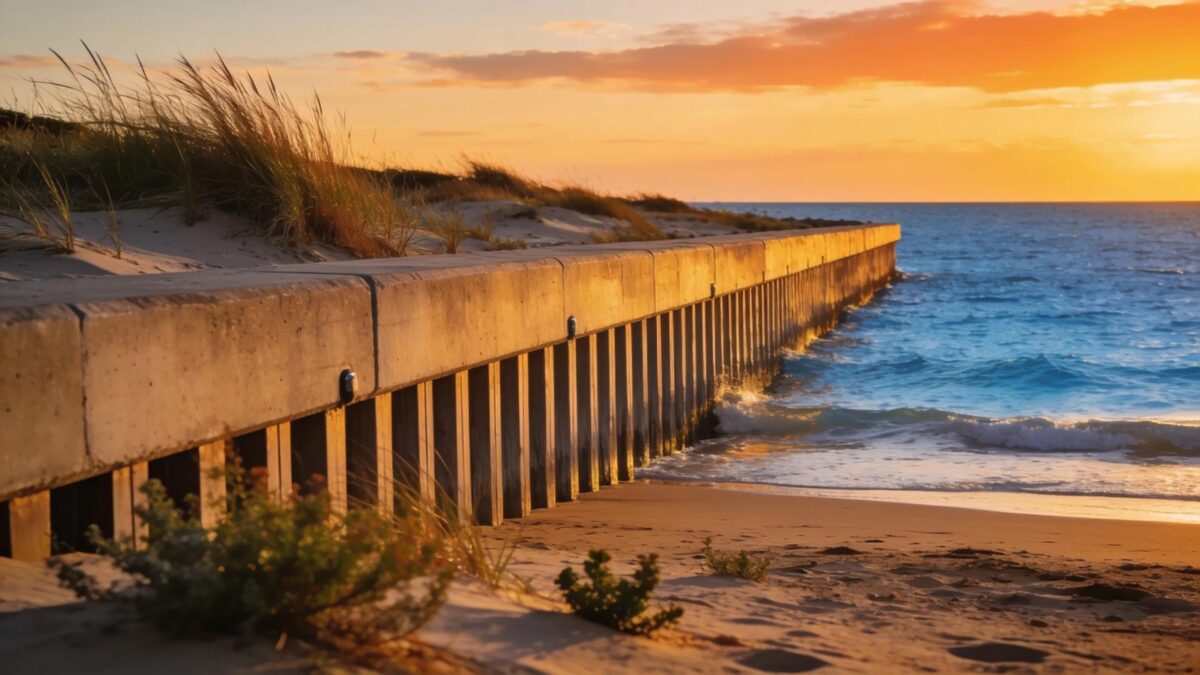
Seawalls are engineered structures designed to protect coastal properties by absorbing and redirecting wave energy, thus significantly reducing the impact of erosion. The primary function of a seawall is to create a barrier against incoming waves, effectively protecting the land behind it from water intrusion and damage. Common materials used in seawall construction include concrete, vinyl, and treated timber, all of which contribute to their durability and effectiveness.
For property owners seeking solutions to shoreline erosion, partnering with a specialized marine construction service like LKA Dock Builder can provide tailored strategies. Their expertise in seawall construction includes site assessment and ongoing maintenance plans to ensure maximum protection against shoreline erosion.
What Materials and Engineering Techniques Are Used in Seawall Construction?
The construction of seawalls involves careful selection of materials and engineering techniques to ensure longevity and effectiveness. Common materials include:
- Concrete: Renowned for its strength and durability, concrete provides robust protection against wave forces.
- Vinyl: This material offers resistance to corrosion and is often used in areas with a significant amount of water exposure.
- Treated Timber: While less durable than concrete or vinyl, treated timber can be an effective choice for specific environments.
Engineering techniques, such as slope calculation, foundation depth considerations, and wave energy assessments, play a crucial role in the installation of seawalls. Attention to local environmental conditions is vital for the long-term success of these structures.
What Are the Long-Term Benefits and Durability of Engineered Seawalls?
Engineered seawalls provide several long-term benefits:
- Durability: Built to withstand the harsh conditions associated with marine environments, seawalls have extended lifespans compared to other shoreline protection methods.
- Immediate Protection: Seawalls provide a reliable and quick solution for preventing erosion, quickly safeguarding properties at risk.
- Aesthetic Appeal: Modern designs can enhance the visual appeal of waterfront properties, blending with the natural environment.
This durability, combined with immediate protective benefits, positions seawalls as a favored choice among property owners facing shoreline erosion issues.
What Advantages and Limitations Do Natural Barriers Offer for Shoreline Protection?

Natural barriers, including living shorelines, provide an alternative to engineered structures. These systems utilize vegetation and organic materials to combat erosion while supporting ecological health. Some advantages of natural barriers include:
- Eco-friendliness: Natural barriers contribute to biodiversity and wildlife habitats, promoting overall environmental wellness.
- Cost-effectiveness: They often require less initial investment than engineered options.
- Adaptability: Natural barriers can be more adaptable to changes in coastal ecosystems over time.
However, natural barriers also have limitations:
- Variable Effectiveness: Their efficiency can fluctuate based on environmental changes and storm intensity.
- Maintenance Requirements: Natural systems require ongoing care and attention to remain effective against erosion.
How Do Living Shorelines and Vegetated Natural Barriers Reduce Erosion?
Living shorelines utilize native vegetation to reduce wave energy, enhance sediment stability, and improve water quality. These barriers promote natural coastal processes while creating habitat for aquatic and terrestrial species.
Their mechanisms for erosion reduction include:
- Wave energy absorption: Vegetation helps dissipate the energy of incoming waves before reaching the shoreline.
- Root structure: The extensive root systems of plants stabilize the soil, preventing erosion.
- Biodiversity support: Enhanced habitats foster diverse ecosystems that contribute to overall shoreline resilience.
What Are the Environmental and Maintenance Considerations for Natural Barriers?
Maintaining natural barriers involves several environmental considerations:
- Species Selection: Using native plant species is crucial for fostering healthy growth and ecosystem balance.
- Regular Monitoring: Assessing the effectiveness of the barrier over time helps locate any need for restoration or rehabilitation.
- Water Quality Maintenance: Monitoring water quality ensures the longevity of both the natural barrier and the surrounding marine environment.
Understanding these maintenance requirements is essential for property owners opting for natural shoreline protection solutions, ensuring they are equipped to keep their land safe from erosion.
How Do Seawalls and Natural Barriers Compare in Cost, Longevity, and Effectiveness?
When evaluating the cost and effectiveness of seawalls versus natural barriers, property owners should consider the financial implications associated with both methods.
- Installation Costs: Seawalls generally involve higher upfront costs due to engineering and material expenses. In contrast, natural barriers can be less costly to implement.
- Longevity: Seawalls typically have longer lifespans than natural barriers, providing lasting protection for homes. However, proper maintenance of natural barriers can enhance their durability.
- Effectiveness Under Varying Conditions: Seawalls may offer immediate protection but can be less effective in terms of environmental integration compared to natural solutions, which support ecosystem health while mitigating erosion.
What Are the Typical Installation and Maintenance Costs for Each Protection Method?
The costs associated with seawalls and natural barriers vary significantly based on factors such as location and materials used:
- Seawalls: Installation costs range widely based on design and materials, but they generally hover between $100 to $300 per linear foot. Maintenance involves inspections and repairs which can incur additional costs over time.
- Natural Barriers: Installation costs can range from $50 to $150 per linear foot, depending on native plant selection and site preparation needs. Maintenance may entail periodic planting and monitoring, but these costs are often lower than those required for seawall upkeep.
Research further illustrates these financial aspects by comparing the cost-effectiveness of various coastal protection strategies.
Comparing Cost-Effectiveness of Natural Barriers and Seawalls for Coastal Protection
ABSTRACT: AbstractCoastal risks are increasing from both development and climate change. Interest is growing in the protective role that coastal nature-based measures (or green infrastructure), such as reefs and wetlands, can play in adapting to these risks. However, a lack of quantitative information on their relative costs and benefits is one principal factor limiting their use more broadly. Here, we apply a quantitative risk assessment framework to assess coastal flood risk (from climate change and economic exposure growth) across the United States Gulf of Mexico coast to compare the cost effectiveness of different adaptation measures. These include nature-based (e.g. oyster reef restoration), structural or grey (e.g., seawalls) and policy measures (e.g. home elevation). We first find that coastal development will be a critical driver of risk, particularly for major disasters, but climate change will cause more recurrent losses through changes in storms and relative sea level rise. By 2030, f
Comparing the cost effectiveness of nature-based and coastal adaptation: A case study from the Gulf Coast of the United States, BG Reguero, 2018
Which Shoreline Protection Option Offers Better Durability and Erosion Control Over Time?
In assessing durability, seawalls often outperform natural barriers due to their robust engineering and material compositions. However, certain conditions favor natural barriers, especially in areas with high ecological value and biodiversity. Historical performance data supports that while seawalls provide immediate protection, natural barriers can yield long-term resilience when properly maintained.
How Does LKA Dock Builder Provide Custom Marine Construction Services for Waterfront Protection?
LKA Dock Builder specializes in creating tailored solutions for shoreline protection, offering a range of services including seawall construction and maintenance. Their localized expertise in marine construction ensures that clients receive customized support suitable for their unique environmental conditions.
The company engages in detailed project consultations, allowing property owners to understand their best options for erosion control. By prioritizing direct client engagement, LKA Dock Builder offers transparent quotes and timelines for seawall projects, streamlining the process from design to installation.
What Is the Step-by-Step Process for Custom Seawall Design and Installation?
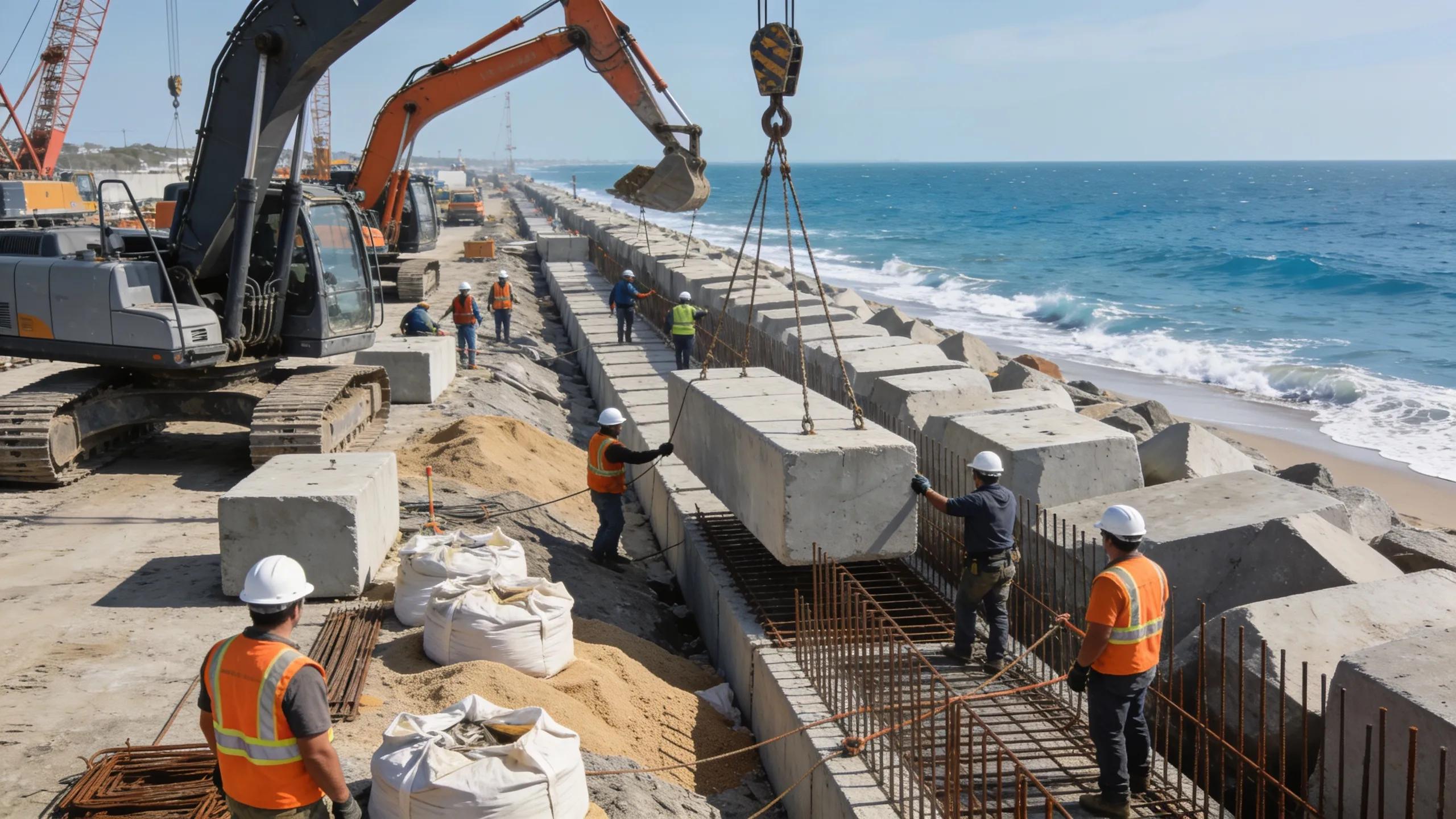
The installation process for seawalls follows a structured path to ensure effective outcomes. The steps include:
- Consultation: Discussing project goals and site assessments to identify specific needs.
- Design Planning: Developing custom designs based on client preferences and site conditions.
- Material Selection: Choosing suitable materials for construction tailored to the local environment.
- Construction: Carrying out the installation with a focus on quality workmanship and adherence to engineering standards.
- Maintenance Recommendations: Offering ongoing support and advice for seawall upkeep to maximize longevity.
How Can Property Owners Request Localized Project Quotes and Consultations?
Property owners interested in shoreline protection can reach out to LKA Dock Builder for personalized consultations. To request quotes, they should provide details about their property location, the specific protection needs they have, and any preferences for materials or designs. LKA Dock Builder’s dedicated team is ready to offer expert advice and transparent pricing, ensuring effective solutions are within reach.
Through comprehensive understanding and application of seawalls and natural barriers, property owners can make informed decisions to protect their homes from erosion effectively.