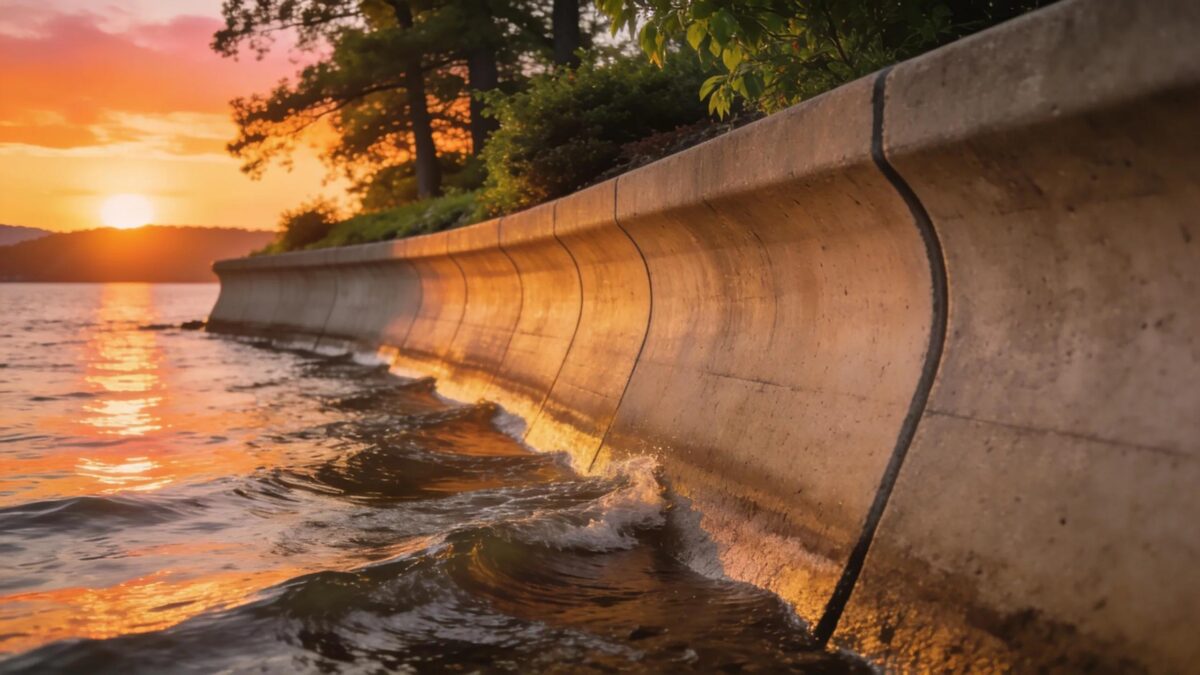
Essential Seawall Maintenance Guide for Long-Term Durability
By LKA Admin, LKA Dock Builder
Maintaining a seawall is crucial for protecting waterfront properties against erosion and storm damage. Understanding the essential maintenance steps can extend the lifespan of your seawall while ensuring optimal performance. This article will guide you through critical inspection procedures, seasonal maintenance tasks, and effective repair methods tailored for seawalls. As climate conditions fluctuate, being proactive with maintenance will help circumvent costly repairs and enhance overall durability. We will delve into how often to inspect your seawall, key maintenance activities to perform each season, and the materials that offer the best resilience against erosion, particularly relevant to the Lake Anna region.
How Often Should You Inspect Your Seawall for Optimal Maintenance?
Regular inspections are vital to preserving the integrity of your seawall. The ideal frequency for these inspections is typically once a year—generally, once in the spring. This routine engagement allows for early detection of potential issues, such as erosion or structural damage, which can save substantial costs over time.
What Are the Key Signs of Seawall Damage to Watch For?
Homeowners should monitor for visible indicators of seawall damage, including:
- Cracks or Gaps: Noticeable fissures can lead to significant structural failures.
- Erosion: Check for areas around the seawall that show signs of soil washing away.
- Rust or Corrosion: Any exposed metal components should be inspected for rust, which can compromise the wall’s integrity.
How to Perform a Comprehensive Seawall Inspection Checklist?
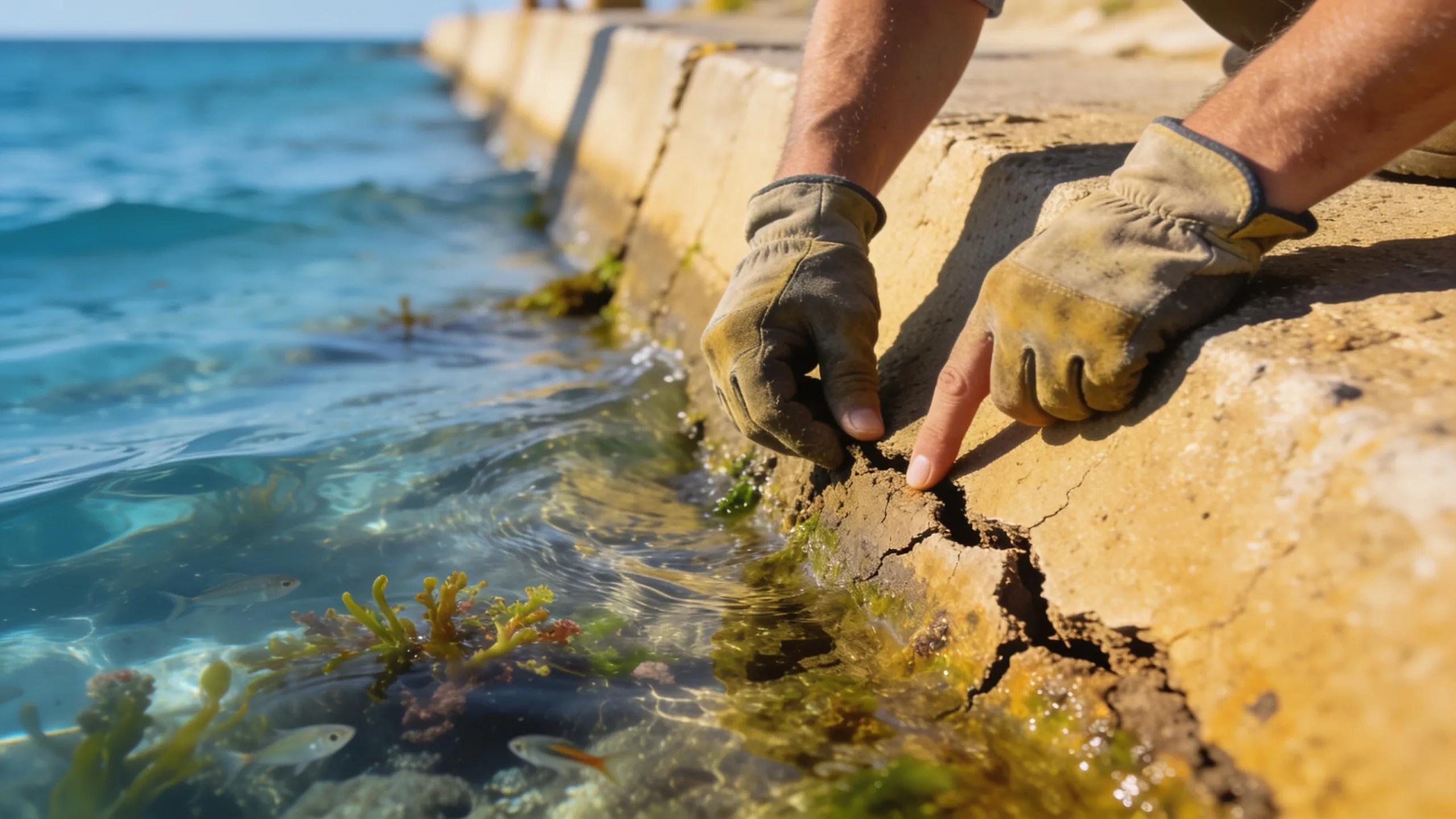
A thorough seawall inspection includes a systematic assessment of various elements. Follow this checklist:
- Materials: Check for any loose or damaged concrete blocks and replace as needed.
- Visual Inspection: Look for signs of algae growth, which could indicate moisture retention.
- Post-Inspection Actions: Document any findings for future reference.
What Are the Best Seasonal Maintenance Activities to Protect Your Seawall?
Seasonal maintenance ensures your seawall remains in top condition against changing weather conditions. Key activities should be scheduled based on the season to effectively protect the structure.
How Does Seasonal Weather Affect Seawall Integrity at Lake Anna?
Lake Anna’s climate presents unique challenges due to freeze-thaw cycles and heavy rainfall.
- Freeze-Thaw Cycles: Expansion and contraction can cause cracking in concrete.
- Heavy Rainfall: Can lead to increased erosion around the seawall, necessitating regular maintenance to fill in any washed-out areas.
Understanding these environmental challenges underscores the importance of specific maintenance measures to prevent damage from freeze-thaw cycles and excessive moisture.
Seawall Drainage and Freeze/Thaw Crack Prevention
Seawalls require drainage or weep holes through the structure to relieve excess water pressure from the landward side. Seawalls may require maintenance or reconstruction due to settling, erosion behind or beneath the structure, or freeze/thaw cracking of armor units, for example. Living on the coast: Protecting investments in shore property on the Great Lakes, 2003
What Maintenance Tasks Should Be Scheduled Each Season?
Organizing maintenance tasks by season helps ensure a comprehensive approach:
- Spring: Conduct a thorough inspection and cleanse any debris accumulation.
- Summer: Fill in any cracks and apply sealants to protect against UV exposure.
- Fall: Prepare for winter by examining drainage systems to prevent water pooling.
- Winter: Regularly check for ice damage, especially along the critical edge of the seawall.
These seasonal checks are crucial for mitigating common issues like settling, erosion, and freeze/thaw cracking that can compromise a seawall’s stability.
Seasonal Cycles and Maintenance Needs for Seawalls
Seawalls require drainage or weep holes through the structure to relieve excess water pressure from the landward side. Seawalls may require maintenance or reconstruction due to settling, erosion behind or beneath the structure, or freeze/thaw cracking of armor units, for example. The most damaging waves occur during large storms, and the seasonal cycles of lake levels are typical factors influencing a seawall failure. Living on the coast: Protecting investments in shore property on the Great Lakes, 2003
Which Repair and Reinforcement Methods Extend Seawall Lifespan Effectively?
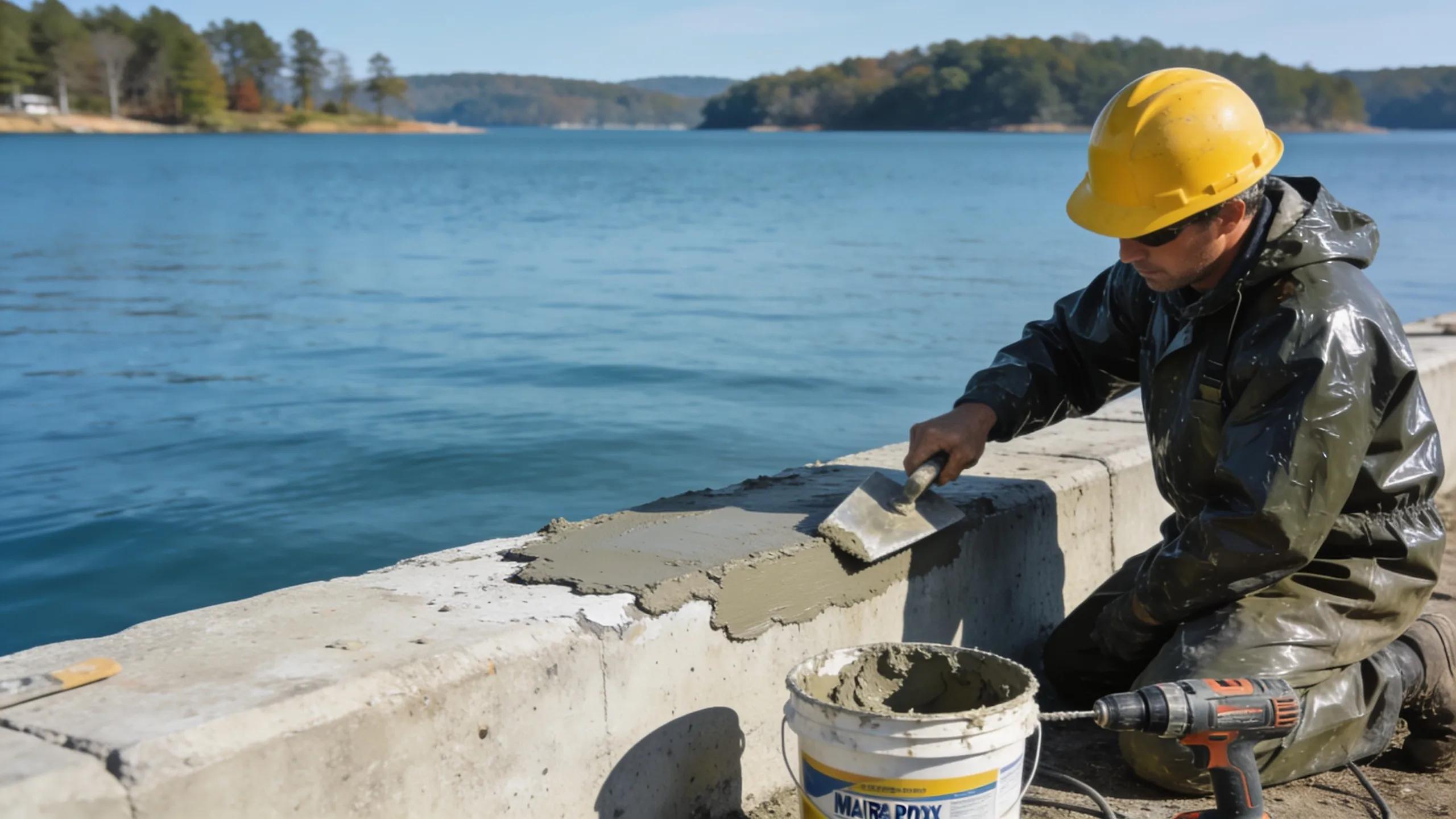
Addressing issues promptly with the right repair techniques will prolong the lifespan of your seawall. Understanding when and how to implement minor repairs is essential. For professional assessment and marine construction services, you can rely on LKA Dock Builder who specializes in seawall construction and related services.
When and How Should Minor Seawall Repairs Be Undertaken?
Minor repairs should be initiated as soon as signs of wear appear. Filling cracks and replacing damaged sections with materials specifically designed for marine applications can prevent further damage. Quick responses mitigate larger issues, saving on extensive repairs later.
What Are Professional Reinforcement Techniques Used by Experts?
Professional reinforcement techniques such as driving new anchors or installing drainage systems are vital for mitigating erosion. Such methods should be assessed by a marine construction expert to ensure they are executed correctly for maximum stability.
Which Materials Offer the Best Durability and Erosion Prevention for Lake Anna Seawalls?
Choosing the right materials is essential for seawall longevity and effectiveness in erosion control. For comprehensive support and expert advice on seawall construction and associated services, consider contacting LKA Dock Builder.
What Are the Comparative Benefits of Common Seawall Materials?
How Do Local Environmental Factors Influence Material Choice?
The local environment plays a critical role in material selection. For example:
- Weather Conditions: Coastal zones experience harsher conditions thus may prefer concrete or steel.
- Soil Type Considerations: Understanding the soil composition can help in choosing materials that will interact well with the underlying ground.
This comprehensive guide outlines essential steps and considerations for seawall maintenance in the Lake Anna area, with proper inspections, seasonal care, and suitable materials ensuring durability and protection for your waterfront property. If you need professional assessment or marine construction services, LKA Dock Builder specializes in seawall construction and related services in this region.