
Decoding Seawall Construction Estimates: A Guide for Homeowners
By LKA Admin, LKA Dock Builder
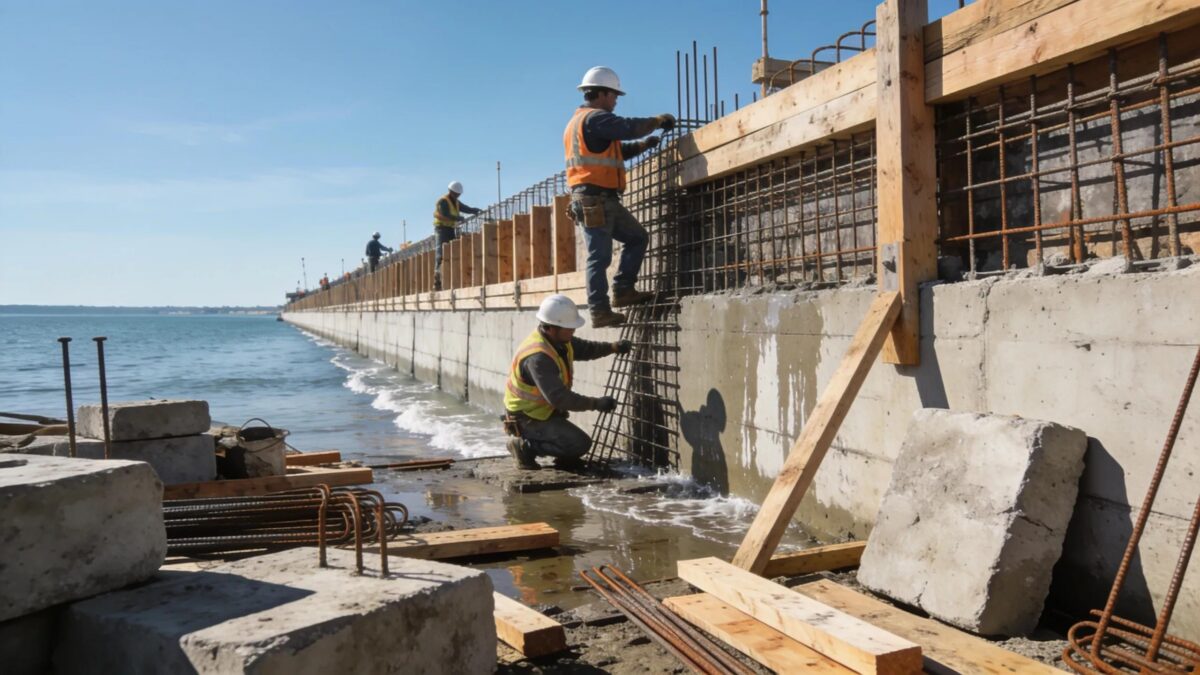
Seawall construction is a critical aspect of marine construction, particularly for protecting waterfront properties from erosion and damage caused by waves and tides. Understanding detailed estimates before starting a project helps property owners manage budgets effectively while ensuring quality outcomes. This article will delve into the various factors that influence seawall construction costs, providing valuable insights for property owners. Key aspects, including materials, labor, permits, and inspection procedures, will be thoroughly discussed. By the end, you’ll have a solid grasp of how to navigate cost estimates and make informed decisions when planning your seawall project.
Tips for Budget Management
Managing a seawall construction budget is essential for property owners, as it helps prevent unexpected costs that can derail a project. Here are some practical strategies for effective budget management:
- Consult Local Experts: Seeking advice from professionals who specialize in marine construction can provide tailored insights specific to your project’s location and requirements.
- Request Multiple Quotes: Having several estimates allows for comparison, enabling property owners to understand the market rates and choose a contractor that offers the best value.
- Consider Future Needs: When budgeting, think beyond immediate needs. Future modifications or expansions can impact overall costs, and planning for them can save money in the long run.
As you integrate these budgeting strategies, knowing the key components of a seawall construction cost estimate is crucial to making informed choices.
What Are the Key Components of a Seawall Construction Cost Estimate?
Understanding the essential components of a seawall construction cost estimate allows property owners to foresee expenses accurately. The primary factors include:
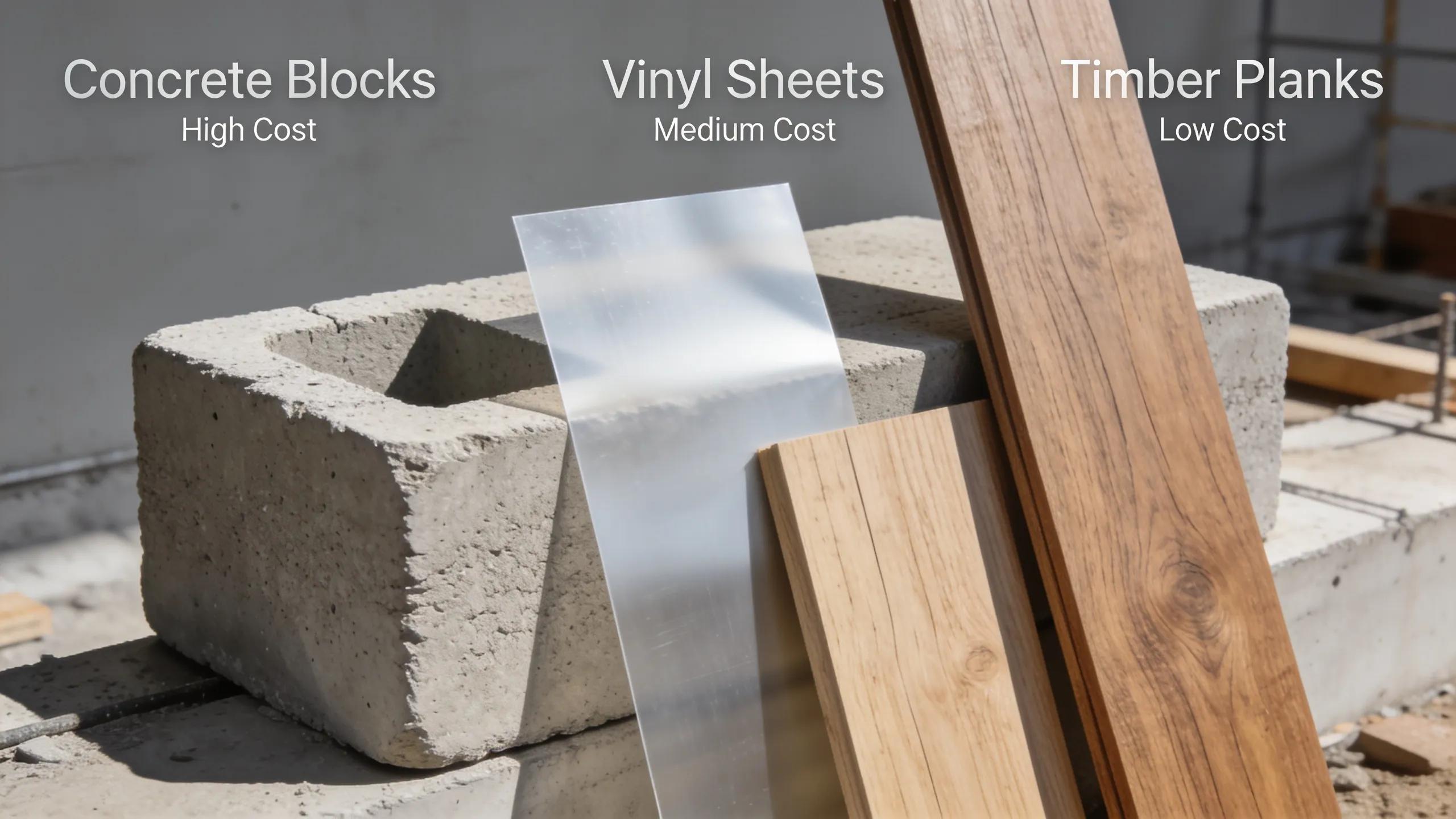
- Materials Choice: Different materials come with varying costs and durability levels, impacting the overall budget. Common materials used in seawalls include concrete, vinyl, and timber, each with distinct advantages and price points.
- Labor Costs: Skilled labor plays a significant role in seawall construction quality and cost. Hiring experienced professionals ensures that the project is completed to the required standards, though it may come at a higher price.
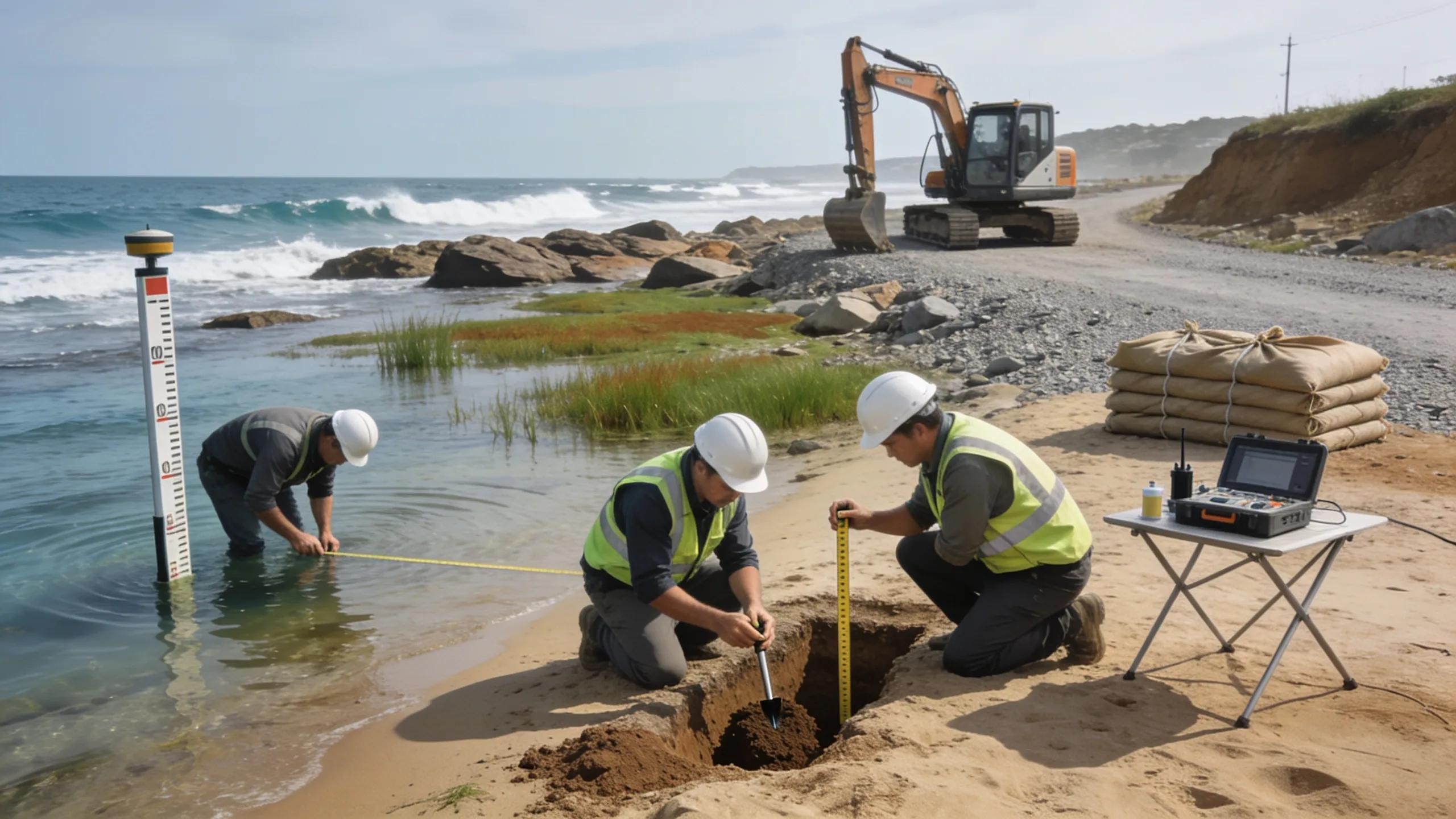
- Site Conditions: Unique site conditions, such as soil composition and water levels, can complicate construction and lead to increased costs. Proper site assessment is vital for accurate budgeting.
Gaining insight into these components prepares property owners for the next step: exploring how different materials and labor factors influence seawall costs.
Which Materials and Labor Factors Affect Seawall Costs?
The selection of materials and the quality of labor are pivotal in determining the overall cost of seawall construction. Here’s how each factor plays a role:
- Concrete: This material typically costs between $150 and $300 per linear foot, depending on the project scope and design complexity. It’s favored for its durability and strength against harsh marine conditions.
- Vinyl: Generally more affordable, vinyl seawalls range from $100 to $250 per linear foot. They are lightweight, resistant to corrosion, and require less maintenance but might not offer the same longevity as concrete.
- Timber: Timber seawalls average about $100 to $300 per linear foot. While they provide aesthetic value, they can be susceptible to rot and may require more frequent repairs.
Understanding these material and labor dynamics can significantly impact the planning process and budgeting for seawall projects. For comprehensive service and expert execution, consider consulting with LKA Dock Builder.
How Do Permits and Local Regulations Impact Pricing?
Securing necessary permits and adhering to local regulations is a crucial aspect of seawall construction. These factors can significantly influence overall pricing due to:
- Permit Types: Various permits may be required depending on the project’s location and scope. Each permit incurs associated fees that can vary widely, with costs ranging from modest amounts to substantial sums for more complex projects.
- Cost Implications: The necessity to comply with local building codes ensures that seawalls are constructed safely and effectively. This compliance may also increase overall costs as specialized inspections and documentation may be needed.
- Regulatory Variances: Pricing can differ based on regional regulations. Understanding local laws ensures all necessary permits are acquired without unexpected penalties.
By navigating these regulatory landscapes, property owners can avoid delays and manage costs more effectively.
How Does the Pre-Construction Inspection Influence Your Seawall Estimate?
Pre-construction inspection is a foundational element in determining the accuracy of seawall cost estimates. This process involves evaluating critical factors, including:
- Site Conditions Assessment: Inspectors analyze soil, water levels, and potential environmental challenges to determine the feasibility of construction and make appropriate recommendations.
- Design Complexity: A detailed examination of proposed designs helps in understanding if additional services or features might increase costs.
- Labor Costs and Permitting Requirements: Insights gained during inspections can reveal the potential for adjustments in labor and permit costs, which may arise depending on findings.
Conducting a thorough inspection allows for comprehensive estimates and helps prevent unforeseen costs related to last-minute adjustments.
What Is Involved in a Pre-Construction Seawall Inspection?
A pre-construction seawall inspection encompasses several vital steps to ensure a smooth construction process. These steps typically include:
- Evaluation of Site Conditions: Inspectors assess the physical conditions of the site, including its geology and hydrology, which can significantly influence construction methods.
- Review of Potential Design Complexities: Factors such as existing waterfront features and landscaping may require special considerations in the design phase.
- Consideration of Material Choices: Evaluating available materials that can be effectively used given the site circumstances aids in making informed decisions.
Proper preparations during the inspection phase can lead to more accurate cost estimates and a clearer picture of the project scope.
Why Is an Accurate Timeline Essential for Your Estimate?
Establishing an accurate project timeline is vital in seawall construction cost estimates. For several reasons, precise scheduling can influence budgeting:
- Effective Project Planning: A well-structured timeline facilitates the coordination of labor and materials, preventing delays that can add costs.
- Cost Management: Delays often lead to additional labor and material costs. An accurate timeline minimizes these risks by ensuring all parties are synchronized.
- Alignment of Labor and Material Availability: Timely scheduling ensures that laborers and materials are available when needed, avoiding penalties related to idle projects.
An accurate timeline ultimately contributes to a more predictable and manageable budget throughout the construction process.
How to Request and Understand a Detailed Seawall Construction Quote from LKA Dock Builder
When seeking a detailed quote for a seawall construction project, property owners should focus on specific aspects that enhance clarity and understanding. Key considerations include:
- Understanding Costs per Linear Foot: LKA Dock Builder typically provides pricing per linear foot, which helps gauge project scale and budget.
- Importance of Detailed Breakdown of Materials: Requesting a comprehensive list of materials helps ensure transparency regarding quality and suitability for the project.
- Clarifying Labor Rates and Timeline Estimates: Clear communication regarding labor costs and expected timelines aids in setting expectations and preparing the budget accordingly.
By focusing on these elements, property owners can ensure clarity and comprehensiveness in their quotes, aiding in informed decision-making.
What Information Does LKA Dock Builder Include in Their Custom Estimates?
LKA Dock Builder takes pride in delivering detailed custom estimates that encompass various critical aspects of seawall construction. Key information typically included in these estimates involves:
- Costs for Materials Used: An itemized list of material costs ensures clients understand all expenses incurred during construction.
- Labor Details: Comprehensive labor cost breakdown informs clients about the investment required in workforce skills.
- Permit Fees Summary: Information regarding any permit costs helps clients prepare for the full financial impact of their seawall project.
By providing thorough documentation, LKA Dock Builder empowers property owners to make informed and strategic decisions throughout their construction process.
How Can You Compare Estimates to Make Informed Decisions?
Evaluating different seawall construction estimates is crucial for making informed decisions. Property owners can enhance their decision-making by following these best practices:
- Requesting Multiple Quotes: Gathering several estimates allows for a comprehensive understanding of the market and competitive pricing.
- Assessing Services Included: It is essential to review what is covered within each estimate to ensure no hidden costs.
- Reviewing Previous Work and Customer Reviews: Engaging with past clients or viewing project portfolios can provide insights into the quality of services offered.
By considering these factors, property owners can ensure they choose a seawall contractor that meets both their budgetary needs and quality expectations.
What Are the Typical Timelines and Next Steps After Receiving Your Seawall Estimate?
Once property owners receive their seawall estimate, understanding the next steps can smooth the transition into the construction phase. Typical steps include:
- Initial Consultation and Design Phase Durations: Initial meetings to discuss project specifics and designs typically range from a few days to a week.
- Permitting Process Timeline: Acquiring necessary permits can vary; generally, this process takes between 2-8 weeks, depending on local regulations.
- Expected Construction Timelines: Construction itself can commence within 4-10 weeks after obtaining permits, leading to the completion of the seawall project.
These stages guide property owners through the procedural landscape after receiving estimates, ensuring a seamless transition into construction.
How Long Does It Usually Take to Finalize Seawall Construction Pricing?
Finalizing the pricing for seawall construction can take several factors into account, leading to variations in timelines. Key elements include:
- Factors that Extend Pricing Finalization: Changes in design, material availability, and site assessments can prolong the pricing process.
- Project Complexity’s Effect on Timelines: More intricate designs will require longer evaluation periods before finalizing the cost, as extensive planning is essential.
- Permitting Process Impacts: Delays or complications in obtaining permits can also extend the time needed to finalize pricing, as all elements must be aligned for accurate estimates.
Understanding these factors helps property owners anticipate the duration of the estimating process, allowing for better planning.
What Should Property Owners Expect Before Construction Begins?
Before commencing seawall construction, property owners should be prepared for several critical discussions and arrangements. Key expectations include:
- Consultation and Design Discussions: Engaging in detailed discussions about design preferences and project goals lays the groundwork for a successful build.
- Securing Necessary Permits: Property owners must ensure all permits are in place before construction can begin, as delays in this area could postpone the project.
- Preparing the Site for Construction: Necessary site preparations, including clearing debris or organizing access, are crucial for a smooth start once construction commences.
By managing these expectations, property owners can facilitate a smoother construction process and set realistic timelines for their seawall projects.