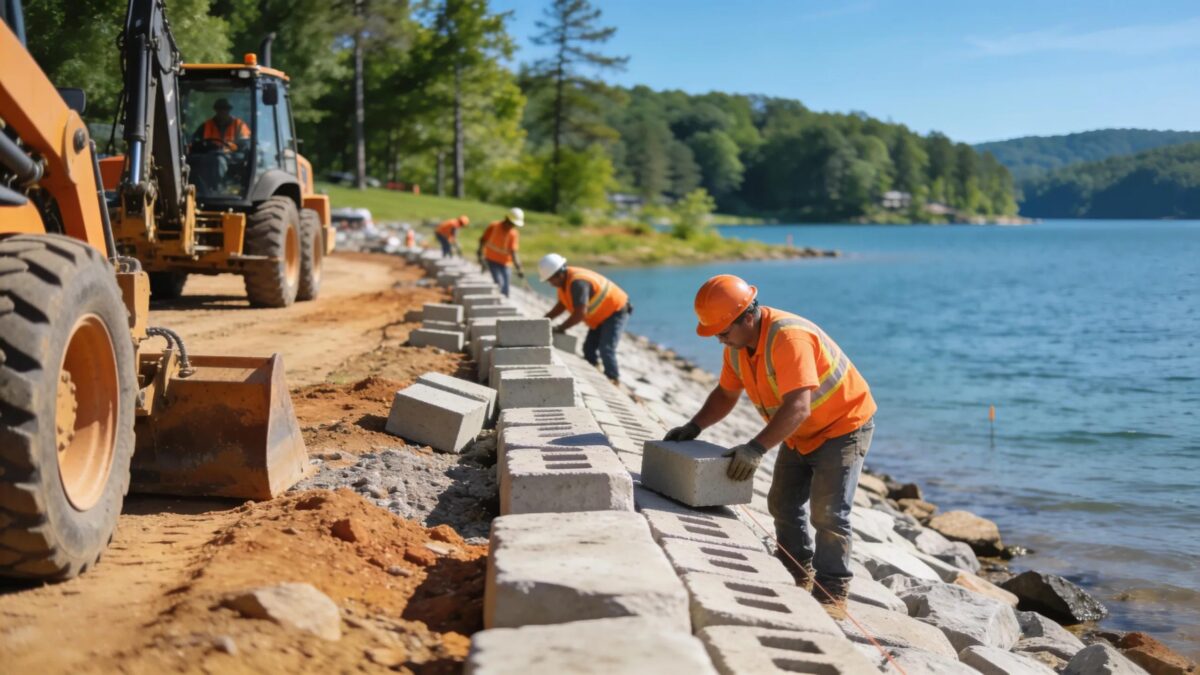
Responsible Environmental Practices in Seawall Construction
By LKA Admin, LKA Dock Builder
Constructing seawalls is essential for protecting shorelines against erosion and natural disasters, yet it brings with it several environmental concerns. This guide offers a comprehensive overview of how to address these issues responsibly during the seawall construction process. Readers will learn about local regulations, best practices for minimizing environmental impact, and eco-friendly materials that contribute to sustainable construction. Property owners in regions like Lake Anna will particularly benefit from understanding how environmental stewardship plays a crucial role in marine construction. By strategically implementing these practices, construction projects can not only achieve their objectives but also protect and preserve the local environment. We will navigate through local regulations that govern seawall construction, explore effective erosion control techniques, and discuss the importance of ongoing environmental monitoring after project completion.
What Local Environmental Regulations Govern Seawall Construction at Lake Anna?
Local regulations are pivotal in ensuring seawall construction adheres to environmental standards necessary for preserving natural habitats. These guidelines require obtaining the necessary permits that assess potential impacts and ensure compliance with established laws. LKA Dock Builder recognizes the importance of following these guidelines, reflecting their commitment to responsible construction practices while serving property owners around Lake Anna and neighboring counties.
Which permits and compliance measures are required for seawall projects?
Seawall projects require several permits to ensure compliance with environmental regulations. In Lake Anna, the primary types of permits include shoreline construction permits, environmental impact assessments, and sometimes local zoning permits. LKA Dock Builder meticulously navigates the permitting process by coordinating with state and local authorities, ensuring that all legal requirements are satisfied before commencing construction. These measures guarantee that the environmental integrity of the waterfront is maintained throughout the building process. To understand more about the services that ensure compliance, property owners can explore specific offerings.
Understanding the complexities of environmental planning and permitting is critical for any seawall project, as highlighted by case studies in urban settings.
Environmental Planning & Permitting for Seawall Projects: Seattle Case Study
ABSTRACT: AbstractCreating and implementing effective tools for navigating the regulatory process is becoming increasingly important to the success of simple to complex projects, particularly those in urban settings. To guide a project through the planning and permitting processes, a skilled and coordinated team equipped with a practical and easily implementable toolkit is required. Tools must be integrated into the design development phase of a project and throughout the permitting phase to adequately meet complex regulatory requirements and begin the project’s construction in a timely and cost-effective manner. This article discusses the importance of defining a project, effective project communication, developing an Environmental Approvals Approach (EAA), and proper project scheduling to improve the environmental planning and permitting processes. The City of Seattle’s Elliott Bay Seawall Project is presented as a case study of these qualities.Environmental reviews and case studies: an interdisciplinary approach to environmental planning and permitting: city of Seattle Elliott Bay seawall project case study, 2015
How does LKA Dock Builder ensure adherence to environmental laws?
LKA Dock Builder demonstrates adherence to environmental laws through a deep understanding of applicable regulations and a commitment to using eco-friendly practices. Their approach combines expertise in local environmental regulations with the use of sustainable materials, effectively minimizing the impact of construction activities. They emphasize compliance during the planning stages, ensuring that the entire process—from design considerations to the final inspection—meets environmental protection standards. This proactive strategy not only secures necessary permits but also promotes the preservation of aquatic habitats.
What Are the Best Environmental Practices for Minimizing Impact During Seawall Installation?
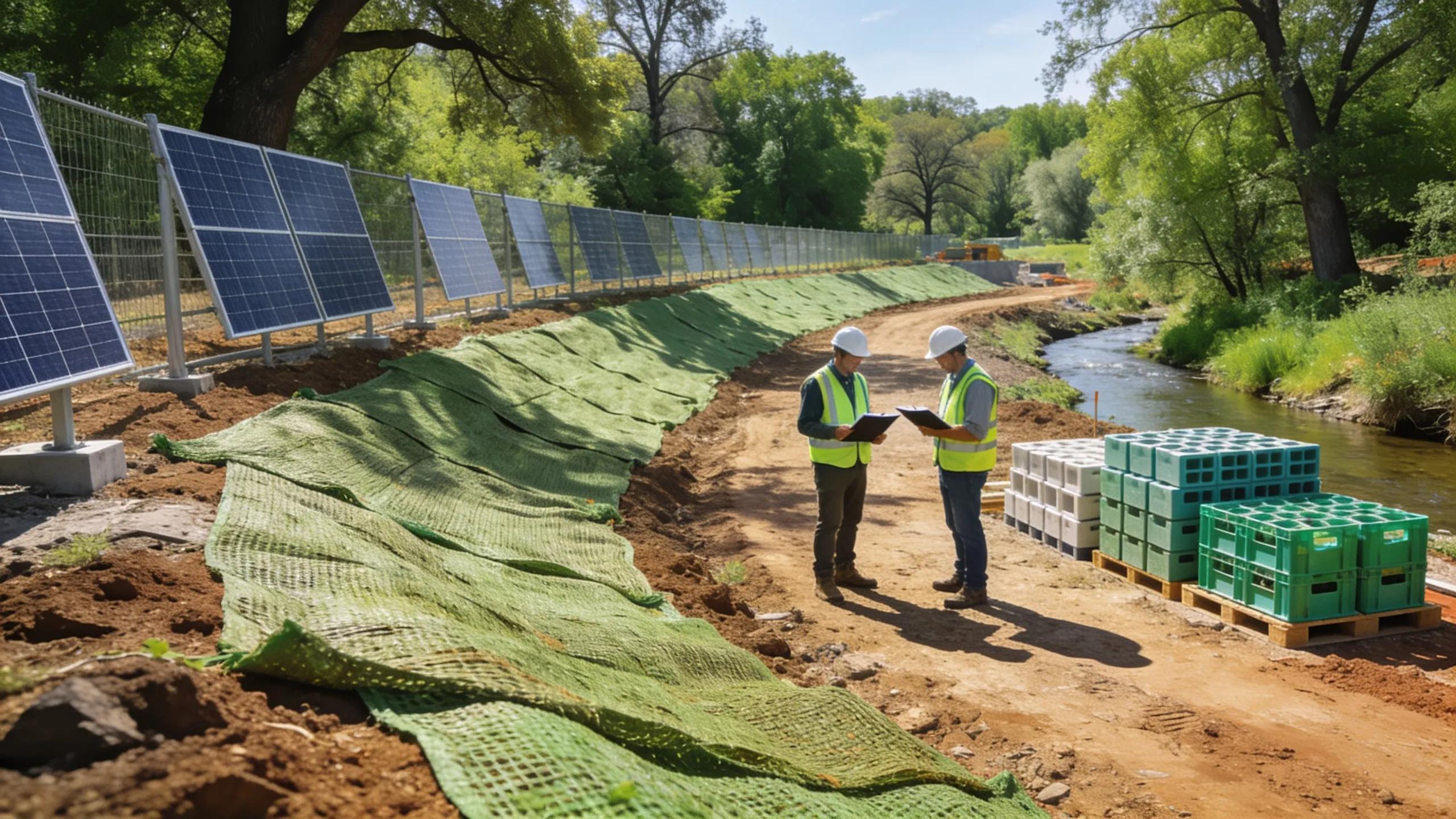
Implementing best environmental practices during seawall installation is crucial to mitigate ecological impacts. This includes thorough site assessments before construction begins and engaging with environmental experts to devise appropriate strategies. Adopting these measures maximizes the sustainability of seawall projects while ensuring the preservation of local ecosystems. Understanding the full scope of sustainability practices is key for any marine construction project.
How are erosion control and sediment prevention implemented effectively?
Effective erosion control and sediment prevention measures are vital during seawall construction. Techniques such as using silt fences, biodegradable erosion control blankets, and ensuring proper grading help safeguard the project area. LKA Dock Builder utilizes these strategies to prevent sediment displacement into nearby waters, maintaining water quality and protecting aquatic life from harmful disturbances. By prioritizing sediment control, they uphold both regulatory compliance and ecological stewardship.
What construction methods reduce disturbance to aquatic habitats?
Minimizing ecological disturbance involves adopting innovative construction methods that limit the impact on aquatic habitats. LKA Dock Builder employs techniques such as floating cranes and barge transport, which reduce the need for heavy machinery on-site and further protect sensitive areas from physical disruption. These methods enhance operational efficiency while preserving the integrity of local ecosystems, underscoring LKA’s dedication to environmentally responsible construction.
Which Eco-Friendly Materials and Techniques Are Used to Enhance Seawall Durability and Sustainability?
Utilizing eco-friendly materials and techniques is essential for enhancing the durability and sustainability of seawalls. Sustainable construction practices not only meet regulatory expectations but also contribute to long-term coastal protection. LKA Dock Builder focuses on sourcing materials that offer high durability while minimizing environmental impact.
What types of environmentally friendly materials does LKA Dock Builder use?
LKA Dock Builder incorporates several environmentally friendly materials into their seawall constructions, including recycled concrete, natural stone, and sustainable timber. These materials are sourced responsibly to ensure minimal environmental disruption while providing robust solutions for erosion control. By choosing recycled and sustainably harvested materials, LKA enhances the longevity and effectiveness of their seawalls, supporting both structural integrity and ecological balance.
How do these materials contribute to long-term shoreline protection?
The use of eco-friendly materials significantly contributes to long-term shoreline protection by enhancing the resilience of seawalls against extreme weather conditions and erosion. Sustainable materials like recycled concrete and natural stone are designed to withstand the challenges posed by water movement and environmental stressors. Furthermore, these materials align with LKA Dock Builder’s commitment to environmental stewardship, ensuring that constructed seawalls serve not only as protective barriers but also as part of a sustainable coastal ecosystem.
How Is Post-Construction Environmental Monitoring Conducted to Ensure Long-Term Shoreline Stability?
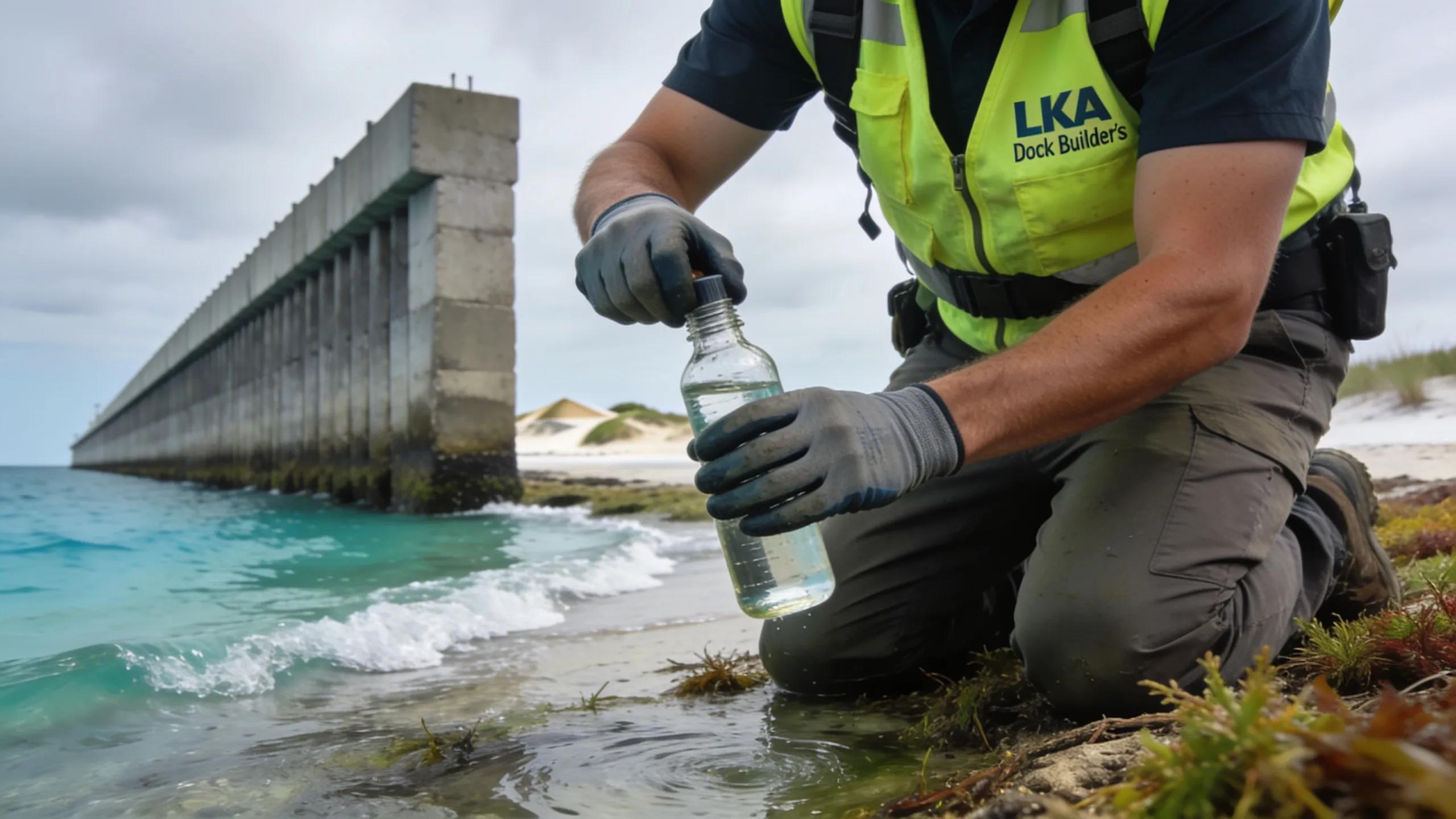
Post-construction environmental monitoring is crucial for assessing and maintaining the health of shorelines following seawall construction. This ongoing evaluation ensures that the ecological balance is preserved and that any potential adverse impacts are identified and mitigated.
What monitoring processes track ecological impact after construction?
To track ecological impacts effectively, LKA Dock Builder implements comprehensive monitoring processes that involve regular site assessments and water quality testing. These evaluations help identify any shifts in the local ecosystem, ensuring immediate corrective measures can be taken if needed. By maintaining rigorous monitoring protocols, LKA safeguards both the constructed seawall and the surrounding environment, promoting resilience against future environmental challenges.
How does maintenance support continued erosion control and habitat preservation?
Ongoing maintenance is key to supporting erosion control and habitat preservation post-construction. LKA Dock Builder provides continuous support through routine inspections and necessary repairs, ensuring that seawalls function optimally over time. This proactive approach prevents long-term degradation of both the structure and surrounding habitats, demonstrating LKA’s commitment to maintaining the integrity of shorelines and the ecosystems they protect. By prioritizing maintenance, they reinforce the durability of their constructions and their roles in environmental conservation.