Minimizing Environmental Impact in Seawall Construction
By LKA Admin, LKA Dock Builder
Seawall construction plays a critical role in shoreline protection and minimizing erosion for waterfront properties. However, it’s vital to balance these developments with environmental stewardship to protect local ecosystems and water quality. This article explores essential steps for minimizing the environmental impact of seawall construction, including environmental assessments, alternative solutions, sustainable materials, and best management practices. We will also look into how LKA Dock Builder, a specialized marine construction company, addresses these challenges in its projects around Lake Anna and neighboring regions.
Environmental Assessment
Environmental assessments are essential to understand the potential impacts of seawall construction on local ecosystems. Before any construction begins, conducting area-specific assessments allows for a clear evaluation of existing natural habitats and aquatic species. This proactive step ensures that potential disturbances to wildlife and water quality are identified early in the process. Additionally, consulting with environmental experts helps to devise effective strategies to minimize adverse effects during construction.
Alternative Solutions
Exploring alternative solutions is crucial for reducing the environmental footprint of seawall projects. Some effective options include:
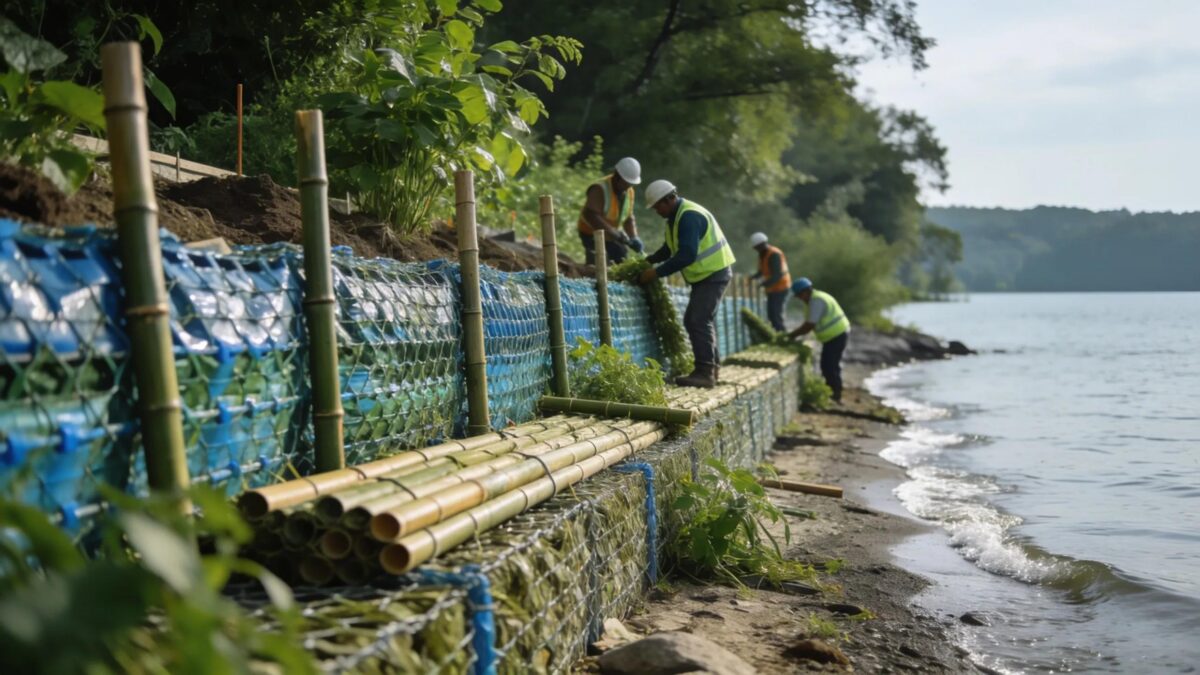
- Living Shorelines: Utilizing natural elements to protect shorelines and provide habitat for marine life.
- Use of Natural Materials: Implementing materials that blend with the local environment and support ecosystem health.
- Supporting Local Flora and Fauna: Designing structures that enhance biodiversity instead of merely focusing on erosion control.
Adopting these alternative approaches can lead to more sustainable shoreline management strategies that benefit both property owners and the environment.
Material Selection
The selection of materials plays a vital role in the environmental impact of seawall construction. Eco-friendly material options, such as natural stone, recycled materials, and marine-grade steel, should be prioritized. Key sustainability considerations include the durability of materials, potential leaching into water bodies, and their overall lifecycle impact. By utilizing environmentally responsible materials, construction can better align with green building practices.
Best Management Practices (BMPs)
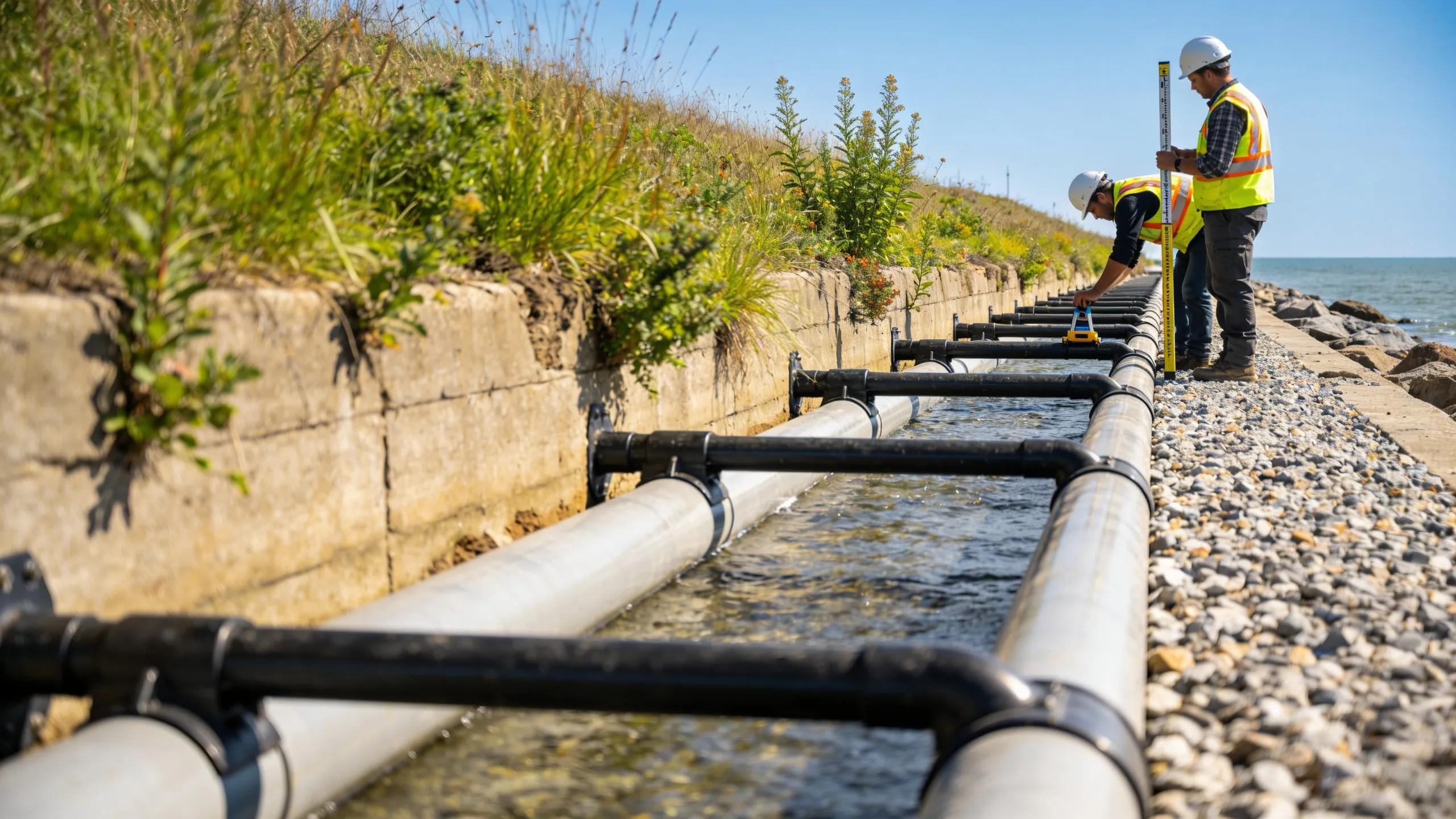
Integrating best management practices (BMPs) into seawall construction is essential for reducing ecological disruption. These practices can include:
- Construction Timing Considerations: Scheduling work during off-peak seasons for local wildlife.
- Design Strategies to Reduce Shading: Ensuring structures do not block sunlight from aquatic plant life.
- Effective Drainage Solutions: Implementing systems that manage water flow and prevent sedimentation.
By adhering to BMPs, contractors can ensure that construction activities are conducted with minimal interference to the surrounding environment.
Erosion Control Measures
Erosion control measures are critical in maintaining ecosystem integrity during seawall installation. Effective strategies include:
- Planting Native Vegetation: Establishing plant life that stabilizes soil and provides habitat for wildlife.
- Maintaining Ecosystem Health: Monitoring local conditions to ensure that construction practices do not lead to downstream ecological harm.
- Responsible Development Strategies: Crafting construction plans that minimize disruption to the natural environment.
These erosion control measures emphasize the importance of thoughtful construction practices that support ecosystem resilience.
Regular Maintenance
Regular maintenance of seawalls is vital for ensuring their longevity and functionality. Proper attention to seawalls prevents larger environmental issues that stem from neglect. Key aspects of effective seawall maintenance include:
- Establishing Maintenance Schedules: Creating a regular timetable for inspections and repairs.
- Identifying Issues Promptly: Monitoring seawalls for signs of wear or degradation.
- Extending Seawall Lifespan: Implementing proactive measures to enhance the durability of the structure.
By conducting routine maintenance, property owners can prolong the life of their seawalls while ensuring continued protection for the surrounding environment.
How Does Seawall Construction Affect Local Aquatic Habitats?
Seawall construction can significantly affect local aquatic habitats, primarily through altered water flow and habitat disruption for marine species. During construction, activities such as excavation and material placement can temporarily affect water quality and organism mobility. Effective mitigation strategies to minimize these impacts may involve sediment control measures and seasonal construction restrictions. It is crucial to develop construction methods that safeguard aquatic habitats while still accomplishing protective shoreline measures.
What Are the Key Environmental Risks During Seawall Building?
There are several key environmental risks associated with seawall building, including:
- Impact on Aquatic Habitats: Disruption to local marine ecosystems during construction can have lasting effects.
- Regulatory Compliance: Failing to adhere to environmental regulations can result in legal ramifications and project delays.
- Importance of Environmental Assessments: Skipping thorough assessments risks overlooking critical habitat considerations.
Addressing these environmental concerns is essential for responsible seawall construction that balances property protection with ecological integrity.
How Does LKA Dock Builder Address These Environmental Challenges?
LKA Dock Builder is committed to sustainable practices in seawall construction. To address environmental challenges, they emphasize the importance of comprehensive environmental assessments and the incorporation of best management practices. Their approach also emphasizes using sustainable materials that align with the principles of environmental stewardship. By adopting these methods, LKA Dock Builder ensures that projects minimize disturbances to local ecosystems.
Which Sustainable Materials and Design Techniques Are Used in Eco Friendly Seawalls?
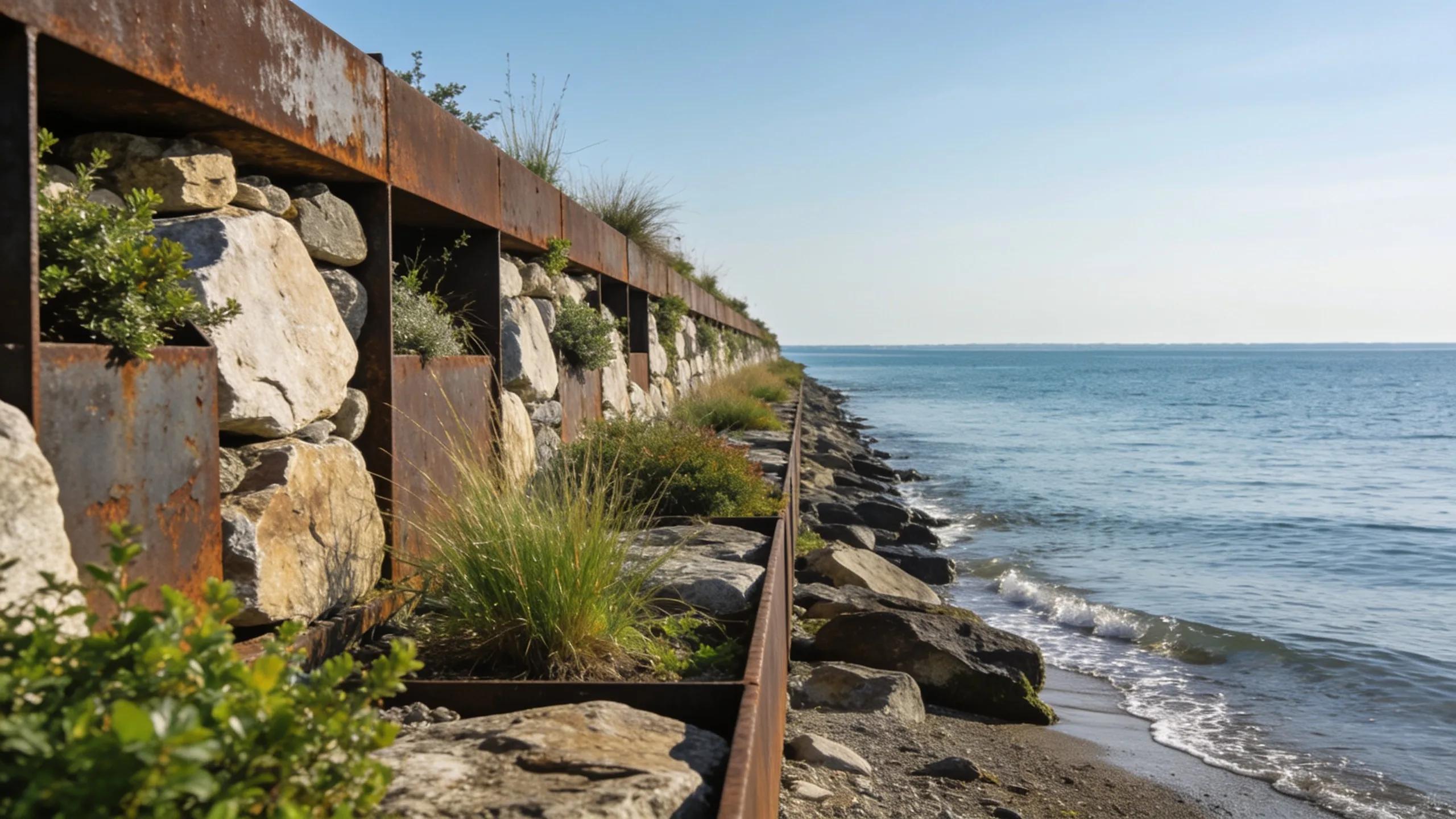
Various sustainable materials and design techniques are integral to constructing eco-friendly seawalls. These include:
- Natural Materials Selection: Utilizing locally sourced stones and organic materials that complement the surrounding environment.
- Benefits of Living Shorelines: Incorporating vegetation into designs to stabilize shorelines while promoting biodiversity.
- Durability of Eco-Friendly Materials: Ensuring that all selected materials provide long-term solutions without negative environmental impacts.
The integration of sustainable practices in seawall design not only enhances the structural effectiveness but also supports ecological health.
What Permitting and Regulatory Steps Ensure Environmentally Responsible Seawall Projects?
Navigating the necessary permits and regulations is a fundamental step towards ensuring environmentally responsible seawall projects. Common requirements include:
- Types of Permits Required: Identifying local and state permits that may be needed for construction.
- Application Process: Understanding the steps involved in obtaining the necessary permits.
- Compliance Standards: Adhering to environmental regulations designed to protect aquatic habitats and water quality.
By following these regulatory steps, contractors can ensure that their seawall projects align with environmental protection standards.
How Does LKA Dock Builder Facilitate Permitting and Environmental Assessments?
LKA Dock Builder plays a pivotal role in helping clients navigate permitting processes and environmental assessments. Their expertise includes assisting in permit applications, conducting detailed environmental impact assessments, and consulting with local authorities to streamline project approvals. By providing this support, LKA Dock Builder enhances the likelihood of successful project outcomes that prioritize both construction needs and environmental considerations.
How Are Environmental Impact Mitigation and Marine Habitat Preservation Achieved During Construction?
Effective environmental impact mitigation is essential in preserving marine habitats during construction. Strategies employed typically include:
- Best Practices for Marine Habitat Preservation: Implementing construction methods that minimize disruption to existing aquatic ecosystems.
- Integrating Sustainable Techniques: Utilizing designs that are environmentally friendly and promote biodiversity.
- Monitoring and Assessment Strategies: Regularly evaluating construction impacts to ensure compliance with ecological standards.
These measures reflect a dedication to maintaining the balance between development and environmental health.
What Best Practices Reduce Disturbance to Aquatic Life During Seawall Installation?
To effectively reduce disturbances to aquatic life, several best practices can be adopted during seawall installation:
- Timing of Construction: Scheduling work to avoid sensitive seasons for local wildlife.
- Eco-Friendly Material Use: Selecting materials that have less impact on marine environments.
- Monitoring Ecological Impact: Implementing ongoing assessments to gauge effects on nearby aquatic life.
By employing these best practices, construction can proceed with an eye towards protecting local ecosystems while achieving necessary shoreline protection.