
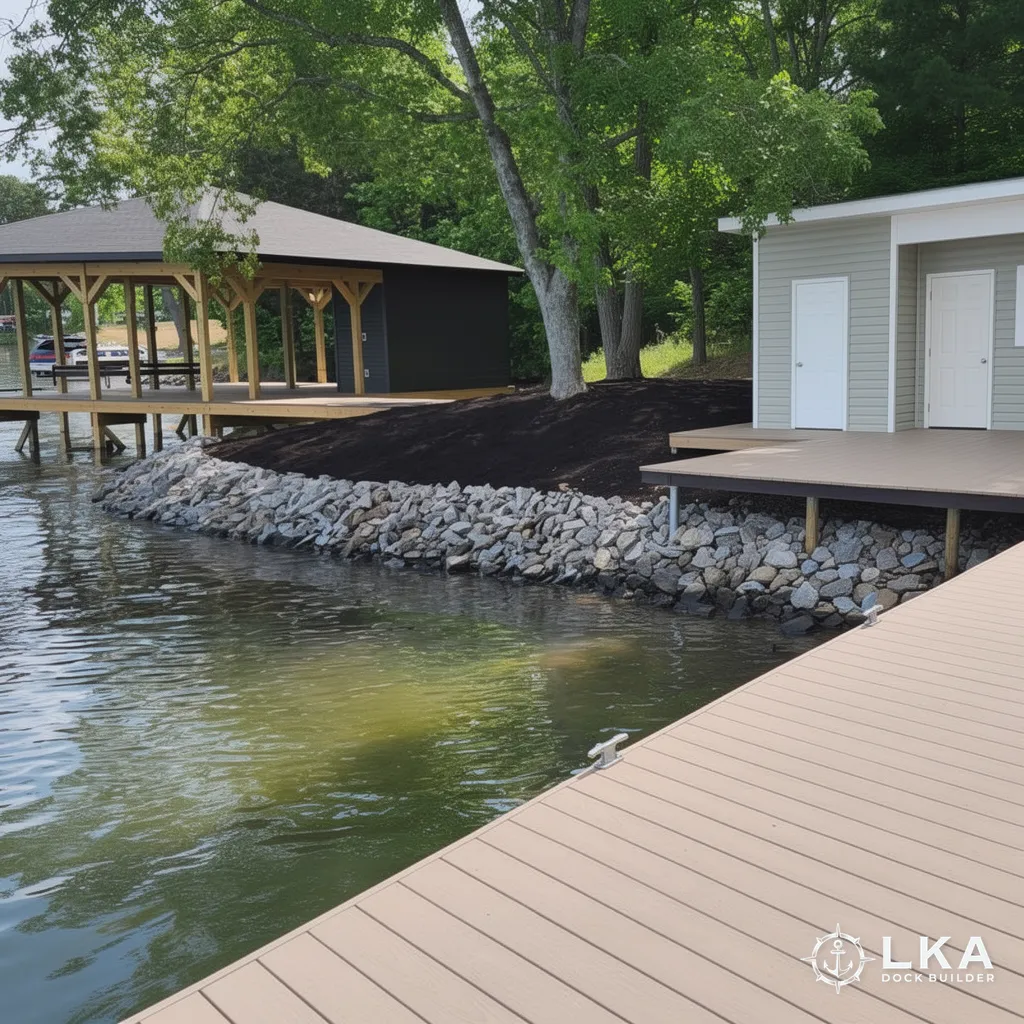
How to Apply for Dock Permits in Lake Anna, VA — Without the Headaches
LKA Dock Builder in Mineral, VA, handles the dock permit process for clients, managing paperwork and local regulatory requirements from start to finish. Contact LKA Dock Builder directly to begin your application, and their team coordinates submission details, ensuring compliance with Virginia waterway construction standards efficiently.
Applicants must first check state Department of Natural Resources rules, then county, city, and HOA regulations before submitting a permit application with drawings. LKA Dock Builder, based in Mineral, VA, guides clients through this multi-step approval process to simplify securing a valid dock permit.
Dock permit approval in Lake Anna requires What You Need to Know About Virginia Dock Permits, Dominion Energy shoreline guidelines, and Spotsylvania, Orange, or Louisa County zoning rules before submitting plans. LKA Dock Builder handles site assessment, application paperwork, and agency coordination for waterfront homeowners, reducing rejection risk and speeding approval for new construction, repairs, or replacements.
Key Takeaways
Check your state and local dock permit requirements before beginning any construction project.
Submit a complete permit application with detailed drawings and project specifications to your Public Works Director.
Apply online for permits through your city’s official portal for faster processing and documentation.
LKA Dock Builder in Mineral, VA provides professional guidance for navigating local permit requirements.
Check your state and local dock permit requirements before beginning any construction project.
Submit a complete permit application with detailed drawings and project specifications to your Public Works Director.
Apply online for permits through your city’s official portal for faster processing and documentation.
LKA Dock Builder in Mineral, VA provides professional guidance for navigating local permit requirements.
What Should You Prepare Before Applying?
Preparation determines whether a dock permit application moves through review smoothly or stalls for weeks. Skipping a step often means resubmitted paperwork, added fees, or a rejected application that pushes a build season into next year. Waterfront homeowners who prepare thoroughly avoid most of these delays before a single form gets filed.
Three tasks come before any paperwork touches a reviewer’s desk:
Define the dock’s purpose and features. Decide how the dock will be used — fishing, boat storage, swimming access — and which features matter, such as a boat elevator or covered slip. Reviewers need this detail to confirm the design matches permitted uses.
Consult a builder familiar with the local waterway. A dock builder who knows the lake’s shoreline conditions can resolve material and design questions before submission, reducing the risk of a plan getting flagged.
Confirm county, city, and HOA rules. State agencies aren’t the only authority; local governments and homeowner associations frequently require their own permit even when the state doesn’t.
Define the dock’s purpose and features. Decide how the dock will be used — fishing, boat storage, swimming access — and which features matter, such as a boat elevator or covered slip. Reviewers need this detail to confirm the design matches permitted uses.
Consult a builder familiar with the local waterway. A dock builder who knows the lake’s shoreline conditions can resolve material and design questions before submission, reducing the risk of a plan getting flagged.
Confirm county, city, and HOA rules. State agencies aren’t the only authority; local governments and homeowner associations frequently require their own permit even when the state doesn’t.
Do HOA rules matter if the state doesn’t require a permit?
Yes. A dock can meet every state requirement and still violate a county ordinance or HOA covenant. Checking local and community regulations early prevents a compliant state application from getting rejected at the local level.
Gathering these details before applying keeps the review process shorter and the outcome predictable.
How Do You Complete the Permit Application?
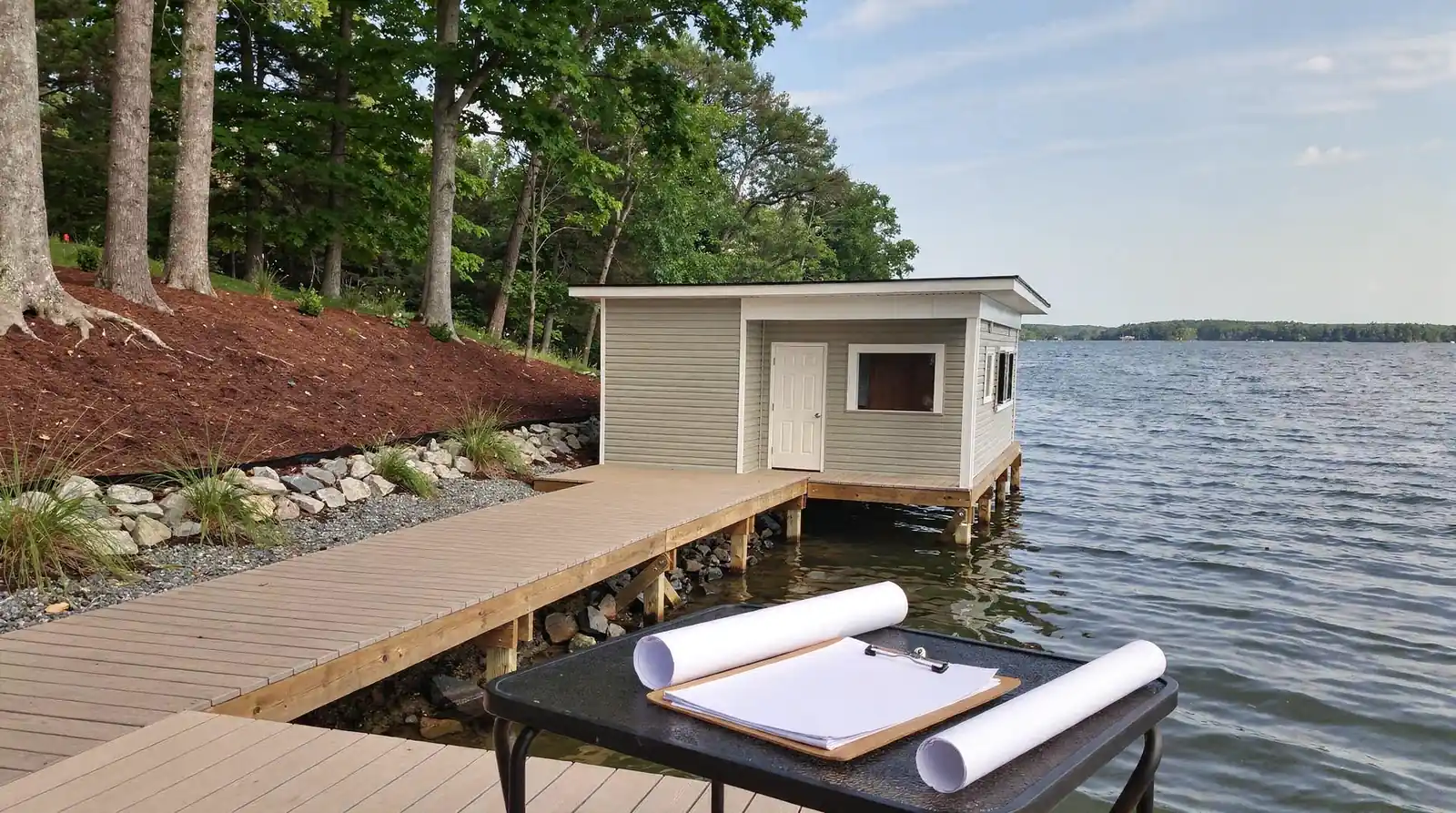
Completing a dock permit application means assembling drawings. Project details thorough enough for reviewers to confirm the work meets local criteria. Missing information stalls approval and pushes a waterfront project past its intended start date. Property owners who understand how to apply for dock permits avoid the back-and-forth delays that frustrate first-time applicants.
The submission itself follows a logical sequence rather than a single form drop-off. Property owners should expect the following steps:
Gather site plans and construction drawings showing the proposed structure’s placement.
Include enough project detail for reviewers to judge compliance with local shoreline criteria.
Submit the complete package to the appropriate permitting office.
Wait for official issuance before scheduling any construction activity.
Gather site plans and construction drawings showing the proposed structure’s placement.
Include enough project detail for reviewers to judge compliance with local shoreline criteria.
Submit the complete package to the appropriate permitting office.
Wait for official issuance before scheduling any construction activity.
That last step trips up many homeowners. A polished application does not authorize a single shovel of dirt to move. Local rules are explicit: no work may proceed until the permit is officially issued, regardless of how complete or promising the paperwork looks.
What Happens After the Permit Is Approved?
Approval opens the door to construction scheduling, but the transition should not be handled alone. Once a design and timeline are finalized, an experienced builder guides the homeowner through the remaining permitting steps and moves straight into scheduling.
LKA Dock Builder, based in Mineral, VA, brings direct familiarity with Lake Anna shoreline permitting conditions to every project. The team works closely with clients to Dock Construction Services in Lake Anna Explained, boat lifts, and related marine structures across the surrounding counties, reducing the guesswork for homeowners navigating the process for the first time.
What Mistakes Delay or Reject Your Permit?
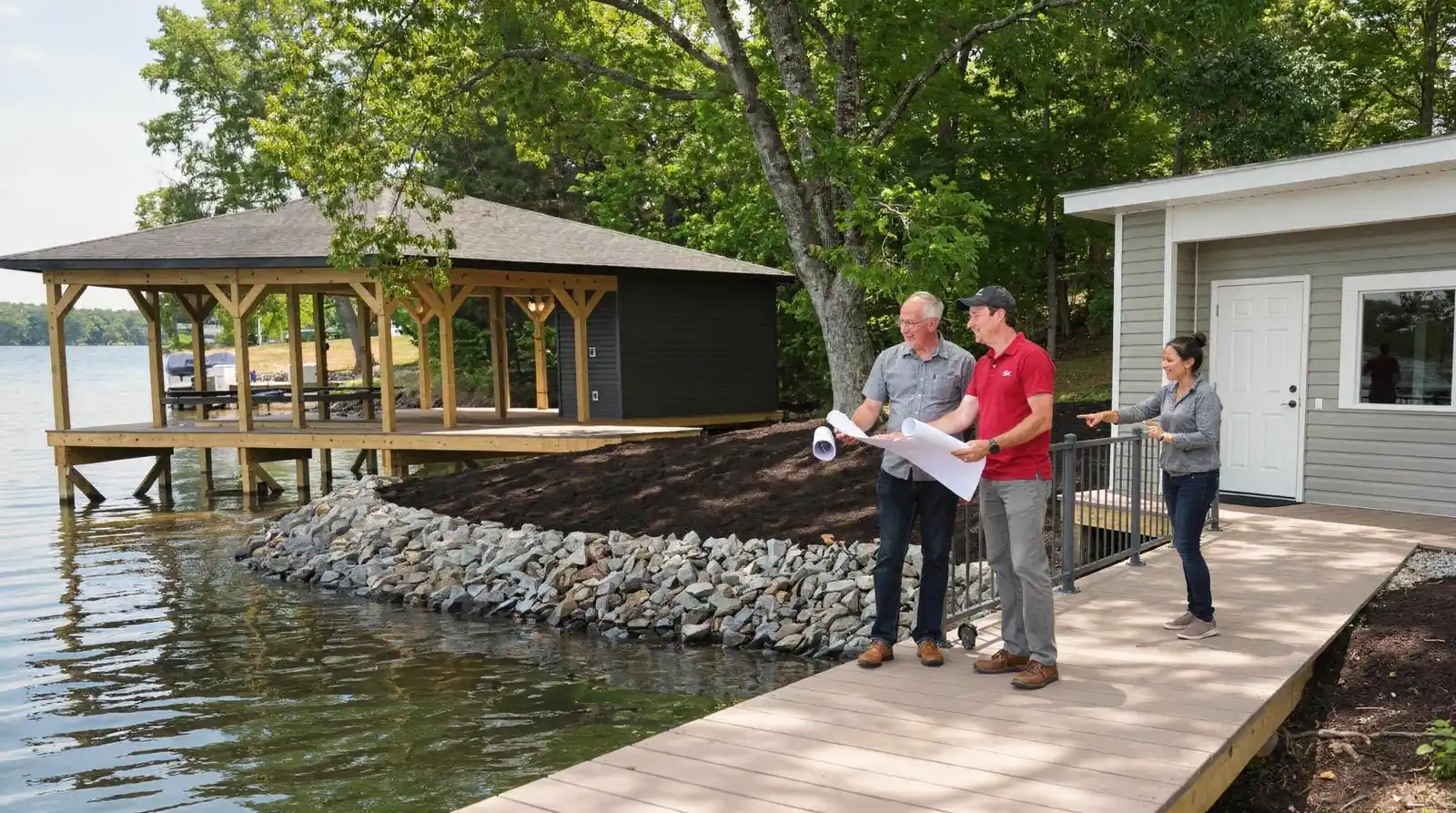
Unexpected costs and gaps in local compliance cause the majority of stalled dock applications. Waterfront owners often submit plans without confirming size limits or setback rules, and reviewers send those plans right back. Others underestimate inspection and permit fees, then scramble mid-project when budgets fall short.
Why do dock permits get rejected?
Applications frequently miss regulatory limits on dock length or how far a structure extends into the water. Local boards reject plans that ignore these boundaries, forcing owners to redesign and resubmit. That delay costs weeks, sometimes months, of lost building season.
What should property owners confirm before applying?
Owners should confirm four things before learning how to apply for dock permits: permit fees, inspection costs, application procedures, and local regulations. Skipping any one of these creates gaps that reviewers flag immediately.
Common triggers for rejection include:
Ignoring dock length or extension limits set by local authorities
Underestimating total permit and inspection fees
Submitting incomplete application procedures
Overlooking county-specific regulations beyond state rules
Ignoring dock length or extension limits set by local authorities
Underestimating total permit and inspection fees
Submitting incomplete application procedures
Overlooking county-specific regulations beyond state rules
Careful upfront review of these four areas keeps projects moving and budgets intact.
Securing dock permits requires attention to detail and adherence to local regulations. The process becomes manageable when you understand each step and prepare your documentation thoroughly. By working with experienced professionals who know Lake Anna’s specific requirements, you navigate the approval process with confidence. Proper permitting protects your investment, ensures compliance, and establishes the foundation for a dock that serves your waterfront needs for years to come.
FAQ
What should you check before applying for a dock permit?
Check Virginia Department of Environmental Quality regulations, Dominion Energy shoreline guidelines, and county zoning rules in Spotsylvania, Orange, or Louisa before submitting plans. Local rules apply alongside state requirements.
Does an HOA permit matter if the state doesn’t require one?
Yes, a dock can meet every state requirement and still violate a county ordinance or HOA covenant, so checking local and community regulations early prevents rejection at the local level.
What help does LKA Dock Builder provide with dock permits?
LKA Dock Builder, based in Mineral, VA, handles site assessment, application paperwork, and agency coordination for waterfront homeowners, reducing rejection risk and speeding approval for new construction, repairs, or replacements.