Virginia Dock Permit Process: Your Waterfront Compliance Guide
Navigating the complexities of obtaining a dock permit in Virginia can be daunting for property owners. Understanding the requirements, application process, and local regulations is crucial for ensuring compliance and avoiding costly delays. This article provides a comprehensive overview of the Virginia dock permit process, focusing on essential requirements, step-by-step application guidance, and local county regulations that may impact your project. By addressing common questions and concerns, we aim to equip property owners with the knowledge needed to successfully navigate the permitting landscape. Key sections include the necessary documentation, typical fees and timelines, and how local regulations differ across counties like Spotsylvania, Orange, and Louisa.
What Are the Key Requirements for Obtaining a Virginia Dock Permit?
To obtain a Virginia dock permit, property owners must adhere to specific requirements that ensure compliance with local and state regulations. The primary focus is on gathering the necessary documentation and understanding the application procedures. Compliance with local zoning regulations is crucial, as it can significantly impact the approval process.
Which Documents and Approvals Are Needed for Virginia Dock Permits?
The essential documents required for a Virginia dock permit include:
- Site Plans: Detailed drawings showing the proposed dock’s location and dimensions.
- Environmental Impact Assessment: An evaluation of how the proposed construction will affect local ecosystems.
- Proof of Property Ownership: Documentation verifying that the applicant owns the property where the dock will be built.
- Application Forms: Completed forms that provide necessary information about the project.
Approval authorities involved in the process typically include local governing bodies, the Virginia Department of Environmental Quality, and the U.S. Army Corps of Engineers. Understanding these requirements can streamline the application process and increase the likelihood of approval.
What Are the Typical Fees and Timelines Involved in the Permit Process?
The fees associated with obtaining a dock permit in Virginia can vary based on several factors, including the complexity of the project and the specific county regulations. Typical fees may range from $100 to $300, depending on the required assessments and permits.
The timeline for the permit process can also vary, with most applications taking between 8 to 12 weeks for approval. Factors that may affect the duration include the completeness of the application, the need for additional documentation, and the workload of the approving authorities. Understanding these timelines can help property owners plan their projects more effectively.
How Does the Virginia Dock Permit Application Process Work Step-by-Step?
The application process for a Virginia dock permit involves several critical steps that must be followed to ensure a complete submission.
What Are the Essential Steps to Submit a Complete Dock Permit Application?
- Gather Necessary Documentation: Collect all required documents, including site plans and environmental assessments.
- Fill Out Application Forms: Complete the necessary forms accurately, ensuring all information is correct.
- Submit Applications: Submit the application along with the required documentation to the appropriate local governing body.
- Track Application Status: Maintain communication with the authorities to track the status of your application and respond to any requests for additional information.
Following these steps can help ensure a smoother application process and reduce the likelihood of delays.
How Can Property Owners Track and Manage Their Permit Applications Effectively?
Property owners can effectively track and manage their permit applications by utilizing online resources provided by local authorities. Maintaining regular communication with the permitting office is essential, as it allows applicants to stay informed about their application’s status. Additionally, documenting all communications and submissions can help clarify any misunderstandings and provide a record of the application process.
What Local County Regulations Affect Dock Permits in Lake Anna and Surrounding Areas?
Local county regulations play a significant role in the dock permitting process, particularly in areas like Lake Anna. Understanding these regulations is crucial for property owners to ensure compliance and avoid potential issues.
How Do Spotsylvania, Orange, and Louisa Counties Differ in Dock Permit Requirements?
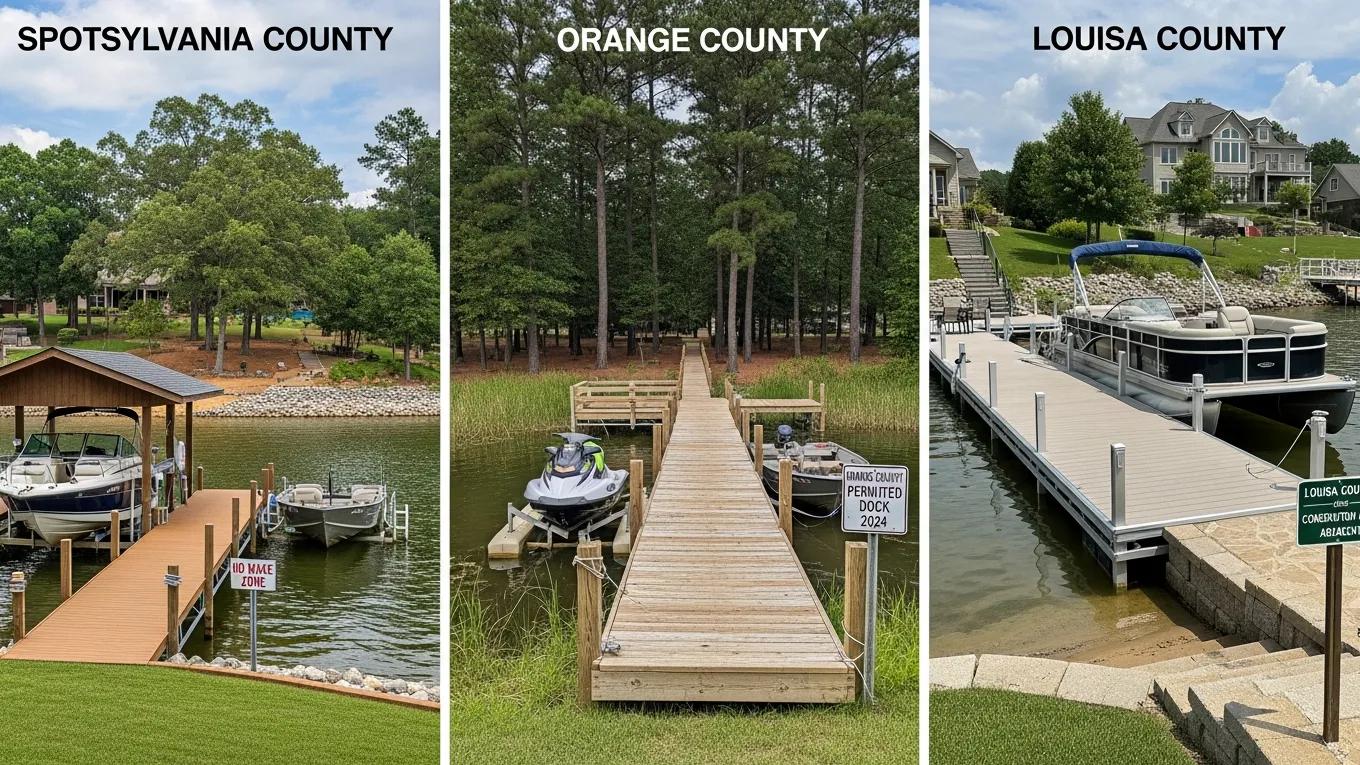
Each county may have unique requirements and regulations regarding dock permits. For instance, Spotsylvania County may require additional environmental assessments compared to Orange County, which might have different zoning regulations. Louisa County may impose specific restrictions on dock size and placement. Property owners should consult their local zoning offices to understand the specific requirements applicable to their area.
What Are the Specific Waterfront Construction Rules for Lake Anna Property Owners?
Lake Anna property owners must adhere to specific waterfront construction rules that govern dock size, placement, and materials used. These regulations are designed to protect the lake’s ecosystem and ensure safe construction practices. For example, docks must be constructed using materials that minimize environmental impact, and their size may be limited based on the property’s shoreline length. Familiarizing oneself with these rules is essential for compliance and successful project completion.
What Environmental and Marine Construction Regulations Impact Virginia Dock Permits?
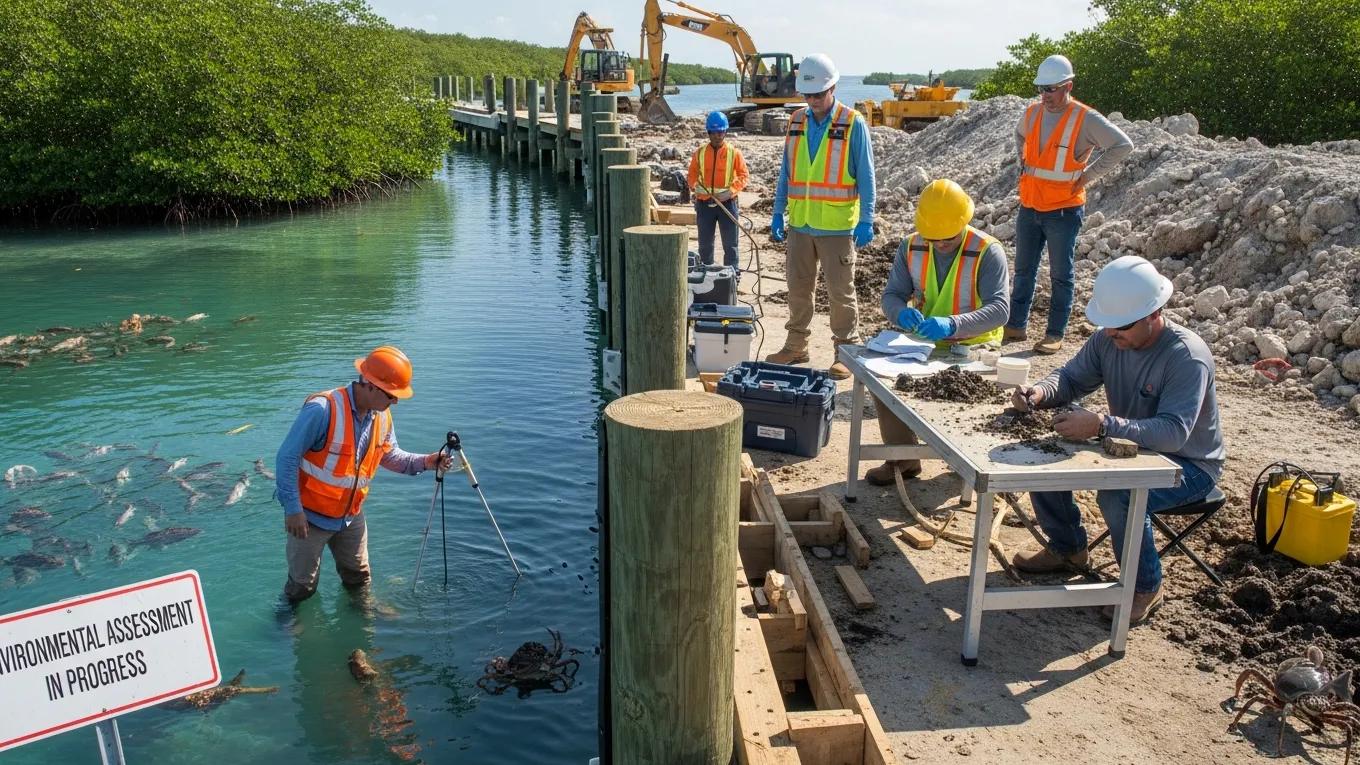
Environmental regulations are a critical aspect of the dock permitting process in Virginia. These regulations ensure that construction activities do not adversely affect local ecosystems and waterways.
Which Environmental Protections Must Be Considered During Dock Building?
When building a dock, property owners must consider several environmental protections, including:
- Environmental Impact Assessments: Required to evaluate potential effects on local wildlife and habitats.
- Compliance with Local and Federal Regulations: Ensuring that all construction activities adhere to established environmental standards.
- Best Practices for Minimizing Ecological Disruption: Implementing strategies to reduce the impact of construction on surrounding ecosystems.
These protections are vital for maintaining the ecological balance and ensuring sustainable development in waterfront areas.
How Do Virginia Marine Construction Regulations Ensure Sustainable Waterfront Development?
Virginia’s marine construction regulations promote sustainable waterfront development by establishing guidelines that protect natural resources. These regulations require property owners to conduct thorough environmental assessments and adhere to best practices in construction. By following these guidelines, property owners can contribute to the preservation of Virginia’s waterways while still achieving their construction goals.
How Can LKA Dock Builder Assist with Virginia Dock Permits and Construction Compliance?
LKA Dock Builder specializes in assisting property owners with the dock permitting process and ensuring compliance with local regulations. Their expertise in marine construction can help streamline the application process and provide valuable insights into the requirements.
What Expertise Does LKA Dock Builder Offer for Navigating Permit Requirements?
LKA Dock Builder offers comprehensive consultation and design services to help property owners navigate the complexities of dock permits. Their team is well-versed in local regulations and can assist with the preparation of necessary documentation, ensuring that applications are complete and accurate. This expertise can significantly reduce the time and effort required to obtain a permit.
How Does LKA Dock Builder Ensure Quality and Durable Dock Construction Aligned with Regulations?
LKA Dock Builder prioritizes quality in construction by utilizing the best materials and practices that comply with local regulations. Their commitment to quality assurance ensures that each dock is built to last while adhering to environmental standards. This focus on durability and compliance helps property owners achieve their waterfront development goals without compromising on quality.
What Are the Most Common Questions About Virginia Dock Permits and Their Answers?
Property owners often have questions regarding the dock permitting process, including timelines and fees. Addressing these common inquiries can help demystify the process and provide clarity.
How Long Does the Virginia Dock Permit Process Typically Take?
The Virginia dock permit process typically takes between 8 to 12 weeks, depending on the completeness of the application and the workload of the approving authorities. Factors such as the need for additional documentation or environmental assessments can also influence the timeline.
Are There Fees Specific to Dock Permits at Lake Anna?
Fees for dock permits at Lake Anna can vary based on the specific requirements of the project. Generally, property owners can expect to pay between $100 and $300 for the necessary permits and assessments. Understanding these costs upfront can help property owners budget effectively for their projects.