
Are There Any Additional Costs Involved in the Dock Building Process Beyond the Initial Quote
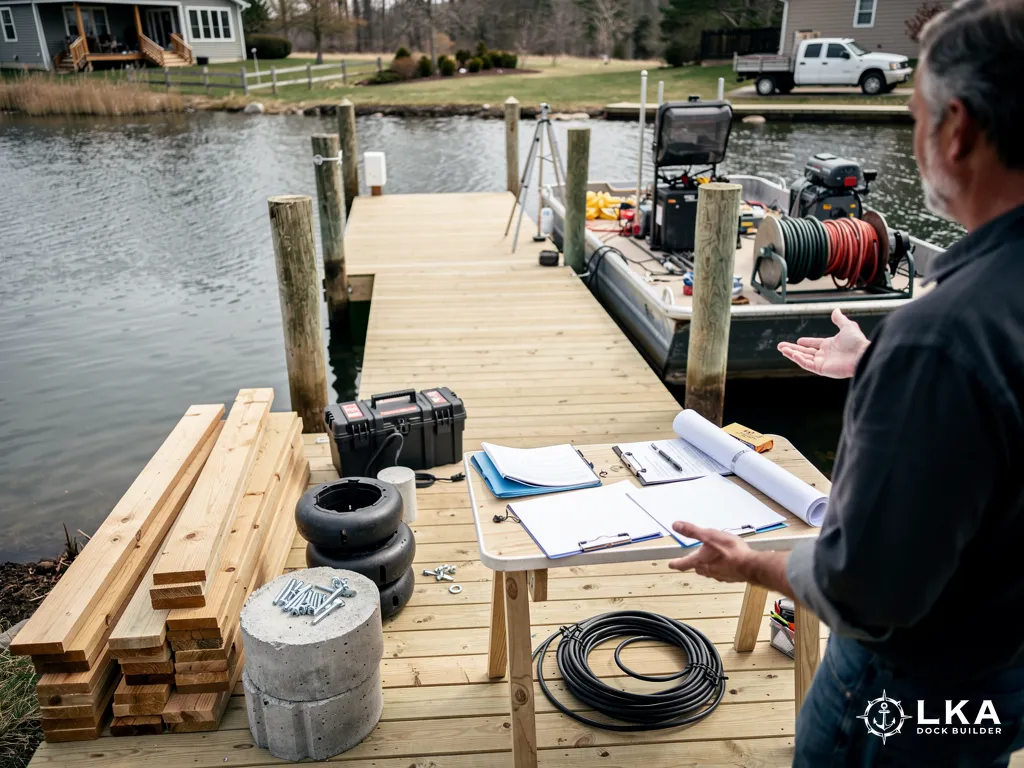
Dock building quotes often exclude permitting fees, shoreline stabilization, and premium decking upgrades, the dock building extra costs that catch many owners off guard. A basic boat dock construction cost at Lake Anna ranges from $20,000 to $50,000, yet custom boat lifts or floating designs raise that figure substantially. Understanding the hidden costs of building a dock before signing a contract is the only way to avoid surprises. LKA Dock Builder provides transparent estimates, ensuring clients understand every cost before construction begins.
Key Takeaways
Initial construction costs represent only about ten percent of a dock’s total lifetime cost.
Subsurface conditions like rocky lakebed or unexpected muck depth create surprise expenses beyond the quote.
Barge access and water depth drive costs that no standard quote captures.
Wood decking’s lower sticker price masks recurring expenses that often surpass premium material costs within a decade.
What costs hide behind the initial quote?
A dock construction quote captures only a fraction of the total financial picture. Are There Any Additional Costs Involved in the Dock Building Process Beyond the Initial Quote? The answer is a definitive yes. The construction industry operates on a well-documented principle: initial construction costs represent only approximately ten percent of a structure’s total lifetime cost. The remaining ninety percent accumulates through maintenance, repairs, and eventual replacement over the dock’s life.
The difference between the lowest bid and a mid-range bid on a comparable dock scope ranges from $15,000 to $30,000 or more. That gap feels significant before construction begins. It looks much smaller when repair bills start arriving.
Where do the extra expenses come from?
Several factors push final project costs well beyond the baseline estimate. Lake Anna waterfront owners face specific variables that standard quotes may exclude:
Custom add-ons and specialized boat lifts that transform a basic platform into a fully functional waterfront setup
Premium decking materials selected for longevity and reduced maintenance demands
Floating dock designs requiring different anchoring and engineering than fixed structures
A basic dock installation in Lake Anna typically ranges from $20,000 to $50,000 or more. These upgrades shift the number upward quickly. Without accounting for them, a property owner carries the risk of a budget that falls short before construction finishes.
What triggers cost escalation after signing the contract?
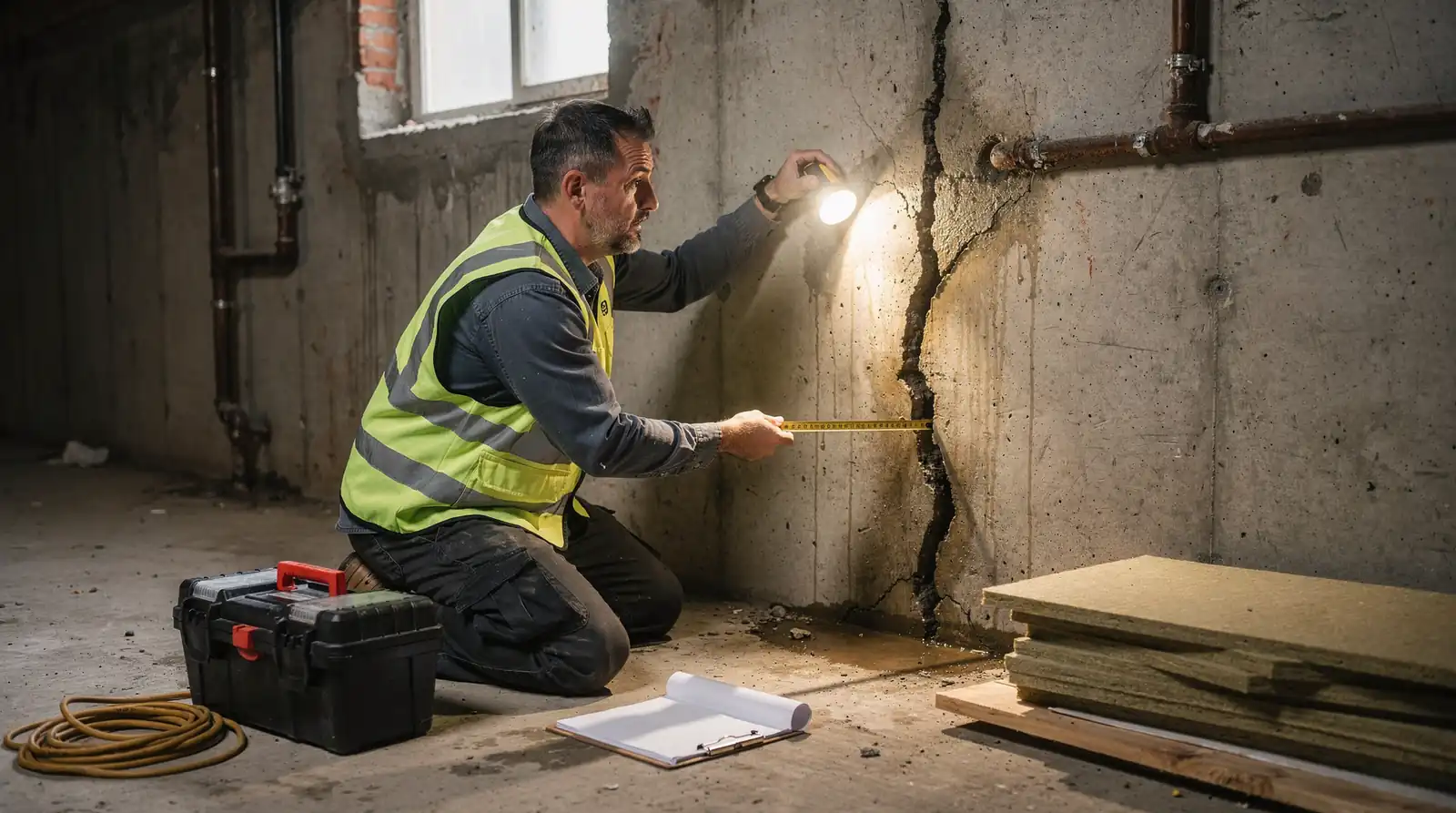
Subsurface conditions create the most common surprises. Rocky lakebed, unexpected muck depth, or shifting terrain demand additional labor and materials that no desk estimate fully anticipates. Permit requirements also introduce line items absent from the original scope. Detailed dock construction costs and permit fees break down these regulatory expenses that homeowners frequently overlook.
Material upgrades during construction represent another escalation trigger. Choosing composite decking over treated lumber adds thousands to the total. The choice compounds because upgraded materials often require different fastening systems and framing adjustments. Each change ripples through the full scope.
How do site conditions inflate your budget?
Site conditions drive costs that no standard quote captures. The two biggest cost drivers are barge access and water depth, according to Lakeside Structures’ 2026 cost guide for waterfront construction. A shoreline that looks straightforward from the dock can hide expenses that emerge only after work begins.
Additional costs surface quickly when site access is restricted. Steep banks, narrow channels, or tree-covered shorelines prevent equipment from reaching the water directly. Barge mobilization adds line items that a basic estimate never includes. Water depth compounds the problem. Shallow areas require specialized equipment or extended work windows. Deep water demands longer pilings and more complex anchoring systems.
What makes water depth such a budget variable?
Shallow depths force builders to use lighter equipment and schedule around water levels. Deep sites need longer structural members and heavier-duty fastening systems. Each condition changes the material list and labor hours. Angi’s 2026 homeowner guide confirms that water depth heavily impacts the final price of any waterfront structure.
How do shoreline conditions affect permitting costs?
Permitting depends on the type of structure. Dock-attached decks follow the Dominion Energy shoreline process at Lake Anna. Standalone residential decks fall under local county building codes. LKA Dock Builder combines shoreline regulation expertise with premium materials to deliver durable, lake-friendly docks. The company’s 3D design approval process catches site-specific issues before permits are filed, preventing rework that inflates budgets mid-project.
Materials, water depth, and local permit requirements all shape the final number. A site that demands extra engineering or regulatory review costs more before the first piling is driven.

Why does material choice change the final cost?
Material selection shifts the total project cost far beyond the initial purchase price. The upfront expense is only one part of a longer financial equation that includes years of upkeep, repairs, and eventual replacement.
Wood decking costs less at the start. That lower price comes with a catch. A lakefront environment subjects wood to constant moisture exposure, which demands ongoing staining, sealing, and repair. Skipping that maintenance accelerates deterioration and leads to structural problems that cost far more to fix than the original savings. Composite and PVC decking cost more initially but require significantly less long-term maintenance. Both resist rot, splintering, and fading far better than wood, which means fewer repair bills and a longer service life.
LKA Dock Builder offers Trex composite decking and AZEK PVC decking as confirmed premium materials for dock, boathouse, and deck projects. Weighing Trex decking vs wood decking comes down to composite decking cost against years of avoided maintenance. Trex is a composite decking brand made from a blend of recycled wood fibers and plastic rather than solid wood. The company provides these options across multiple product lines at different price and performance tiers, giving Lake Anna property owners flexibility in balancing upfront investment against long-term durability.
What hidden costs come with choosing wood decking on a lake?
Wood’s lower sticker price masks recurring expenses. Staining and sealing cycles repeat every year or two. Moisture damage triggers board replacements. These costs accumulate steadily and often surpass the premium paid for composite or PVC within the first decade of ownership.
How do composite and PVC decking reduce long-term expenses?
Composite and PVC materials eliminate most routine maintenance. No staining. No sealing. No splintering repairs. The higher initial investment buys decades of reduced upkeep, which makes the total cost of ownership lower over the dock’s lifespan. For a detailed comparison of these materials, the company’s guide on lakefront decking materials explains how each option performs in Lake Anna’s specific conditions.

What permits and approvals add unexpected fees?
Permit and approval costs catch many Lake Anna homeowners off guard. These regulatory fees sit entirely outside the initial construction bid and can shift a project budget by thousands of dollars. Failing to account for them delays construction and risks compliance penalties that compound over time.
LKA Dock Builder, headquartered in Mineral, Virginia, navigates these complexities as a core part of every project. The company serves waterfront properties across Bumpass, Spotsylvania, and Orange counties. Each jurisdiction carries its own fee schedule and review timeline.
What regulatory layers apply to a Lake Anna dock project?
A dock project faces two distinct regulatory paths. Standard building permits from the county cover standalone structures. For docks and dock-attached decks, an additional review by Dominion Energy comes into play through the shoreline management process. Each layer adds its own application fee, inspection cost, and potential revision charge.
How do permit costs differ between a simple deck and a dock-attached deck?
The difference is substantial. A standalone residential deck falls under local county building codes with predictable, flat-fee permits. Any structure attached to a dock, however, follows the Dominion Energy shoreline process. This dual approval adds hundreds to thousands of dollars in fees that never appear on the initial dock construction quote, and Lake Anna dock permitting fees vary by jurisdiction, county building codes versus shoreline management review.
Experienced builders factor these costs into preliminary budgets. Once a design and timeline are in place, LKA Dock Builder guides clients through the permitting process and schedules construction accordingly. The company’s familiarity with shoreline regulations prevents the application rejections and resubmission fees that inflate costs for unprepared homeowners.
Market data from Maadi Group shows floating dock systems alone range from roughly $3,000 to $30,000 for residential installations. Against that investment, unplanned permit and approval fees represent a small but critical line item. Overlooking them turns a predictable budget into a moving target before the first piling enters the water.
How can you avoid surprise change orders?
Surprise change orders derail budgets and delay completion. A clear upfront scope prevents most additional costs involved in the dock building process beyond the initial quote from appearing mid-project. Without a locked-in design, waterfront property owners risk losing thousands to unplanned modifications after construction begins. Dock change orders are the single biggest threat to a predictable budget once work is underway.
What should a homeowner define before requesting a dock quote?
A homeowner must define exactly how the dock will be used and what features it requires. Boating, swimming, fishing, and entertaining each demand different configurations. Researching reputable builders familiar with Lake Anna’s environment narrows the field to companies that understand local conditions. LKA Dock Builder recommends clients consider intended use first, then match features to those needs before any numbers appear on paper.
How does design approval reduce mid-project cost surprises?
Visual confirmation eliminates guesswork. LKA Dock Builder uses 3D design approval so clients see the finished structure before a single piling goes in. This step catches layout issues, material mismatches, and feature gaps while changes cost nothing. A consultation to discuss ideas, review material options, and obtain a firm quote locks in expectations. Hiring a local dock builder provides reliable expertise and saves intense physical effort, but the real financial protection comes from approving a complete visual plan. The company’s familiarity with Lake Anna’s shoreline regulations and environmental factors means the design accounts for site-specific challenges from day one. For deeper guidance on local requirements, property owners can review the Lake Anna information resource covering permits and construction timelines.
Why does builder selection matter for cost control?
Local experience prevents expensive rework. A builder unfamiliar with Lake Anna’s water levels, bottom conditions, or regulatory landscape often discovers problems after the contract is signed. Those discoveries become change orders. LKA Dock Builder’s 37 years of combined construction experience in Mineral, Bumpass, Spotsylvania, and Orange counties means the initial quote reflects real site conditions, not optimistic assumptions.
FAQ
What costs hide behind the initial quote?
Initial construction costs represent only about ten percent of a dock’s total lifetime cost. Subsurface conditions like rocky lakebed or unexpected muck depth demand additional labor and materials. Permit requirements also introduce line items absent from the original scope, and material upgrades during construction add thousands to the total.
How do site conditions inflate your budget?
The two biggest cost drivers are barge access and water depth. A shoreline that looks straightforward can hide expenses that emerge only after work begins, pushing final project costs beyond the baseline estimate.
Conclusion
Understanding these hidden costs transforms a dock project from a budget gamble into a controlled investment. Property owners who define their needs upfront, secure a complete visual design, and work with a builder experienced in Lake Anna’s specific conditions avoid the surprise expenses that derail less prepared projects.