Expert Custom Dock Restoration Services on Lake Anna
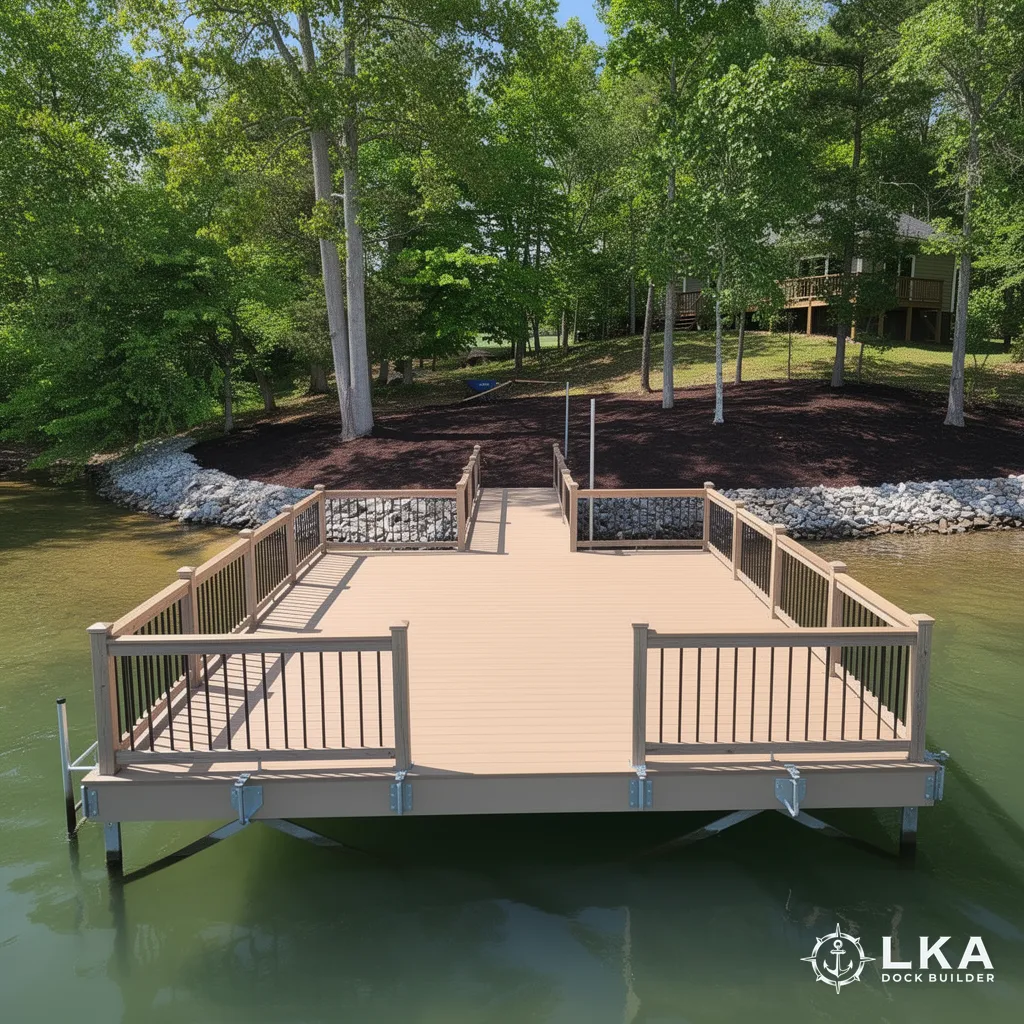
Newly restored dock on Lake Anna with upgraded decking and railings
Custom dock restoration services bring a worn or aging dock back to full strength while upgrading its look and function at the same time, going a step beyond a basic fix to address both structural damage and the features that make a dock work better for how you actually use it. As a trusted Lake Anna dock builder, LKA Dock Builder provides waterfront dock restoration and Lake Anna dock repair services for homeowners across Mineral, Bumpass, Louisa, Spotsylvania, and Orange County, and this guide covers what restoration involves, how damage gets diagnosed and treated, and how the process can add lasting function and value to your dock.
Key Takeaways
Dock restoration combines structural repair with functional and aesthetic upgrades, rather than a like-for-like patch.
Wood rot, insect damage, and ice damage are the most common issues at Lake Anna – not saltwater corrosion, since Lake Anna is a freshwater reservoir.
Treated lumber, composite decking (AZEK, Trex, Wolf), aluminum, and vinyl-coated steel are LKA Dock Builder’s confirmed restoration materials.
Pilings, decking, and hardware are assessed individually to determine what needs repair versus full replacement.
A restoration project is a good opportunity to add accessories like lighting, storage, and upgraded safety features.
LKA Dock Builder’s process starts with an on-site assessment, identifying the actual cause of damage before recommending a plan.
Dock restoration combines structural repair with functional and aesthetic upgrades, rather than a like-for-like patch.
Wood rot, insect damage, and ice damage are the most common issues at Lake Anna – not saltwater corrosion, since Lake Anna is a freshwater reservoir.
Treated lumber, composite decking (AZEK, Trex, Wolf), aluminum, and vinyl-coated steel are LKA Dock Builder’s confirmed restoration materials.
Pilings, decking, and hardware are assessed individually to determine what needs repair versus full replacement.
A restoration project is a good opportunity to add accessories like lighting, storage, and upgraded safety features.
LKA Dock Builder’s process starts with an on-site assessment, identifying the actual cause of damage before recommending a plan.
What Are the Key Benefits of Custom Dock Restoration Services?
Dock restoration addresses structural problems while also improving how your dock looks and functions, which sets it apart from a narrow, single-issue repair. Beyond fixing what’s damaged, a restoration project is a chance to swap out aging materials for more durable ones, add accessories you didn’t have before, and generally bring the whole structure up to a higher standard rather than just patching the worst spot.
How Does Expert Craftsmanship Improve Dock Safety and Aesthetics?
Careful workmanship matters as much in restoration as it does in new construction – properly securing hardware, matching new decking cleanly to existing sections, and making sure repaired pilings sit level all affect both how safe a dock feels to use and how finished it looks. LKA Dock Builder brings 37 years of combined construction experience to every restoration project, with founders Nick Covert and Chris Casazza staying hands-on from assessment through completion.
Which Dock Materials Can Be Restored, and What Should You Use?
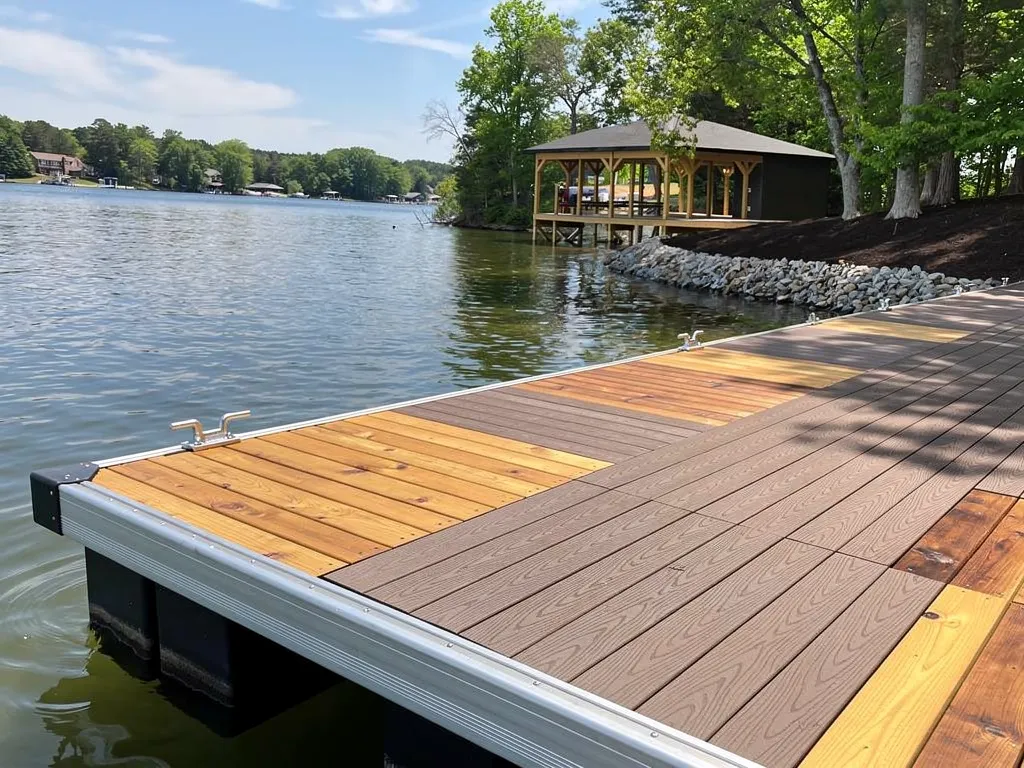
Dock restoration typically involves either repairing existing materials in place or replacing damaged sections with something more durable – LKA Dock Builder works with treated lumber, composite decking (including AZEK, Trex, and Wolf PVC decking), aluminum, and vinyl-coated steel for restoration projects, the same confirmed material lineup used in new dock construction.
Why Is Material Durability Essential for Long-Lasting Restoration?
A restoration that reuses the same materials that failed the first time often just delays the next repair. Composite and PVC decking options like AZEK and Trex resist fading, staining, and warping with less long-term maintenance than untreated wood, while aluminum and vinyl-coated steel offer corrosion resistance for hardware and structural components. Choosing more durable materials during a restoration – even if it costs more upfront than a like-for-like patch – is often what makes the difference in how long the fix actually lasts.
What Are Best Practices for Composite Dock Restoration?
Composite and PVC decking materials generally hold up well to repeated moisture exposure and require less sanding, sealing, or refinishing than wood over time, which is a big part of why they’re a common upgrade choice during a restoration project. Restoring or replacing decking with a composite option is one of the more straightforward ways to reduce future maintenance without changing the dock’s footprint or design. General wood species – beyond LKA’s confirmed treated lumber category – aren’t something LKA specifies for restoration work, so material choice comes down to a site-specific conversation about what the existing structure needs.
How Are Dock Components Repaired or Replaced During Restoration?
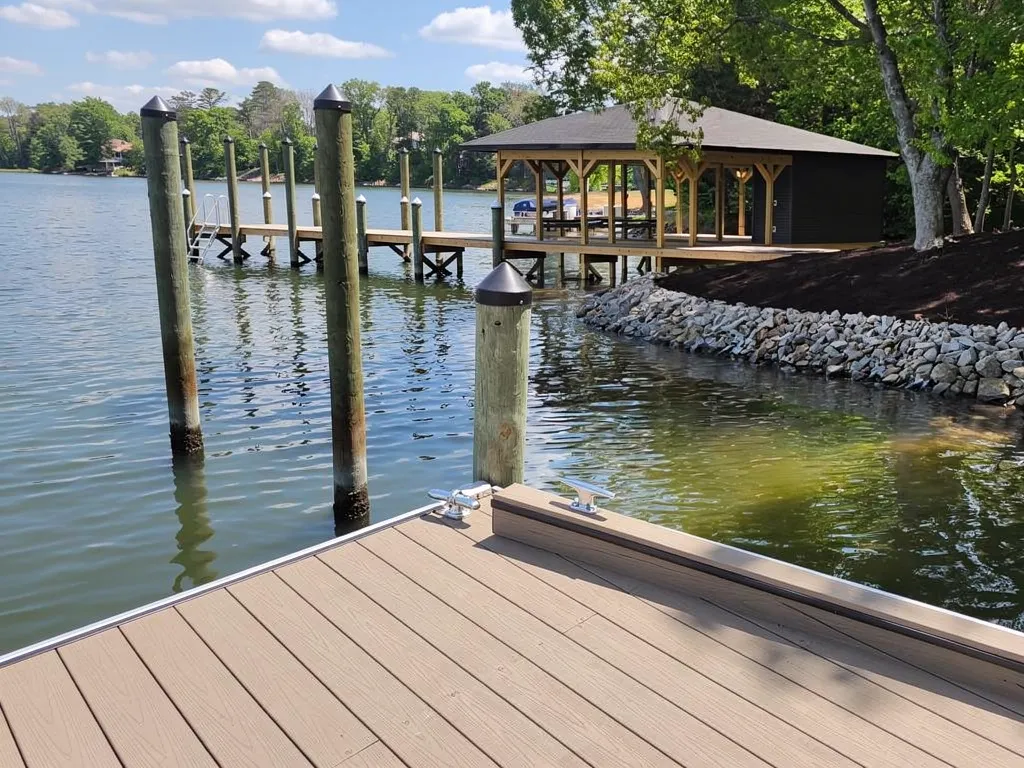
Restoration work typically breaks down into three areas – pilings, decking, and hardware – each assessed individually rather than replaced wholesale.
When Should Dock Piling Repair or Replacement Happen for Safety?
A piling that’s leaning, showing gaps at the decking connection, or has shifted in the lakebed generally needs replacement rather than repair, while a piling that’s structurally sound but showing surface wear can sometimes be reinforced instead. Lake Anna’s water level fluctuation, tied to Dominion Energy’s dam operations, is one of the more significant ongoing stressors on pilings here specifically, since the repeated cycle of exposure and submersion accelerates wear compared to a more stable body of water.
What Is Involved in Dock Decking Replacement and Hardware Repairs?
Decking replacement involves removing damaged or worn boards and installing new material, matched to the existing structure or upgraded to a more durable option like composite decking. Hardware repairs cover cleats, ladders, railings, and boat lift connections – corroded or loose hardware is a common restoration item, since fasteners and metal components take on more wear from constant water exposure than the decking itself often does.
What Common Dock Damage Requires Restoration Services at Lake Anna?
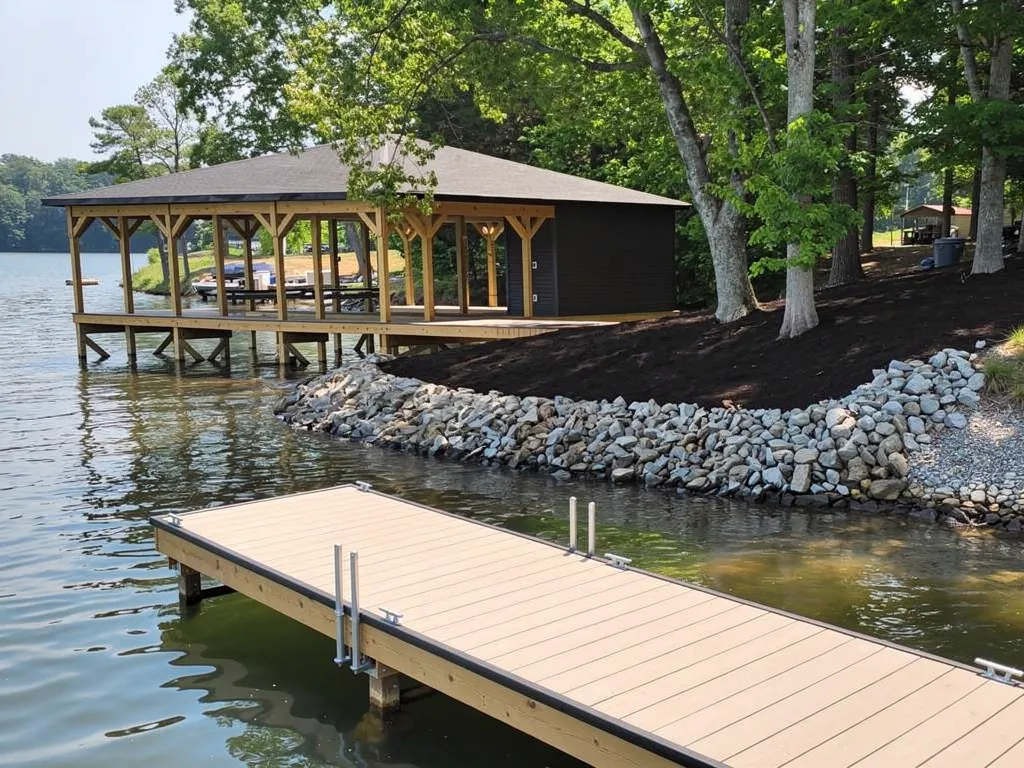
Most dock damage at Lake Anna comes down to a few recurring causes: wood rot, insect damage, and the effects of ice and storms – not saltwater exposure, since Lake Anna is a freshwater, non-tidal reservoir rather than a coastal or brackish waterway.
How Are Wood Rot and Insect Damage Diagnosed and Treated?
Wood rot typically shows up as soft, spongy, or discolored decking, often starting near the waterline where moisture exposure is constant, while insect damage (from wood-boring insects common to freshwater environments, distinct from the marine borer organisms found in saltwater settings) can show up as small holes or crumbling wood texture. Diagnosis usually starts with a visual and physical check – probing suspect boards for softness – followed by removing and replacing affected sections rather than treating rot in place, since rot doesn’t reverse once it’s set in.
How Are Storm and Ice Damage Mitigated in Docks?
Storms can loosen fasteners, crack decking boards, and shift floating sections, while winter ice can push against pilings and stress floating dock components during freeze-thaw cycles. Restoring storm- or ice-damaged sections generally means the same assessment-and-repair process as any other damage – identifying what’s actually compromised, stabilizing it, and repairing or replacing the affected components with materials suited to Lake Anna’s conditions.
What Does the Custom Dock Restoration Process Involve?
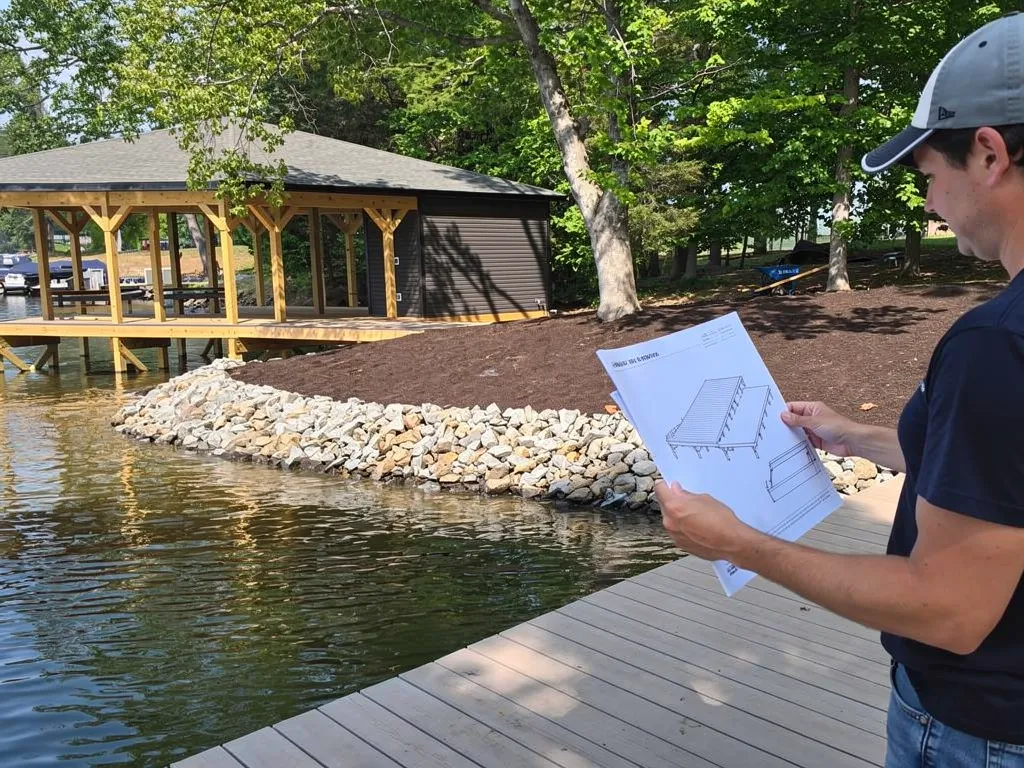
LKA Dock Builder’s restoration process starts with an on-site assessment to identify the cause and extent of damage, followed by a repair plan and, for larger projects, 3D design approval so you can see the plan before work begins.
What Are the Typical Steps From Inspection to Completion?
The process generally follows: an initial inspection covering pilings, decking, fasteners, and any boat lifts or accessories; identifying whether the issue is rot, insect damage, storm/ice damage, or general wear; a repair plan and quote; and then the restoration work itself, using materials matched to what the project needs. For more involved restorations that touch a significant portion of the structure, LKA Dock Builder’s 3D design approval process lets you see the finished result before construction begins.
How Do Permitting and Regulations Affect Dock Restoration?
Larger restoration projects, especially ones that change a dock’s footprint or involve significant rebuilding, may require permitting through Dominion Energy and your county (Louisa, Spotsylvania, or Orange), the same authorities that govern new dock construction at Lake Anna. Minor repairs to an existing structure often don’t require a new permit, while larger restorations typically do – LKA Dock Builder helps determine what’s required for your specific project. Homeowners should also check with their own insurance provider about coverage for waterfront structure repairs, since that’s a policy-specific question outside what any contractor can confirm on your behalf.
How Can Custom Dock Design Enhance Functionality and Property Value During Restoration?
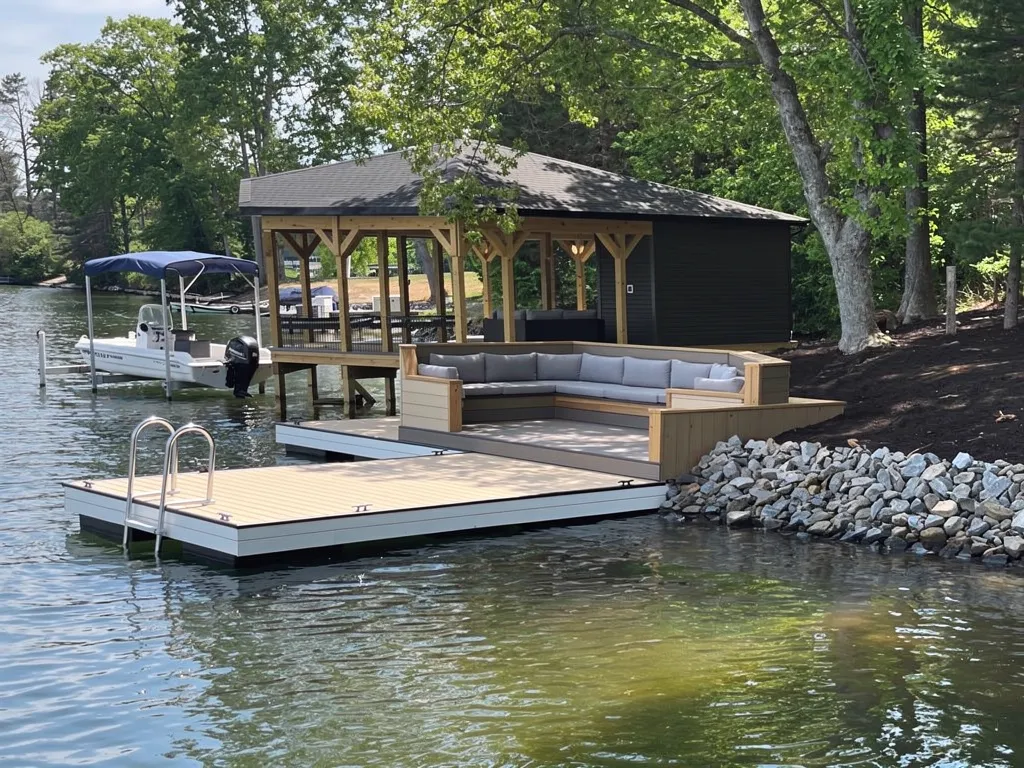
A restoration project is a natural opportunity to add features you didn’t have before, not just replace what broke – functionality and property value tend to improve together when a dock gets both structurally sound and better equipped.
What Custom Features and Amenities Can Be Added During Restoration?
LKA Dock Builder’s confirmed accessory options include dock bumpers and cleats, ladders and railings, storage options, and lighting, along with safety features like sturdy railings, non-slip surfaces, and secure ladder access – any of these can be added during a restoration rather than waiting for a separate project. Adding a boat lift or upgrading to composite decking during restoration work is also common, since the structure is already being opened up for repair.
How Does Aesthetic Restoration Improve Waterfront Appeal?
A dock that’s been restored with attention to both structure and finish – clean decking, secure hardware, matched materials – reads as a well-maintained waterfront feature rather than one that’s just been patched. Like a well-maintained seawall or new construction, a restored dock is generally seen as supporting a waterfront property’s overall appeal and value, the same reasoning that applies to any well-kept part of a home.
Frequently Asked Questions
What’s the Difference Between Dock Repair and Dock Restoration?
Repair typically addresses a specific problem – a damaged section, a failing piling – while restoration takes a broader view, combining structural fixes with material upgrades and added features across more of the structure. LKA Dock Builder’s process is the same either way: an on-site assessment determines the right scope for your specific dock.
What Causes the Most Dock Damage at Lake Anna?
Wood rot, insect damage, and the effects of storms and winter ice are the most common causes at Lake Anna, along with ongoing wear from the lake’s water level fluctuation. Saltwater corrosion isn’t a factor here, since Lake Anna is a freshwater, non-tidal reservoir.
Do I Need a Permit for Dock Restoration at Lake Anna?
It depends on the scope. Minor repairs to an existing structure often don’t require a new permit, while larger restorations that change the dock’s footprint typically do, through Dominion Energy and your county (Louisa, Spotsylvania, or Orange). LKA Dock Builder can help determine what applies to your specific project.
Not sure if your dock needs a quick repair or a fuller restoration? LKA Dock Builder works with homeowners across Mineral, Bumpass, Louisa, Spotsylvania, and Orange County to assess the structure and recommend the right path forward, whether that’s a targeted fix or a complete refresh.