
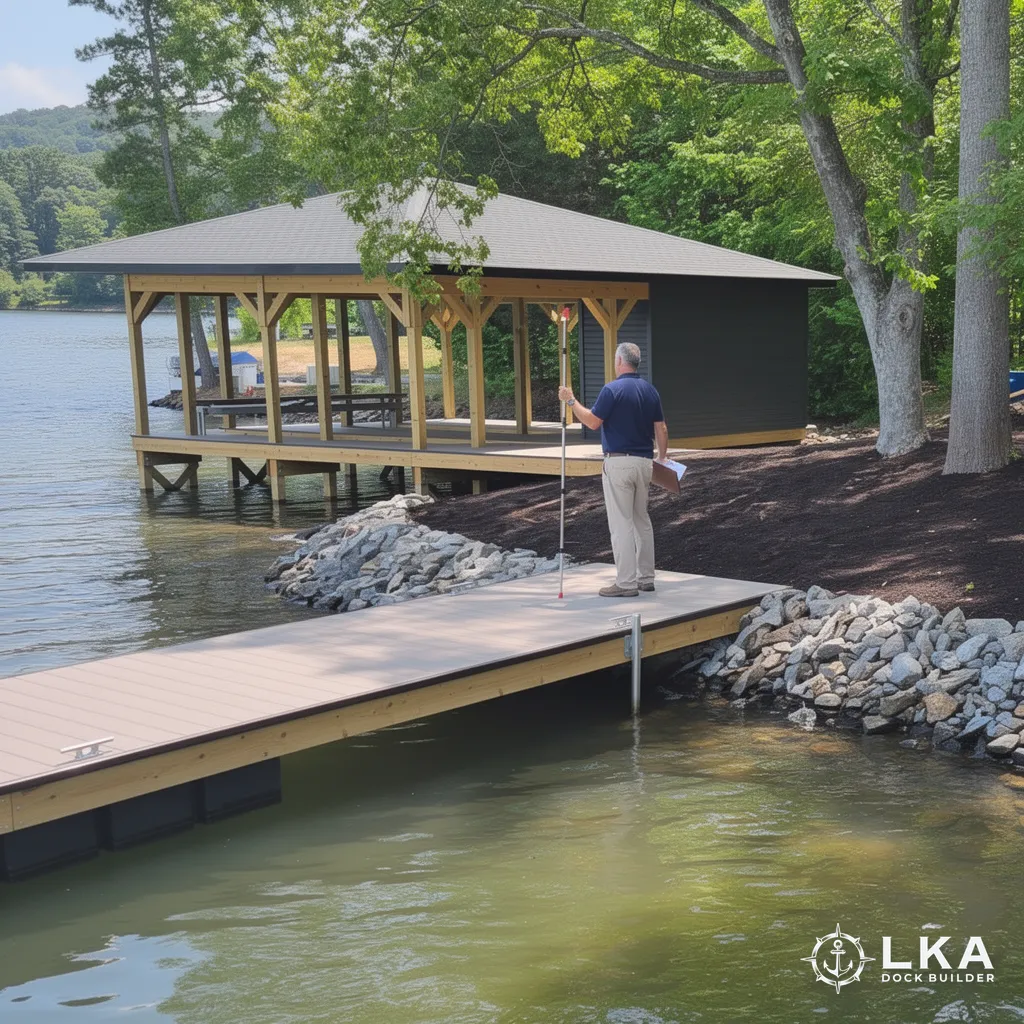
Is Your Lake Anna Property Ready for a Dock? Here’s How to Tell
A thorough dock installation site assessment starts with a Mineral, VA-based inspection by LKA Dock Builder, examining shoreline depth, soil composition, water fluctuation levels, and dock permitting requirements. This waterfront property dock planning process evaluates lake-bottom conditions and access points, delivering a detailed feasibility report before construction begins.
Shoreline Frontage Dock Evaluation: Conduct a professional boat dock site evaluation analyzing lake bottom conditions and shoreline characteristics before installation. LKA Dock Builder, based in Mineral, VA, recommends this step since it prevents costly errors and ensures the dock system is installed correctly the first time.
Property suitability assessment for dock installation requires evaluating shoreline conditions, lake bottom composition, and water depth dock type requirements at the site. Lake Anna properties often show varied bottom conditions affecting piling placement and the choice between a floating vs fixed dock. Costs for a basic installation vary considerably by site, making a professional site evaluation essential before committing to design or budget decisions.
Why Professional Site Assessments Are Essential
- Professional site assessments save lakefront property owners thousands of dollars by preventing costly installation mistakes.
- Every lakefront property requires unique evaluation of shoreline conditions and lake bottom characteristics for dock suitability.
- Proper dock construction involves compliance with regulations, material selection, and professional craftsmanship from planning through completion.
- Choosing the right builder determines whether your dock performs reliably for decades or requires recurring repairs.
What Do You Need Before Starting?
Preparation for a dock project starts with paperwork, patience, and a professional evaluation of the shoreline. Waterfront homeowners who skip this step risk thousands of dollars in rework and years of frustration fixing a system installed incorrectly the first time. Lake Anna shorelines vary property to property, so what works next door may fail on a different lot entirely.
Determining whether a property is suitable for a dock installation starts with the lake bottom, not the shoreline view. Water depth shifts across seasons, sediment composition changes from bank to bank, and underwater obstructions often hide below the surface. LKA Dock Builder, based in Mineral, VA, brings firsthand familiarity with these Lake Anna variables to every site visit.
Before any contractor breaks ground, gather the following:
- Survey documents confirming property lines and shoreline boundaries.
- Notes on visible water depth changes near the bank.
- A clear list of intended uses, boat size, and elevator requirements.
- Awareness of local permitting rules and approved building materials.
Regulatory compliance and material selection cannot move forward until this groundwork is settled. Skipping it invites structural instability, permit delays, or a dock that never quite fits the property.
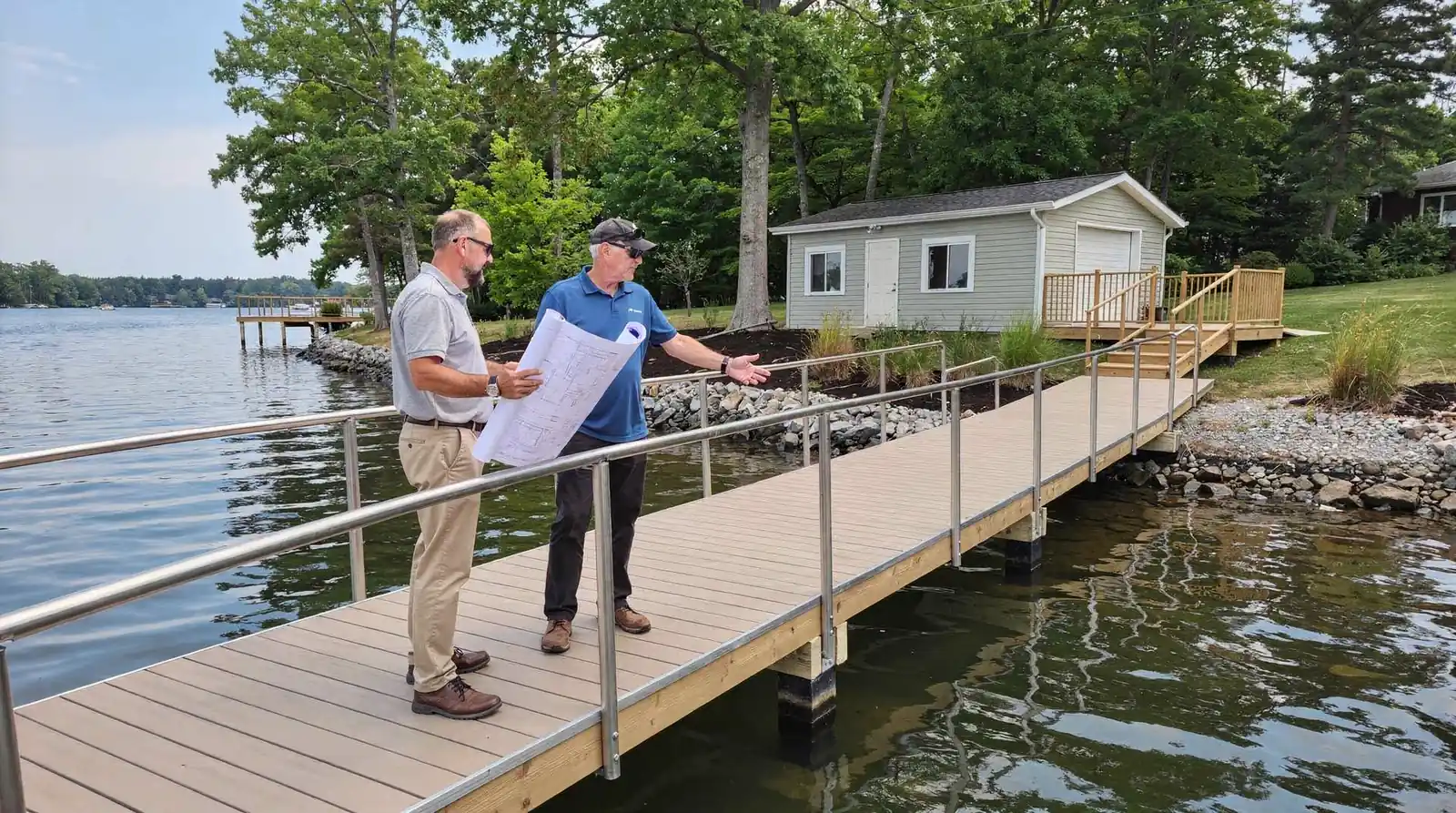
How Do You Evaluate the Site Step by Step?
A proper evaluation follows a defined sequence, starting with the homeowner’s goals and ending with a permit-ready construction plan. Skipping steps costs waterfront property owners wasted design fees and rejected permit applications. LKA Dock Builder structures the process so nothing gets missed.
- Define the dock’s purpose. Property owners start by deciding how the dock will be used — boat storage, fishing, swimming access — and which features matter most.
- Research a Lake Anna-experienced builder. A contractor unfamiliar with the lake’s shoreline patterns misses problems that only surface once construction starts.
- Schedule a consultation. This is where builder experience pays off most. An experienced local team spots site-specific constraints — awkward water depth, tricky access, unstable banks — before a single piling goes in.
- Review 3D design options. LKA Dock Builder applies 3D design approval alongside shoreline regulation expertise to confirm the layout works with the lake’s natural conditions.
- Finalize design and timeline. Once the plan and schedule are approved, the builder moves forward.
- Handle permitting and scheduling. The builder guides the homeowner through required permits and locks in a construction date.
What Determines Whether a Property Is Ready for a Dock?
Readiness depends on shoreline conditions, regulatory approval, and a design that matches how the family plans to use the water. Property is suitable for a dock installation once these factors align with a builder’s site assessment and permitting review.
Why Does Cost Vary So Much Between Properties?
Dock costs shift with size, material choice, complexity, and add-on features like lifts or premium decking. Two lots on the same cove often carry very different price ranges, which is why a direct site evaluation matters more than a generic estimate.
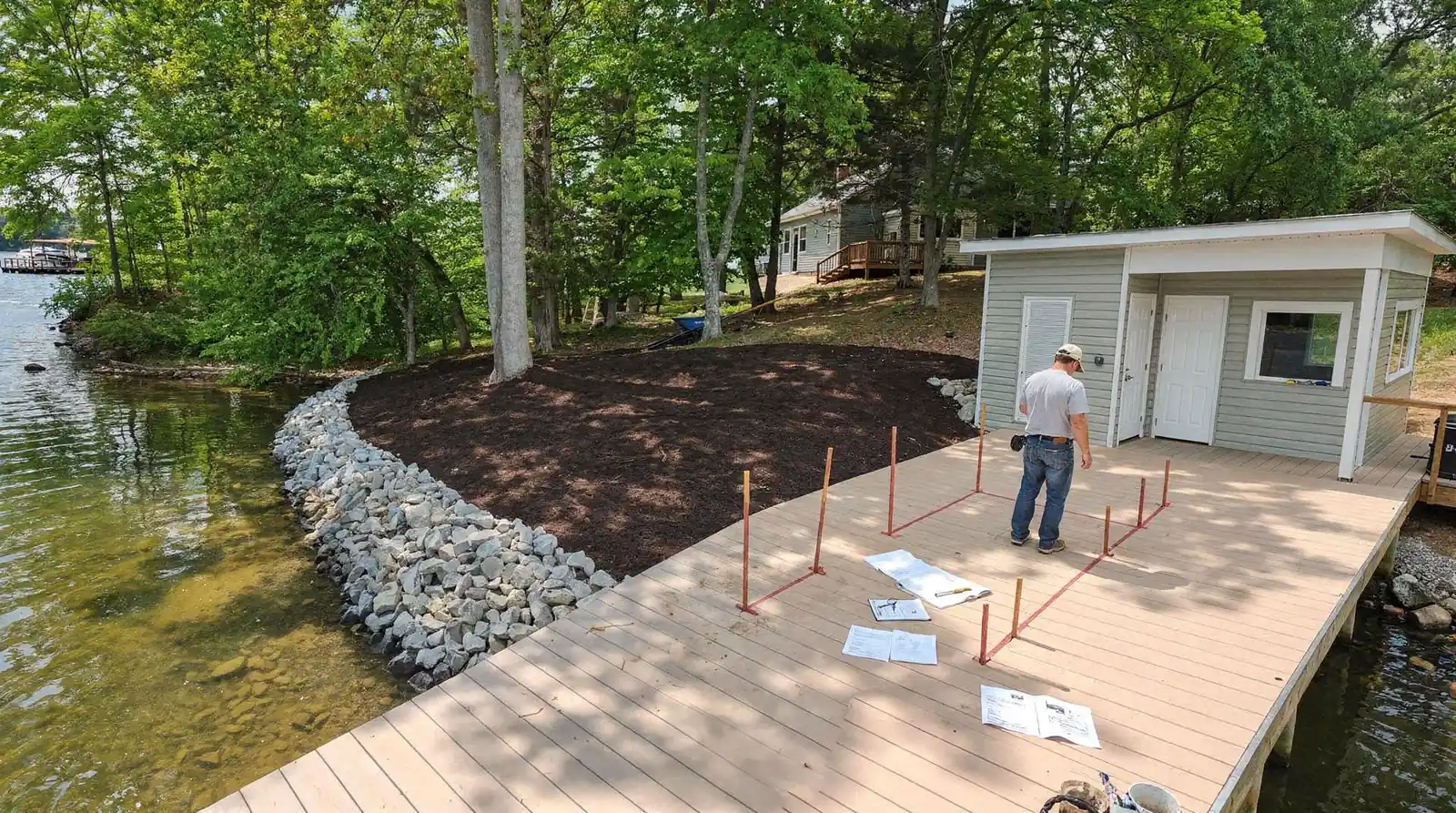
What Mistakes Derail a Dock Assessment?
Rushed timelines and unqualified contractors cause most dock assessment failures. Skipped evaluation steps create structural instability, regulatory compliance problems, and safety risks that surface long after installation. Homeowners gathering quotes should watch for these warning signs before signing a contract.
Before scheduling any evaluation, property owners should confirm the contractor holds proper licensing and has reviewed local shoreline regulations. Once that groundwork exists, the assessment should follow a clear sequence:
- Verify the builder’s license and insurance coverage.
- Request documentation of prior piling and structural work.
- Confirm permit requirements are addressed before construction begins.
- Schedule the site visit with enough lead time to avoid rushed conclusions.
An inexperienced or poorly managed contractor exposes owners to permit violations, environmental fines, and structural instability from improper piling installation. LKA Dock Builder carries full licensing and insurance, reducing that risk exposure for waterfront clients throughout Bumpass, Mineral, Spotsylvania, and Orange counties.
What causes delays during dock assessment and design approval?
Scheduling conflicts between the homeowner and builder often push timelines back. Complex site conditions sometimes require additional evaluation before design work continues. Revision requests after the initial proposal can add further delay.
Assessing your property’s suitability for dock installation requires careful evaluation of shoreline conditions, water depth, soil composition, and regulatory compliance. By understanding these foundational factors and consulting with experienced professionals who know Lake Anna’s unique characteristics, you position your project for success. A thorough assessment protects your investment, ensures structural integrity, and establishes the groundwork for a dock system that serves your waterfront needs reliably for years to come.
FAQ
What factors determine if a property suits a dock installation?
Evaluation centers on lake bottom composition, water depth, and shoreline characteristics at the site. Lake Anna properties show varied bottom conditions that directly affect piling placement and dock type selection.
What should I prepare before a site evaluation?
Gather survey documents confirming property lines, notes on visible water depth changes, a list of intended uses and boat size, and awareness of local permitting rules and approved materials.
Why does site evaluation matter before starting construction?
A professional evaluation prevents costly installation mistakes and structural instability. Lake Anna shorelines vary property to property, and installation costs vary considerably depending on site conditions, size, and materials — another reason a direct site evaluation matters more than a generic estimate.