
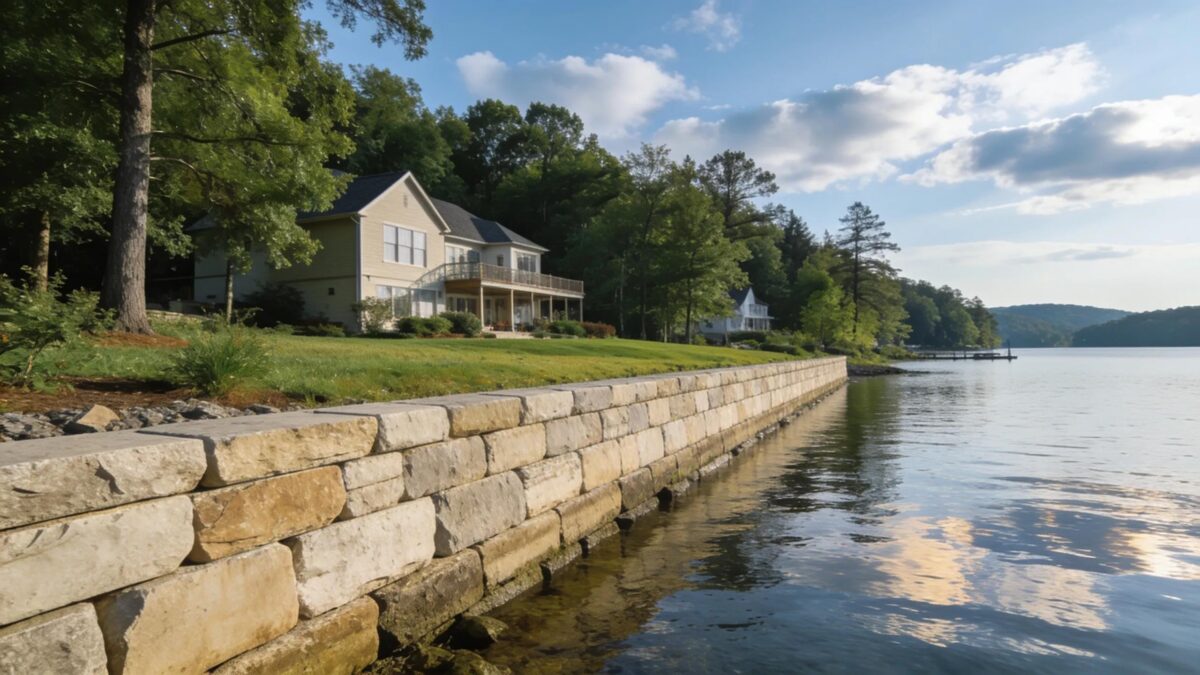
Protecting Lake Anna Properties: Expert Seawall Solutions
By LKA Admin, LKA Dock Builder
Seawalls play a critical role in coastal protection, serving as barriers between the sea and vulnerable shorelines. These structures are designed to withstand the harsh forces of waves and currents, protecting both the environment and property owners from erosion and flooding risks. In this article, we will explore the mechanics of seawalls, their benefits, construction techniques, and their essential role in safeguarding waterfront properties, particularly around Lake Anna. As climate change continues to escalate the threat of flooding, understanding seawall protection becomes increasingly important for property owners and communities alike. We will also discuss best practices for ensuring the longevity of these structures through informed maintenance and installation choices.
Key Benefits of Seawalls
Seawalls are invaluable to waterfront property owners, providing numerous advantages that enhance land protection and value.
- Erosion Protection: Seawalls effectively absorb and deflect wave energy, which is essential for reducing soil erosion along coastlines and preserving valuable land.
- Flood Mitigation: By acting as a barrier against rising waters, seawalls play a significant role in flood prevention, particularly during storms and high tides, thus safeguarding properties.
- Property Value Enhancement: Properties equipped with seawalls often experience increased market values. This enhancement results from reduced flood risk and effective shoreline management, making them more attractive to potential buyers.
LKA Dock Builder specializes in seawall construction, providing tailored solutions that leverage the benefits of these protective structures to meet the needs of property owners around Lake Anna, including Bumpass, Spotsylvania, and Orange counties.
Construction Techniques for Durability
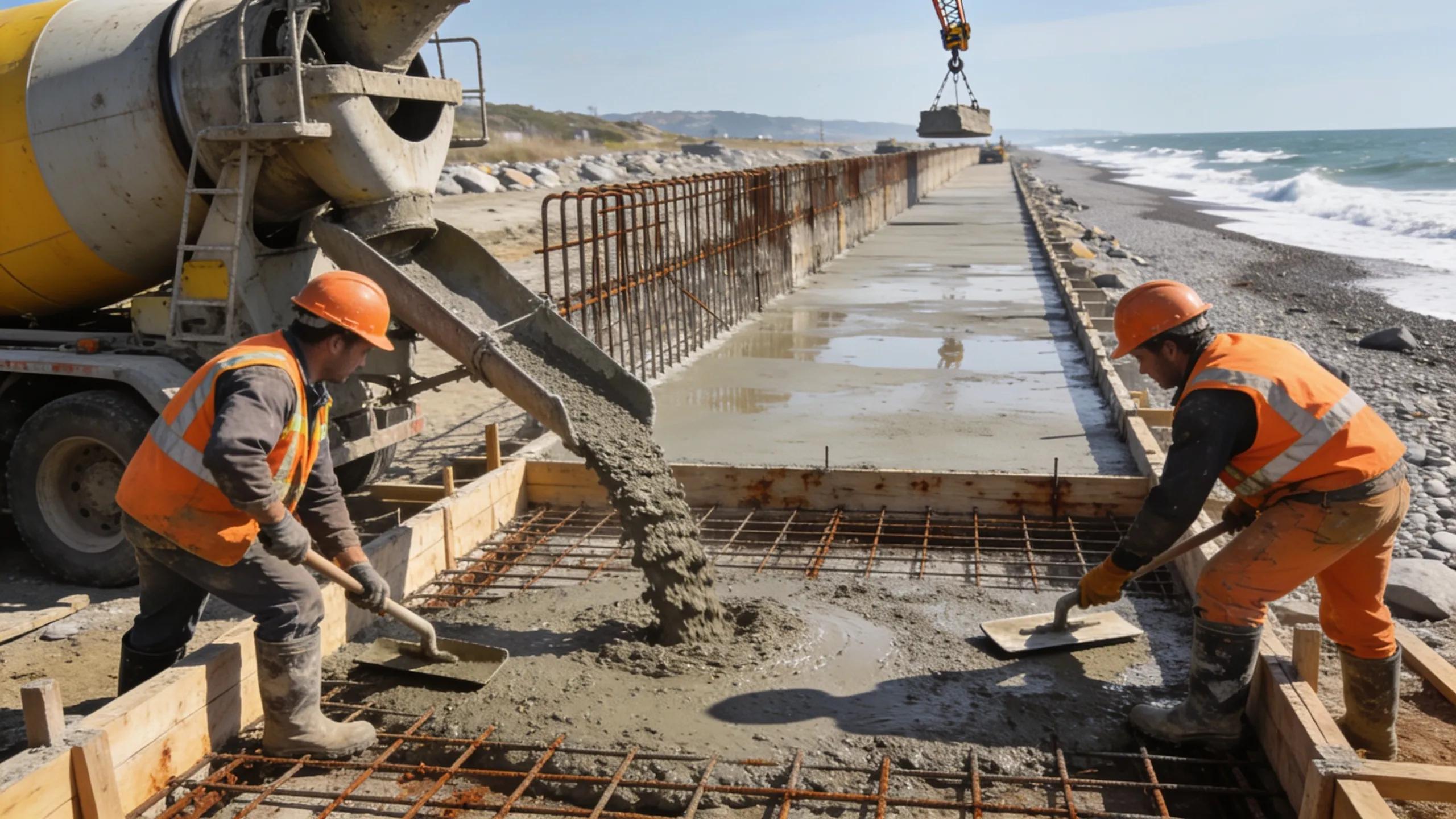
The durability of seawalls is paramount to their effectiveness, and several construction techniques contribute significantly to their strength.
- Material Selection: Choosing the right materials, such as concrete, timber, or vinyl, directly impacts the seawall’s longevity and resistance to environmental elements.
- Site Preparation: Proper site assessment and preparation are crucial. This includes examining soil composition and wave impact zones to ensure a robust foundation.
- Reinforcement: Incorporating reinforcement methods, such as steel reinforcements within concrete, adds to the wall’s ability to withstand significant pressure and erosion.
At LKA Dock Builder, our expertise in marine construction allows us to implement these techniques effectively, ensuring durable seawall installations that offer long-term protection for waterfront properties.
Expert Solutions for Protecting Waterfronts
Protecting waterfront properties involves not only the construction of seawalls but also the implementation of best practices for their maintenance and installation.
- Regular Maintenance: Routine inspections and maintenance can extend the life of a seawall, addressing potential issues such as cracking or erosion before they escalate.
- Professional Installation: Engaging experienced construction companies, like LKA Dock Builder, ensures that the seawall is built to withstand local environmental conditions and complies with regulatory standards.
- Alternative Solutions: In situations where traditional seawalls may not be feasible, alternative solutions such as living shorelines can provide protective benefits while enhancing ecological health.
Understanding these solutions is essential for property owners aiming to maintain the integrity of their waterfronts amidst changing environmental conditions.
What Are the Key Benefits of Seawall Flood Protection and Erosion Control?
Seawalls offer several critical benefits, notably in flood protection and erosion control, significantly aiding property owners. They serve to:
- Absorb wave energy that would otherwise erode the coastline.
- Act as a preventative barrier against flooding, especially during storm surges.
Investing in a seawall can therefore significantly reduce the risk of property damage from both erosion and flooding.
How Do Seawalls Reduce Shoreline Erosion and Preserve Land?
Seawalls act as a structural intervention that prevents the natural process of erosion by providing a solid barrier against harsh weather conditions and strong waves. By absorbing and redirecting wave energy, they help maintain the integrity of the shoreline, which is crucial for preserving valuable land over time.
In What Ways Do Seawalls Mitigate Flooding Risks for Waterfront Properties?
These structures are specifically designed to resist the powerful forces associated with high tides and storm surges. By standing between floodwaters and properties, seawalls mitigate the risk of water damage and contribute to overall disaster resilience for waterfront properties.
Which Types of Seawalls Offer Durable and Effective Marine Erosion Control?
The most common types of seawalls include:
- Concrete Seawalls: Known for their robustness and longevity, concrete seawalls are often used in high-impact areas where durability is essential.
- Timber Seawalls: These offer a more natural aesthetic but require regular maintenance due to susceptibility to decay.
- Vinyl Seawalls: A cost-effective option, vinyl seawalls provide adequate protection and are resistant to corrosion.
Each type is selected based on location, environmental conditions, and property needs.
What Are the Advantages of Timber, Concrete, and Vinyl Seawall Materials?
Different materials offer distinct benefits:
- Concrete: Exceptional strength and durability, ideal for high-stress environments.
- Timber: Eco-friendly and aesthetically pleasing, though it has a shorter lifespan.
- Vinyl: Lightweight and resistant to rust and corrosion, making it suitable for less demanding applications.
These material choices should align with both functional needs and environmental considerations.
How Does Local Lake Anna Environment Influence Custom Seawall Design?
The specific environmental conditions of Lake Anna, including water levels and wave action, directly influence seawall design. A thorough analysis of these factors allows professionals to tailor seawall construction to enhance stability and effectiveness against local climatic challenges. For comprehensive service and expert consultation on such designs, LKA Dock Builder is a leading provider.
How Is Seawall Installation Cost Determined for Effective Waterfront Protection?
The cost of seawall installation is influenced by various factors such as:
- The type of materials chosen
- The complexity of the installation site
- Local regulatory requirements
Budgeting for these factors is essential for a successful seawall project.
Which Factors Impact the Overall Cost of Seawall Construction?
Several elements affect the total cost, including:
- Material Costs: The choice between concrete, timber, or vinyl significantly affects pricing.
- Labor Costs: Skilled labor is necessary for proper installation, influencing overall expenses.
- Site Specifics: Unique site conditions may require additional engineering solutions, affecting the price.
Understanding these factors will help property owners plan effectively when considering seawall construction.
What Should Property Owners Expect During the Installation Process?
The seawall installation process typically involves several key stages:
- Site Assessment: Evaluating the site’s conditions to inform design choices.
- Construction Phase: Actual building, which includes groundwork, materials installation, and reinforcement measures.
- Final Inspection: Ensuring that the seawall meets all standards and is properly secured.
These steps ensure that property owners receive a robust and effective seawall tailored to their needs.
What Are Essential Seawall Maintenance Tips to Ensure Longevity and Performance?
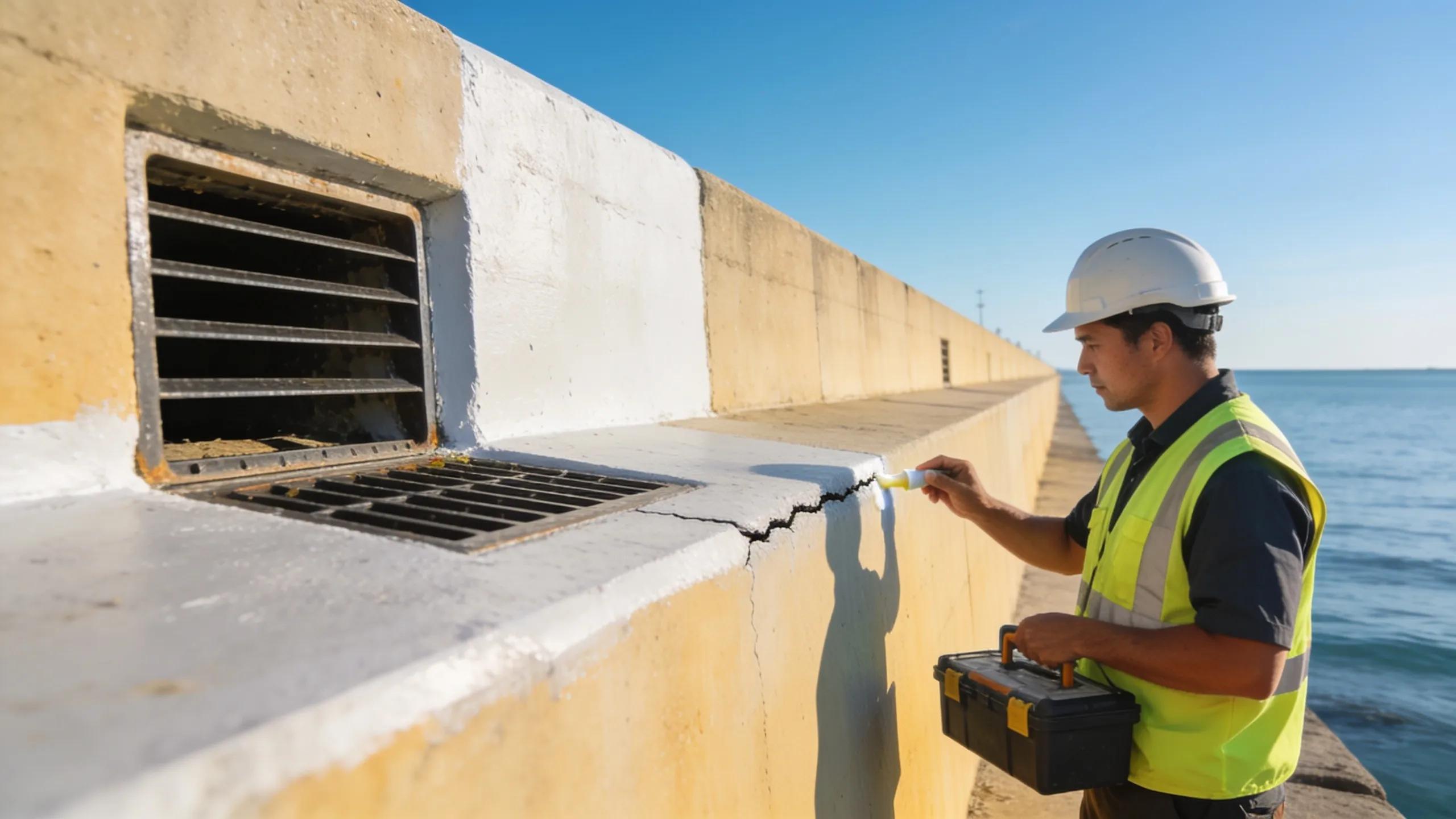
Maintaining a seawall is critical to its function and longevity:
- Regularly inspect for signs of wear or damage.
- Ensure drainage systems are functioning to prevent water accumulation.
- Undertake timely repairs to address minor issues before they escalate.
Through proactive maintenance, property owners can ensure their seawall continues to provide effective protection for years to come, a service expertly provided by LKA Dock Builder.
How Often Should Seawalls Be Inspected and Repaired?
Regular inspections should be performed at least once a year or after significant weather events. This routine helps identify and rectify potential issues, preserving the seawall’s integrity and functionality.
What Are the Common Signs of Seawall Damage and When to Act?
Common indicators of seawall damage include:
- Cracks in the structure
- Misalignment or leaning of the wall
- Erosion or exposure of supporting structures
Immediate action should be taken if these signs are observed to prevent further damage and maintain effectiveness.