
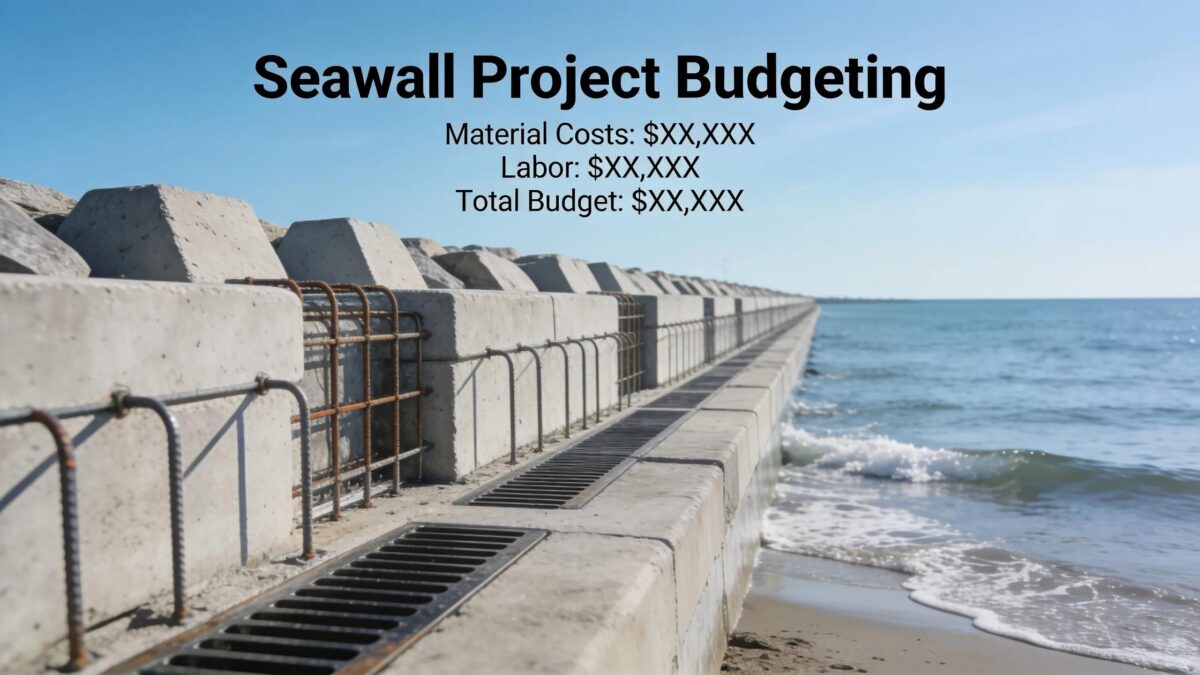
How to Budget for Your Seawall Project: Understanding Seawall Cost Per Linear Foot and Installation Pricing
By LKA Admin, LKA Dock Builder
Budgeting for a seawall project can feel overwhelming due to the variables involved. However, understanding essential pricing factors can simplify the process significantly. In this article, we will explore the necessary steps to create an effective budget for your seawall project. You will learn how to estimate costs per linear foot, what additional expenses may arise, and the unique considerations specific to the Lake Anna area. By addressing these topics, this guide aims to equip you with the knowledge to make informed decisions for your seawall investment.
Cost per Linear Foot
The cost of constructing a seawall is typically measured per linear foot. This measure provides an accessible way to estimate total project costs based on the seawall’s length and material. Generally, costs for different types of seawalls vary significantly.
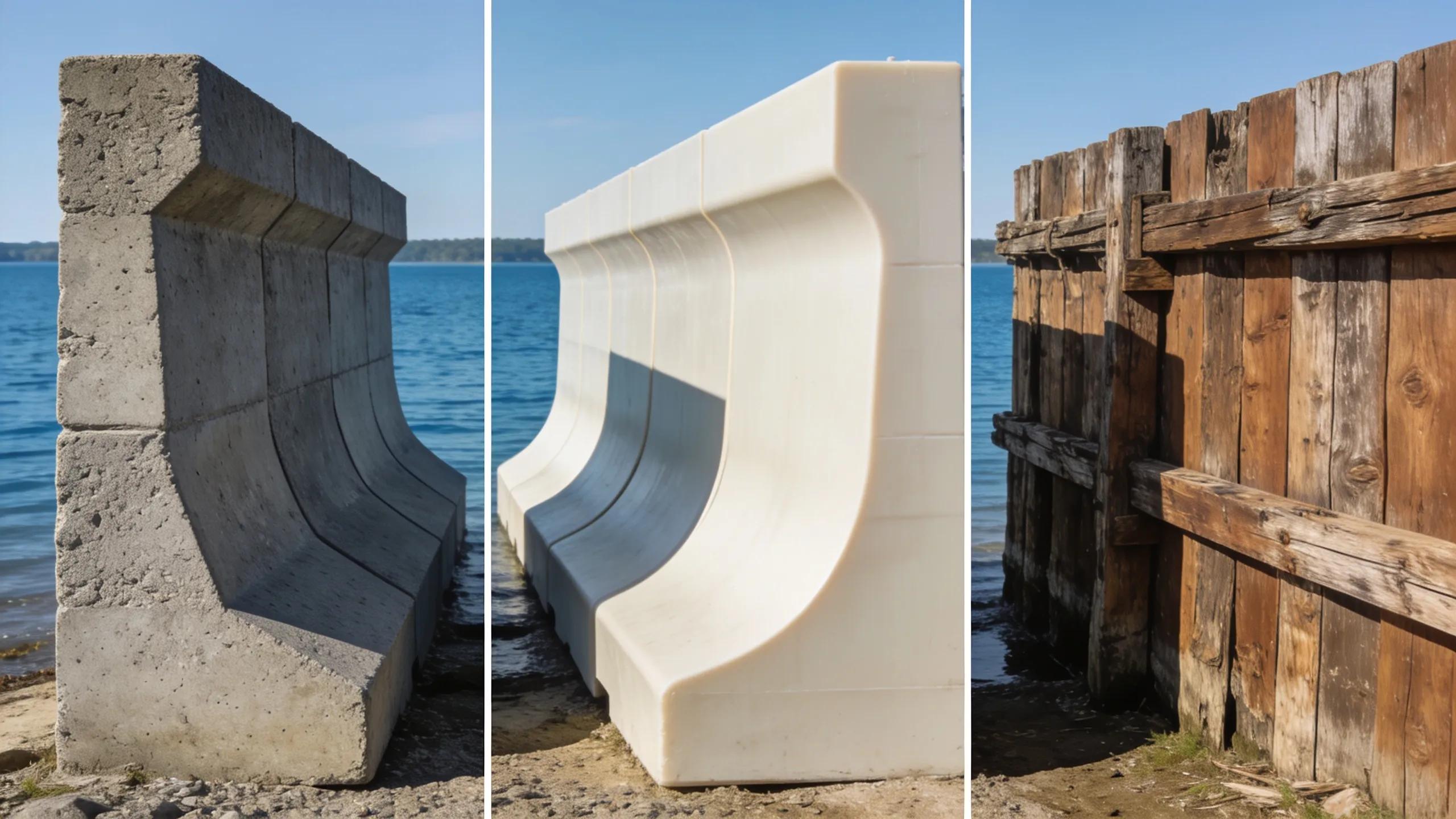
- Concrete Seawalls: Costs range from $200 to $400 per linear foot depending on factors such as height and wall thickness.
- Vinyl Seawalls: These are more affordable with ranges between $100 to $200 per linear foot.
- Timber Seawalls: Expect to pay from $150 to $300 per linear foot based on treatment and design.
Understanding these price ranges can provide a clear framework for your overall budget. For professional assistance and transparent pricing, consider consulting with LKA Dock Builder.
Key Factors Influencing Pricing
Several crucial factors can affect the overall cost of a seawall project. The first factor is the material choice; certain materials may incur higher installation costs but provide long-term benefits. Additionally, the dimensions of the seawall and site conditions will impact expenses. For instance, a challenging installation site could require more intensive labor or specialized equipment, raising your budget further. Moreover, custom design costs can vary based on the aesthetic requirements and structural complexity, so reviewing all aspects carefully is vital.
Potential Additional Expenses
Beyond the primary construction costs, other expenses should factor into your seawall budget. These can include:
- Permitting Fees: Necessary to comply with local regulations.
- Environmental Assessment Costs: Required if the project impacts local ecosystems.
- Maintenance Budgets: Ongoing upkeep is essential for longevity.
By planning for these potential costs, you can maintain better control over your budget and avoid financial surprises.
What Are the Key Factors Influencing Your Seawall Construction Budget?
In the Lake Anna area, several unique factors influence seawall construction budgets. The location significantly impacts material choices, which can lead to price variations. Local labor costs may be influenced by availability and demand, further complicating budget estimations. Additionally, understanding the types of seawall structures permitted in your region is crucial, which can determine material and design decisions.
In What Ways Do Length and Site Conditions Affect Total Project Costs?
The length of the seawall plays a significant role in total project costs. As a general rule, longer seawalls will incur higher overall expenses due to increased material and labor needs. Difficult site conditions, such as rocky soil or areas prone to flooding, can further increase costs. Such factors should be carefully evaluated when creating your budget to ensure that all potential challenges are accounted for.
Which Types of Seawalls Fit Your Budget and Waterfront Needs?
Choosing the right type of seawall involves considering both budget constraints and specific waterfront needs. Different seawalls offer various benefits – concrete seawalls, while more costly, provide durability and longevity. In contrast, vinyl and timber seawalls offer more affordable upfront costs, which may fit within tighter budgets. Evaluating the characteristics of each option will help ensure that your selected seawall meets both your financial and functional requirements.
How Do Waterfront Retaining Wall Budgets Vary by Project Complexity?
The complexity of the seawall project can lead to budget variations. Simple designs may only require basic materials and labor, while complex projects may involve engineering plans, advanced materials, and additional labor costs. To accurately budget for different scenarios, it’s essential to consult with a marine construction specialist who can provide insight tailored to your specific project.
What Permits and Local Regulations Affect Your Seawall Budget Around Lake Anna?
In Lake Anna, various permits and regulations dictate the construction process for seawalls. Understanding the specifics of these regulations can prevent costly delays and fines. Common permits that may be required include construction permits for shoreline modification and environmental permits if your project affects local wildlife. Evaluating the required compliance can save unforeseen expenses as you budget.
How Can Understanding Lake Anna Regulations Prevent Unexpected Costs?
By familiarizing yourself with local regulations, you can effectively navigate the permitting process. Knowing which permits are necessary and ensuring they are secured before starting work can avoid significant delays and potential penalties. Additionally, working with a professional familiar with local rules can streamline the project, ensuring compliance is met from the beginning.
How Do Maintenance, Repairs, and Lifespan Influence Your Long-Term Seawall Budget?
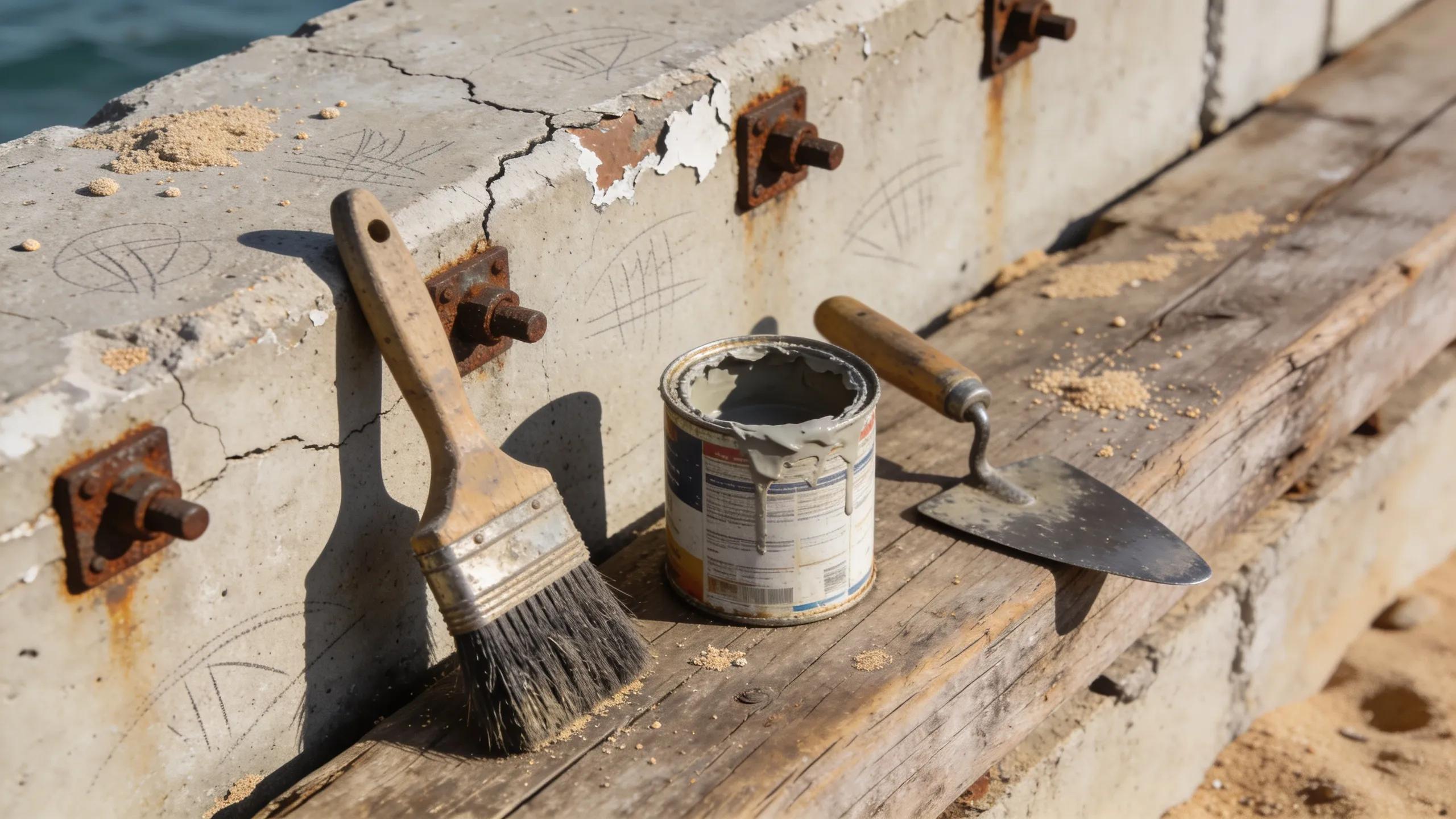
Planning for the long-term upkeep of your seawall is vital in budgeting effectively. Different materials have varying lifespans and maintenance needs, impacting future costs significantly. Concrete seawalls may require less frequent repairs compared to timber options which could require ongoing maintenance due to susceptibility to rot and environmental wear.
How Does Lifespan of Seawall Materials Affect Budgeting for Replacement?
Budgeting for potential replacements requires understanding the expected lifespan of different seawall materials. For instance, concrete may last upwards of 50 years with minimal maintenance, while timber may need a complete overhaul within 15-25 years. Recognizing these differences informs both immediate budgeting and long-term financial planning for property owners.
This table summarizes the varying costs and longevity expectations, aiding homeowners in selecting the right material for their needs.
In conclusion, a well-prepared budget for a seawall project includes understanding material costs, additional expenses, and unique regulatory requirements specific to the Lake Anna region. Engaging with LKA Dock Builder, skilled marine construction professionals, can greatly enhance your project’s success by providing custom solutions, transparent pricing, and expert knowledge of local regulations to optimize your seawall design and installation.