Choosing the Right Materials for Your Dock
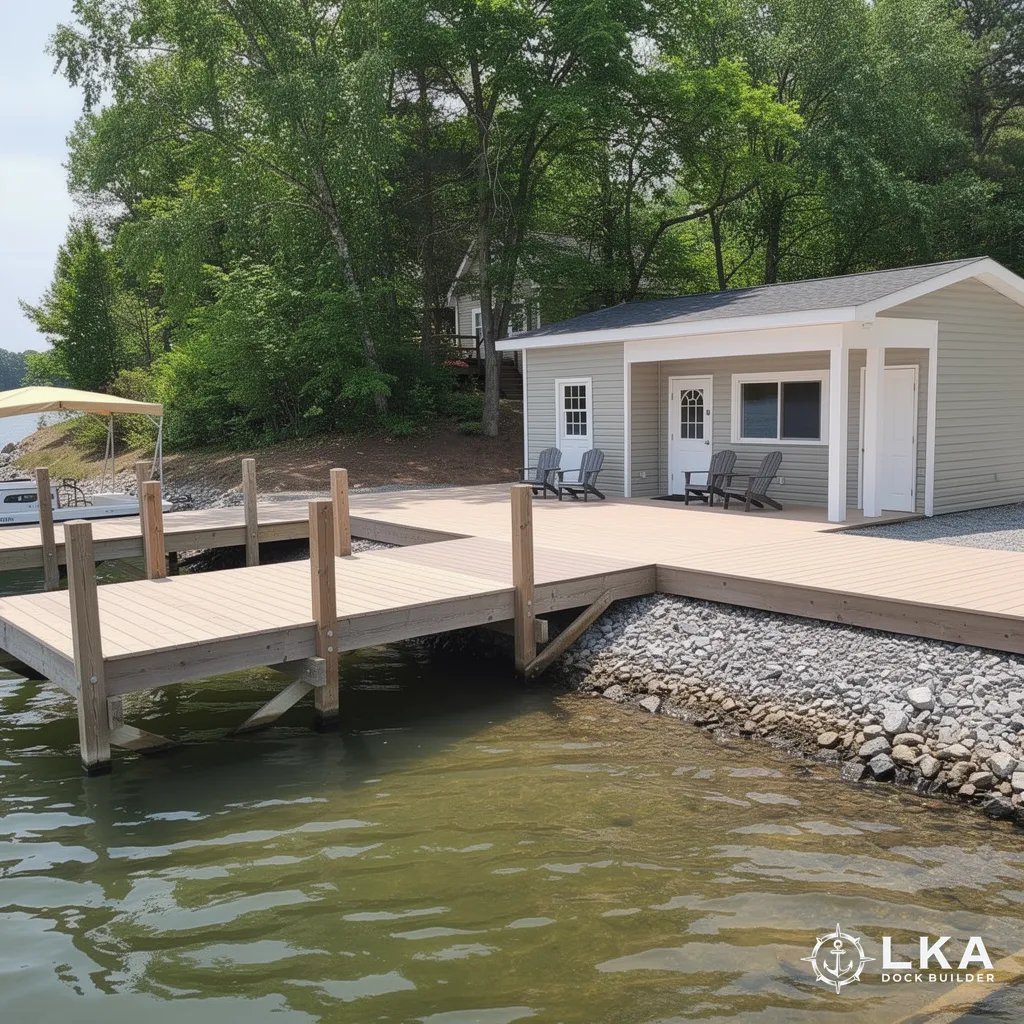
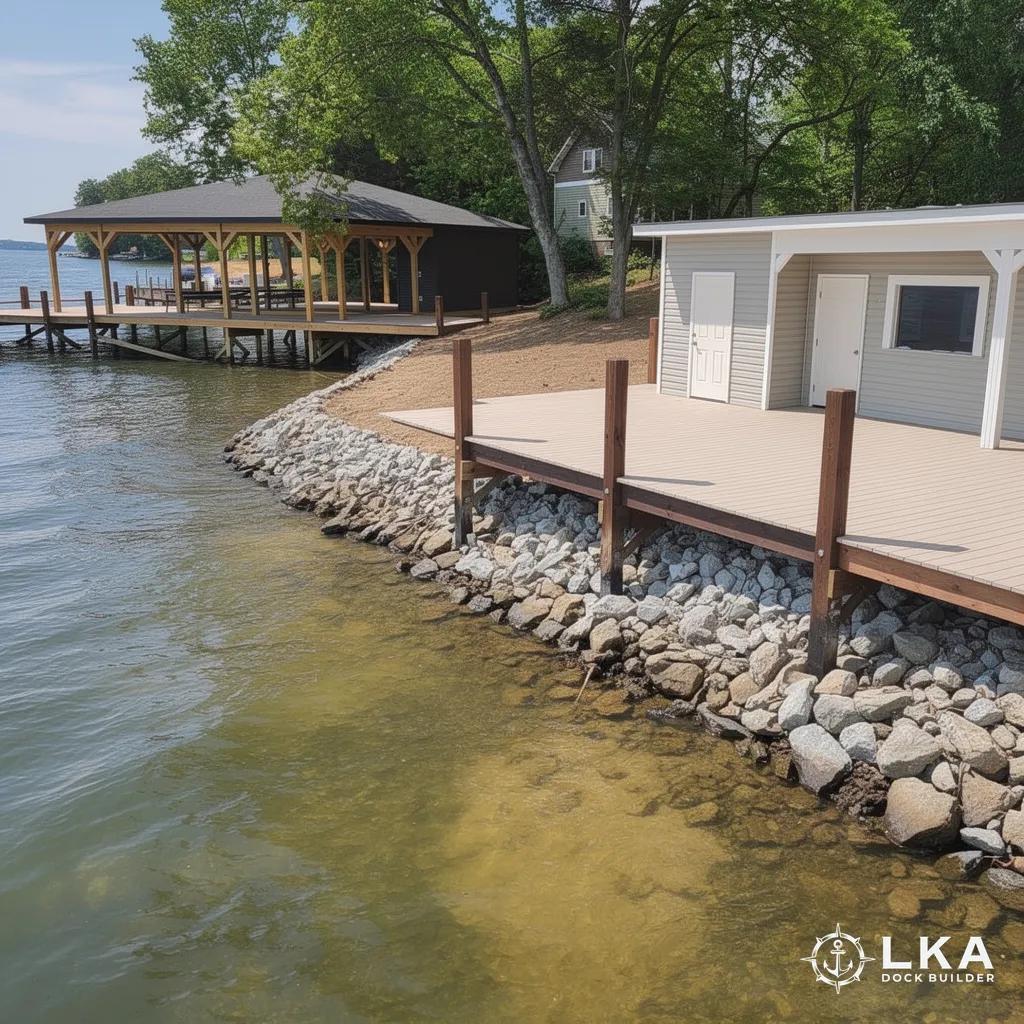
When constructing a dock, selecting the appropriate materials is crucial for durability and aesthetics. Options such as treated lumber, composite materials, and aluminum each offer unique benefits that cater to different needs and budgets.
For instance, treated lumber is a popular choice due to its natural appearance and cost-effectiveness, while composite materials provide enhanced resistance to weathering and require less maintenance. Understanding the pros and cons of each material can help property owners make informed decisions that align with their long-term goals.
Maintenance Tips for Docks and Seawalls
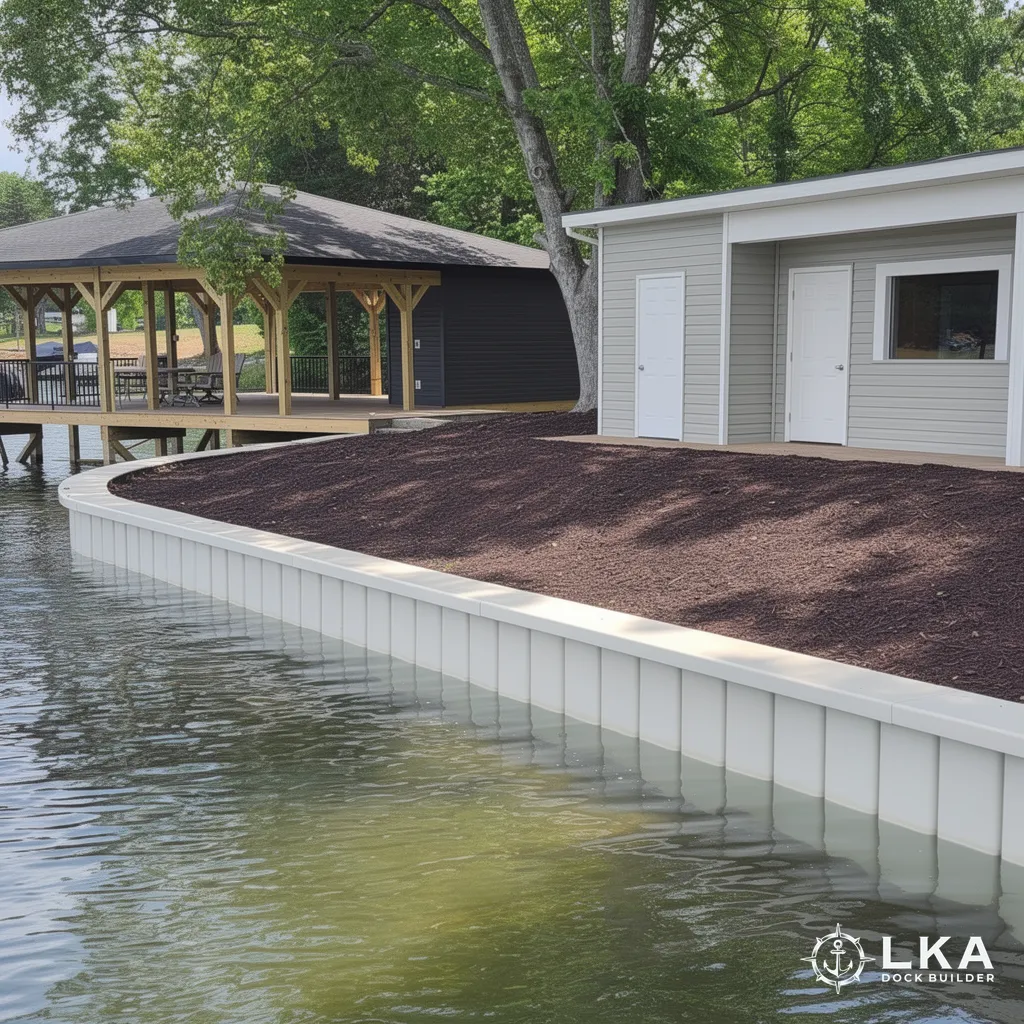
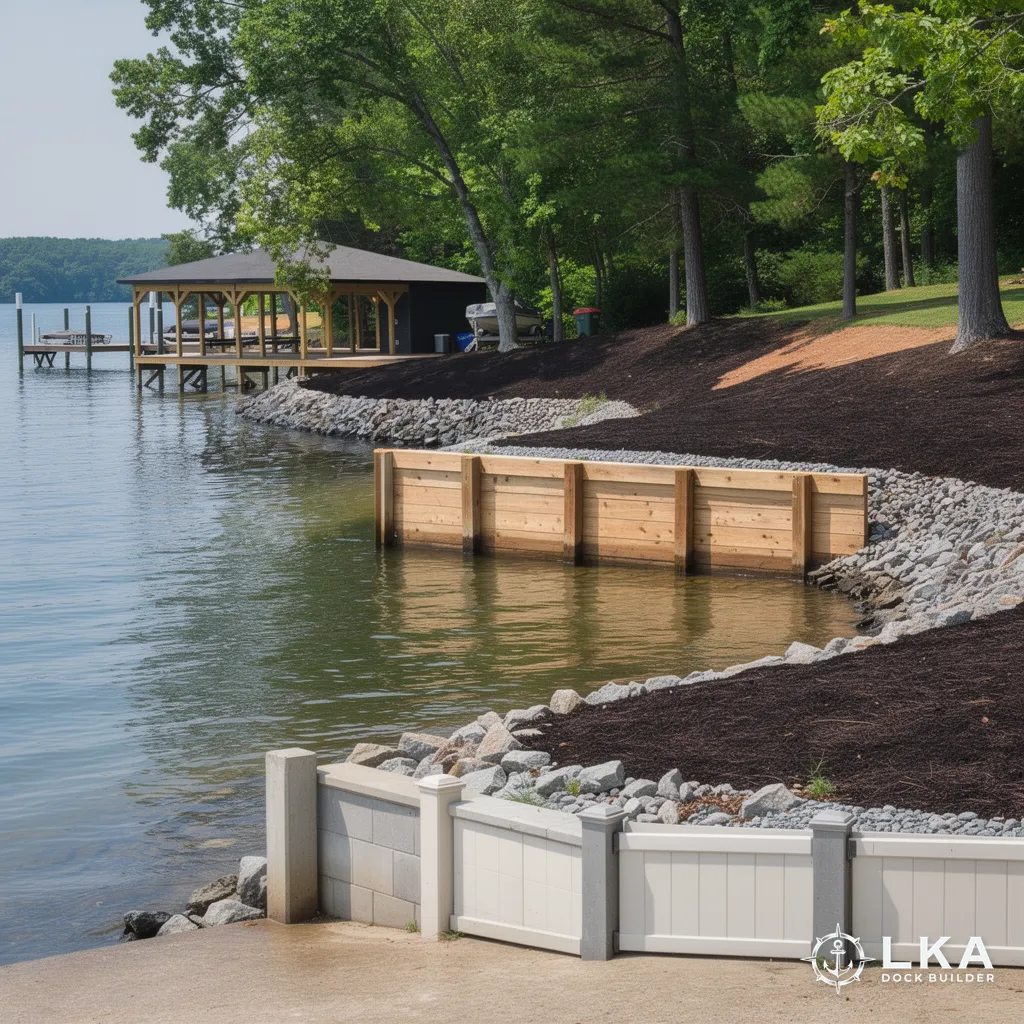
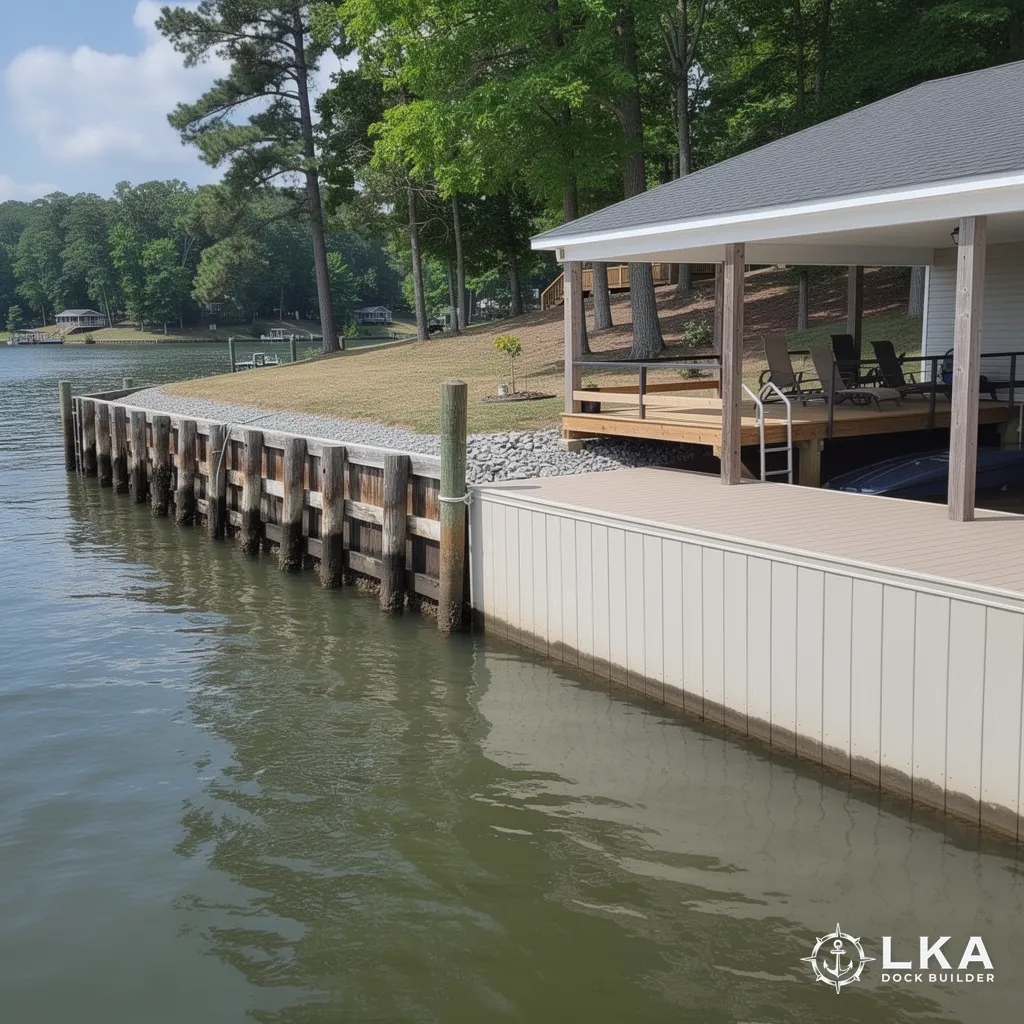
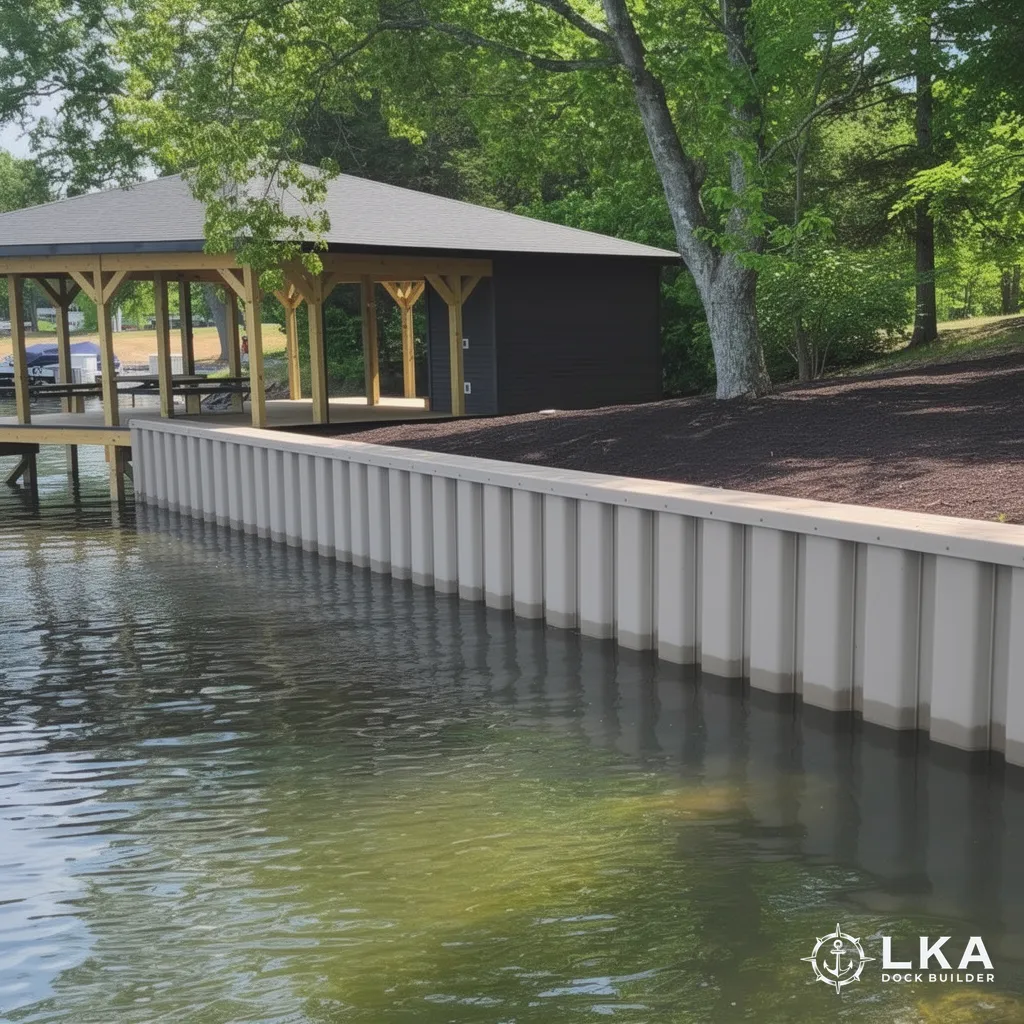
Regular maintenance is essential to extend the lifespan of docks and seawalls. Simple practices such as cleaning debris, inspecting for damage, and applying protective coatings can significantly enhance the structural integrity and appearance of these installations.
For example, seasonal inspections allow homeowners to identify potential issues early, such as rust on metal components or cracks in concrete. Implementing a routine maintenance schedule not only preserves the functionality of the dock but also ensures safety for users.
Environmental Considerations in Dock Construction
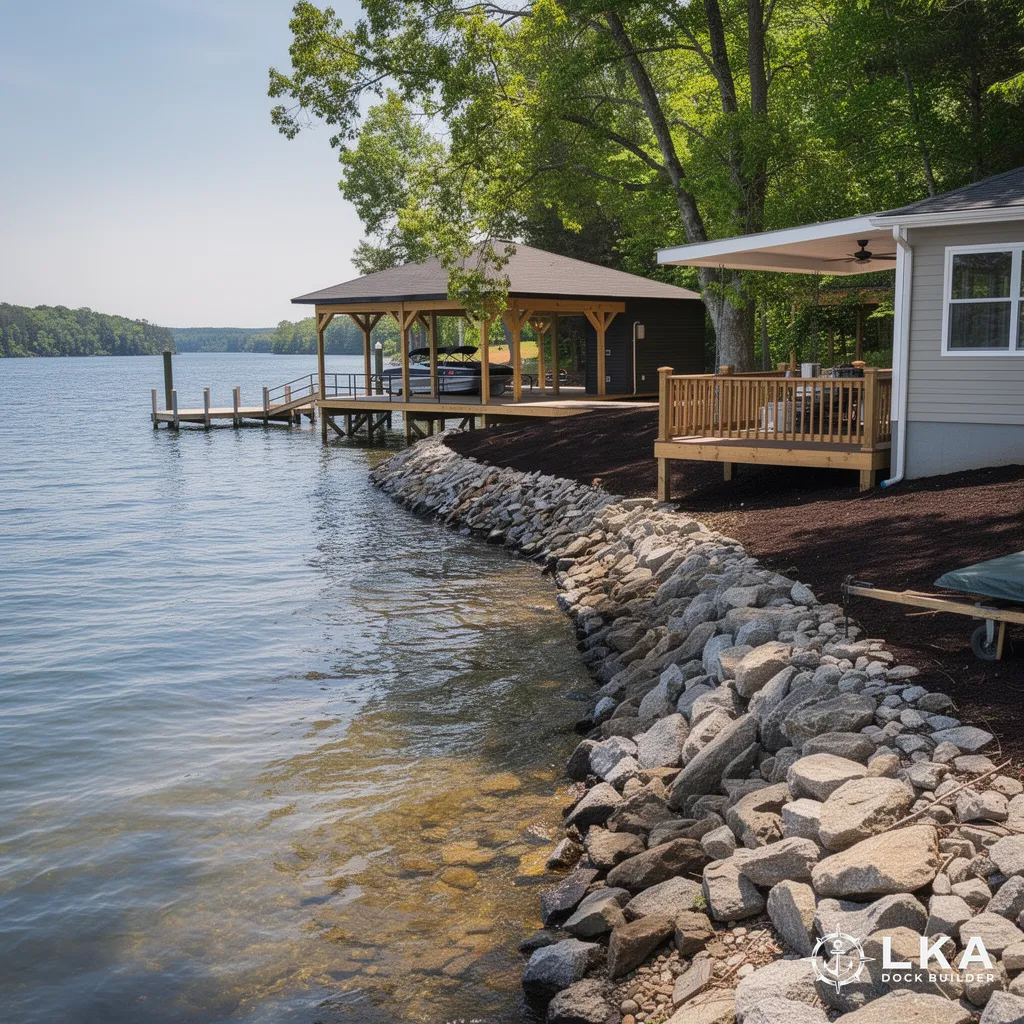
Building a dock requires careful consideration of environmental impacts, especially in sensitive ecosystems like Lake Anna. Adhering to local regulations and best practices can help minimize disruption to wildlife and water quality.
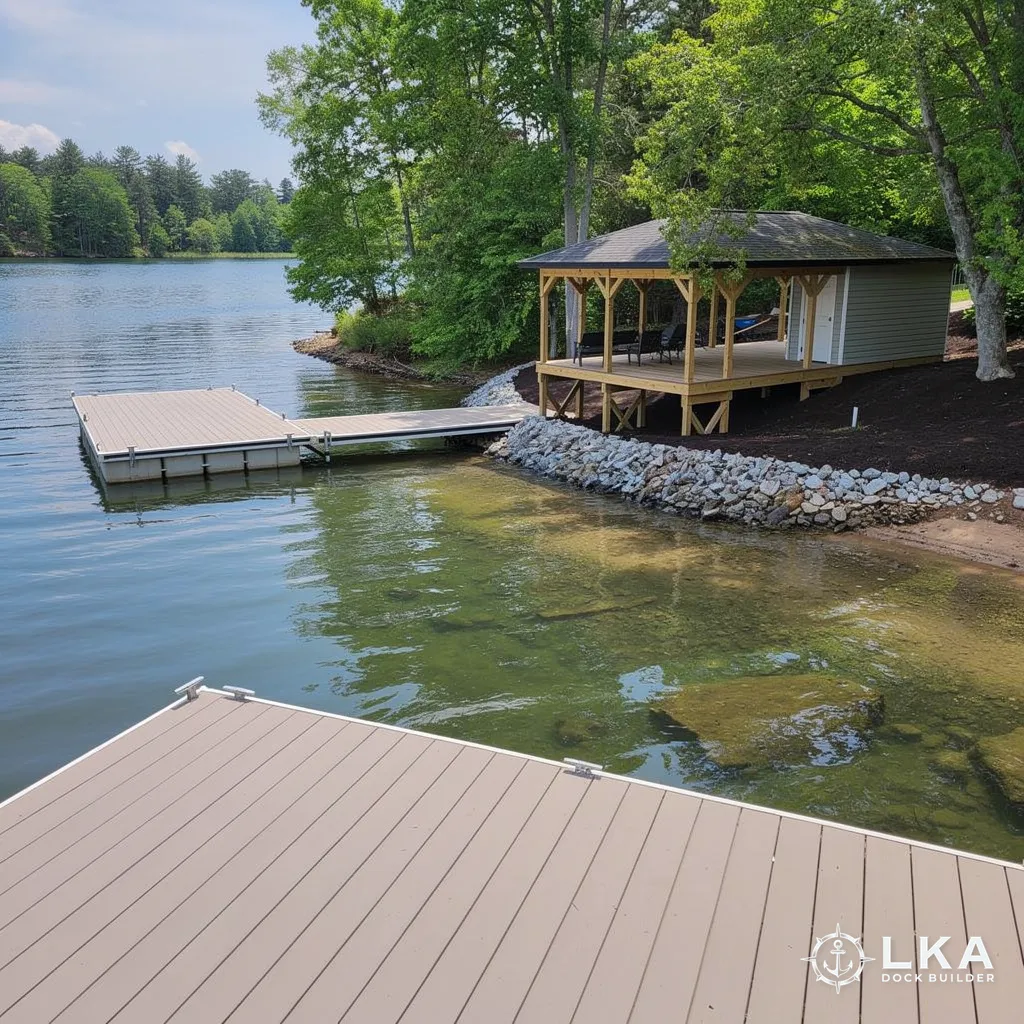
Utilizing eco-friendly materials and designs, such as floating docks or those that allow for natural water flow, can mitigate adverse effects. Additionally, collaborating with local environmental agencies ensures compliance with conservation efforts, promoting a healthier lake environment.
Cost Factors in Dock Construction
Understanding the cost factors involved in dock construction is vital for effective budgeting. Expenses can vary widely based on materials, design complexity, and labor rates, making it essential for property owners to have a clear overview of potential costs.
For instance, a simple wooden dock may cost significantly less than a multi-level composite structure with advanced features. By obtaining detailed estimates and considering long-term value, homeowners can make financial decisions that align with their investment goals.
Choosing the Right Materials for Your Dock
When constructing a dock, selecting the appropriate materials is crucial for durability and aesthetics. Options such as treated lumber, composite materials, and aluminum each offer unique benefits that cater to different needs and budgets.
For instance, treated lumber is a popular choice due to its natural appearance and cost-effectiveness, while composite materials provide enhanced resistance to weathering and require less maintenance. Understanding the pros and cons of each material can help property owners make informed decisions that align with their long-term goals.
Maintenance Tips for Docks and Seawalls
Regular maintenance is essential to extend the lifespan of docks and seawalls. Simple practices such as cleaning debris, inspecting for damage, and applying protective coatings can significantly enhance the structural integrity and appearance of these installations.
For example, seasonal inspections allow homeowners to identify potential issues early, such as rust on metal components or cracks in concrete. Implementing a routine maintenance schedule not only preserves the functionality of the dock but also ensures safety for users.
Environmental Considerations in Dock Construction
Building a dock requires careful consideration of environmental impacts, especially in sensitive ecosystems like Lake Anna. Adhering to local regulations and best practices can help minimize disruption to wildlife and water quality.
Utilizing eco-friendly materials and designs, such as floating docks or those that allow for natural water flow, can mitigate adverse effects. Additionally, collaborating with local environmental agencies ensures compliance with conservation efforts, promoting a healthier lake environment.
Cost Factors in Dock Construction
Understanding the cost factors involved in dock construction is vital for effective budgeting. Expenses can vary widely based on materials, design complexity, and labor rates, making it essential for property owners to have a clear overview of potential costs.
For instance, a simple wooden dock may cost significantly less than a multi-level composite structure with advanced features. By obtaining detailed estimates and considering long-term value, homeowners can make financial decisions that align with their investment goals.