
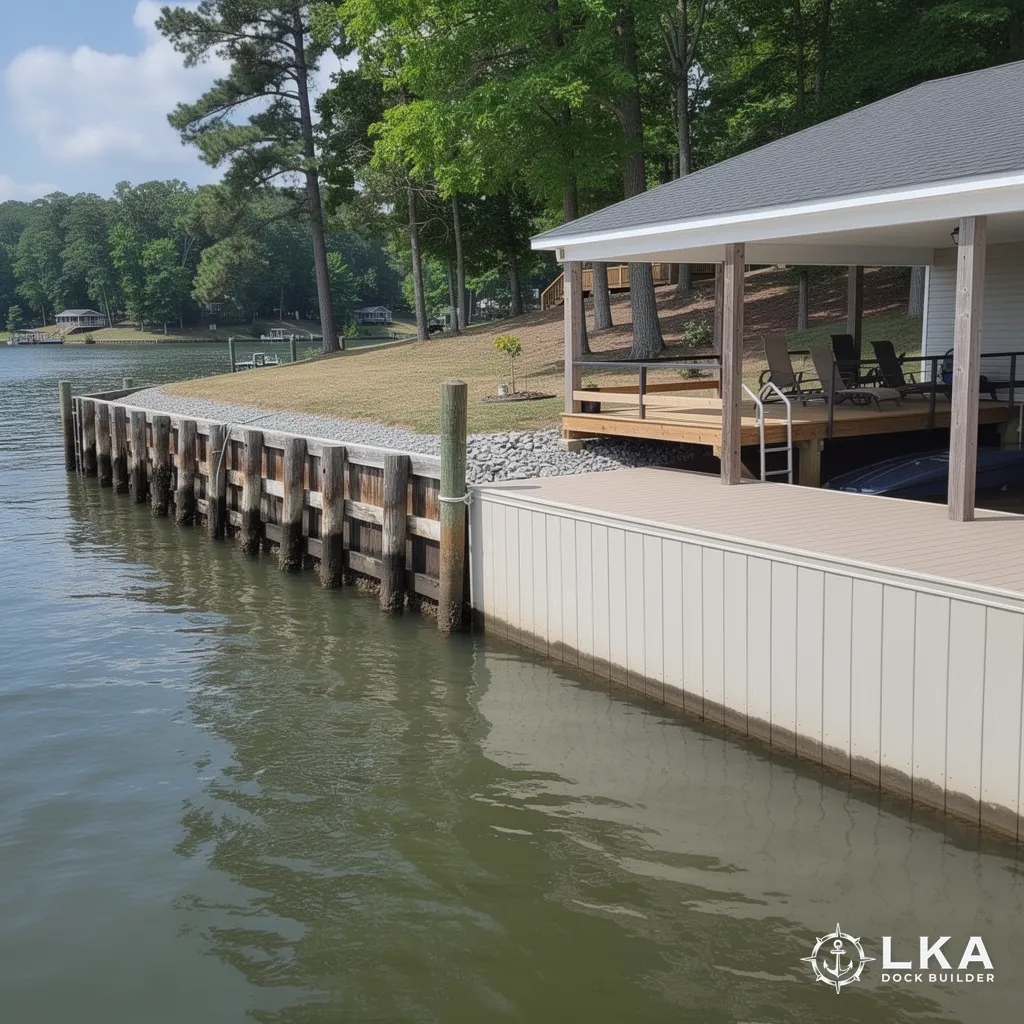
What Are the Common Issues with Traditional Seawalls Compared to Vinyl Seawalls at Lake Anna, VA
Traditional wood seawalls typically require replacement within 10-15 years, while vinyl seawalls can last over 30 years with proper maintenance. LKA Dock Builder in Mineral, VA installs vinyl seawalls that outperform timber in longevity, cost-efficiency, and resistance to Lake Anna’s fluctuating water levels and shoreline erosion.
Cracking, corrosion, and rot plague traditional concrete or timber seawalls under constant saltwater exposure, answering the question of What Are the Common Issues With Traditional Seawalls Compared to Vinyl Seawalls?. Vinyl seawalls resist these failures for long-term coastal protection. LKA Dock Builder, based in Mineral, VA, recommends evaluating shoreline conditions and lifecycle costs before choosing a material.
Traditional concrete seawalls commonly crack, spall, and corrode from wave impact and fluctuating water levels, requiring costly repairs over time. Detailed in Post-Construction Seawall Care: What You Need to Know for Lasting Protection. Vinyl seawalls resist corrosion, rot, and marine borers while handling aggressive waterfront exposure with lower lifecycle costs. Lake Anna property owners comparing materials should weigh shoreline conditions, budget, and long-term durability before selecting a seawall system for their property.
Key Takeaways
- Vinyl seawalls resist saltwater corrosion better than concrete, reducing long-term maintenance costs significantly.
- Concrete seawalls crack from freeze-thaw cycles and require frequent repairs in harsh climates.
- Vinyl materials flex with water pressure changes, preventing structural failure during fluctuating water levels.
- Traditional bulkheads deteriorate faster in saltwater environments, necessitating replacement within 15-20 years typically.
What Problems Plague Traditional Seawalls Over Time?
Constant wave action and water surges attack aging seawalls year after year, wearing down materials that were never designed for infinite exposure. Common issues with traditional seawalls compared to vinyl seawalls center on this slow structural fatigue, plus the rising cost of repairs that follows it. Waterfront homeowners researching replacement options often discover the damage long before a contractor points it out.
Weather patterns have shifted the stakes considerably. Rising water levels and more frequent severe storms now push against seawalls with forces beyond their original engineering specs. Older seawalls may not withstand today’s surges due to changing environmental conditions.
Why Do Older Seawalls Crack and Fail?
Cracking develops as freeze-thaw cycles, saltwater intrusion, and shifting soil pressure work against rigid materials like concrete and timber. Once a crack forms, water infiltrates the gap and accelerates deterioration from the inside out. Homeowners frequently report cracking, corrosion, and unpredictable repair bills as their seawall ages.
What Happens When a Seawall Starts to Fail?
The boundary separating land from lake water begins to blur — literally and figuratively — once a structure weakens. Common failure signs include:
- Visible cracking or bowing along the wall face
- Soil erosion or sinkholes forming behind the structure
- Rusting or rotting at connection points
- Water pooling on the property side after storms
Left unaddressed, these issues compound and shorten the seawall’s remaining service life.
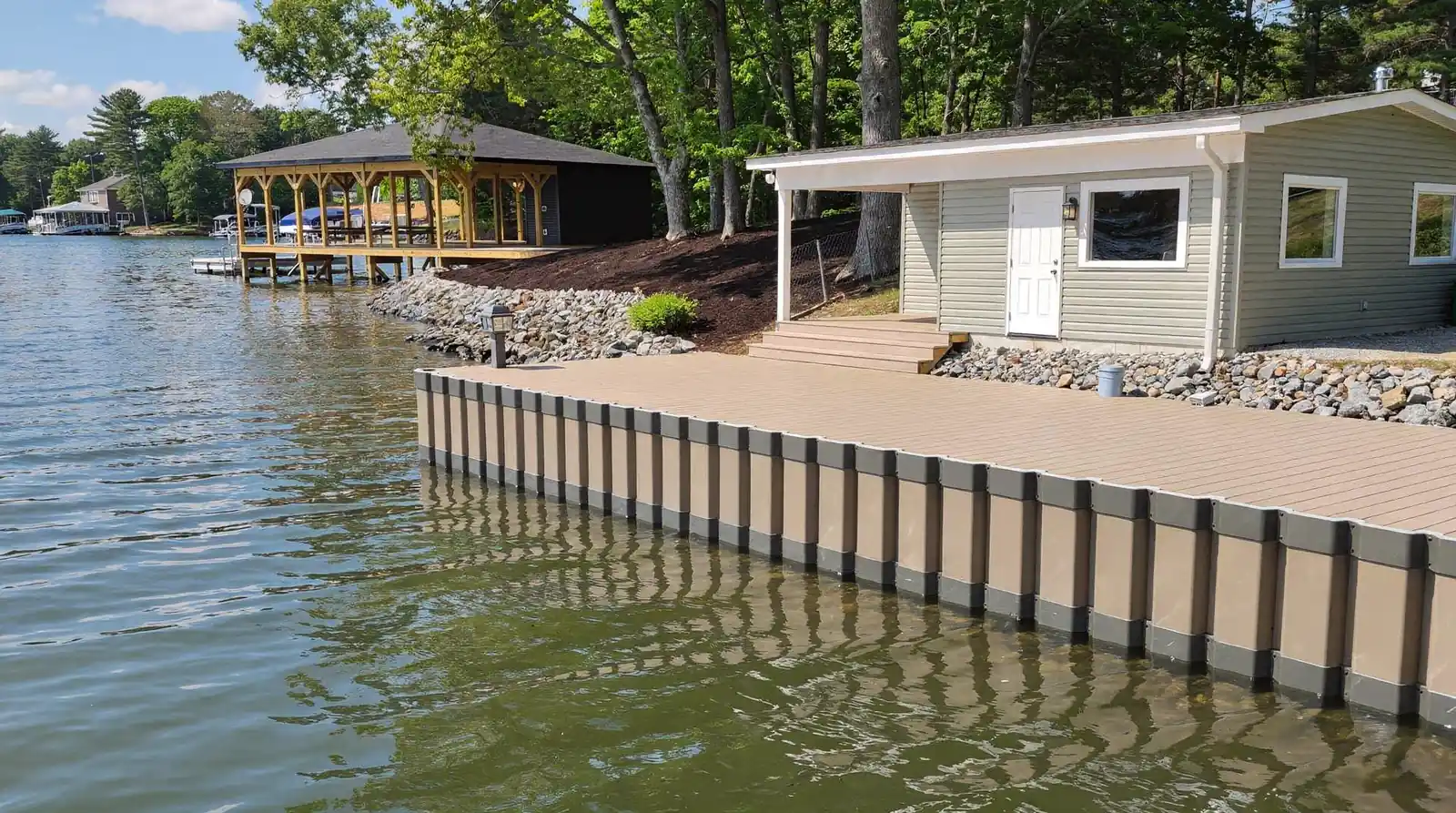
How Do Vinyl Seawalls Solve These Issues?
Vinyl seawalls solve common issues with traditional seawalls compared to vinyl seawalls by standing up to biological. Chemical degradation that eats away at wood and steel over time. Rot, corrosion, and marine borer damage rarely touch a vinyl system, since the material resists the exact breakdown processes that shorten the life of older seawall types. That difference alone changes the maintenance math for waterfront homeowners planning decades of use, not just a few seasons.
LKA Dock Builder pairs that material advantage with construction know-how built for Lake Anna’s shoreline. The team combines premium products like AZEK and Trex with deep shoreline regulation expertise. Every seawall meets both durability standards and local preservation rules. Outlined in What You Need to Know About Virginia Dock Permits.
Does LKA Dock Builder show the design before building it?
Yes. Homeowners see a full 3D design approval before any construction starts. This step confirms fit, placement, and appearance ahead of time, so surprises don’t show up once crews break ground.
Who actually builds the seawall?
Hands-on founders lead every project, bringing 37 years of combined experience to the water’s edge. That experience shows up in laser-straight finishes and meticulous detailing. The kind of precision workmanship that keeps a vinyl seawall performing long after installation day.
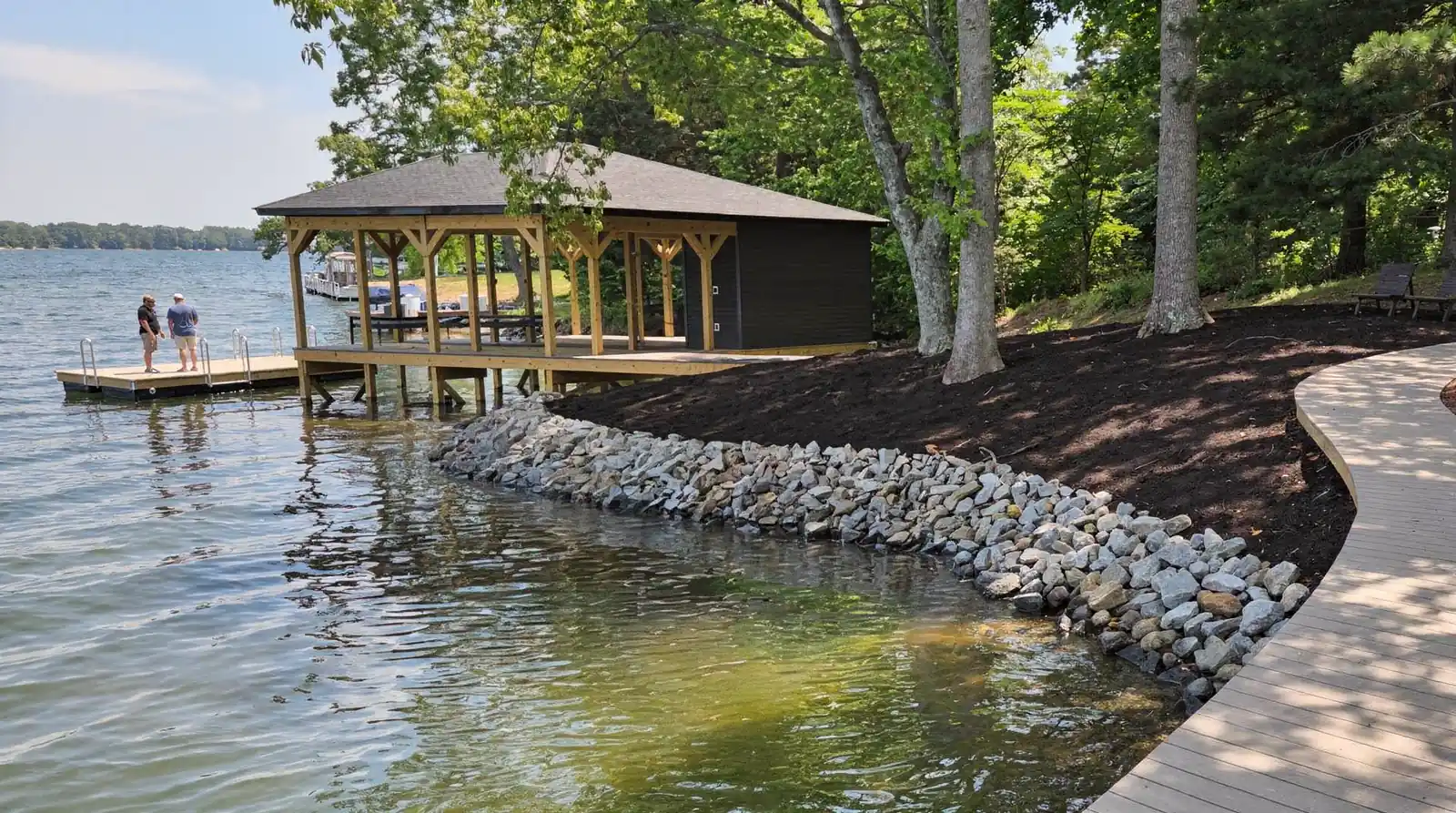
Which Seawall Protects Your Property And Value Best?
A well-built seawall raises both the structural durability and the resale value of a waterfront property, often for decades. cite-1 Property owners weighing materials face a real question about the common issues with traditional seawalls compared to vinyl seawalls: cracking, corrosion, and shorter service life versus resistance to rot and rust. That comparison shapes everything from budget to long-term maintenance.
Costs shift depending on shoreline length, soil conditions, and site access, so no two projects price out the same. Homeowners planning a new installation or replacement benefit from consulting a local dock builder who can walk the property. Talk through goals before locking in a material.
Is the cheapest seawall option the smartest one?
Rarely. The real decision point isn’t the installation invoice — it’s the total cost of ownership across the next fifty years. A traditional wall that needs patching every few storm seasons often costs more over its lifespan than a higher-upfront vinyl system that holds its line.
LKA Dock Builder constructs waterfront structures using top-grade composite and wood materials, matched to each customer’s site and long-term plans:
- Composite systems built for moisture and marine exposure
- Wood construction selected for specific shoreline conditions
- Designs tailored to individual property goals, not one-size-fits-all templates
Choosing between traditional and vinyl seawalls requires weighing durability, maintenance demands, and long-term investment carefully. Both options present distinct advantages and challenges that depend on your specific shoreline conditions and priorities. The expert team at LKA Dock Builder understands these complexities. Brings specialized knowledge of Lake Anna’s unique environment to guide your decision. With proper assessment of your property’s needs, you’ll select a seawall solution that protects your investment and enhances your waterfront for years to come.
FAQ
What common problems affect traditional seawalls?
<answer> Traditional concrete or timber seawalls crack, spall, and corrode from wave impact and fluctuating water levels. They also suffer rot and marine borer damage, leading to costly repairs over time.
How do vinyl seawalls compare to traditional seawalls in durability?
<answer> Vinyl seawalls resist corrosion, rot, and marine borers, handling aggressive waterfront exposure with lower lifecycle costs. They flex with water pressure changes, preventing the structural failure that concrete experiences during fluctuating water levels.
What signs indicate a seawall is starting to fail?
<answer> Failure signs include visible cracking or bowing along the wall face, soil erosion or sinkholes behind the structure, rusting or rotting at connection points, and water pooling on the property side after storms.