Expert Seawall Maintenance for Lasting Waterfront Protection
By LKA Admin, LKA Dock Builder
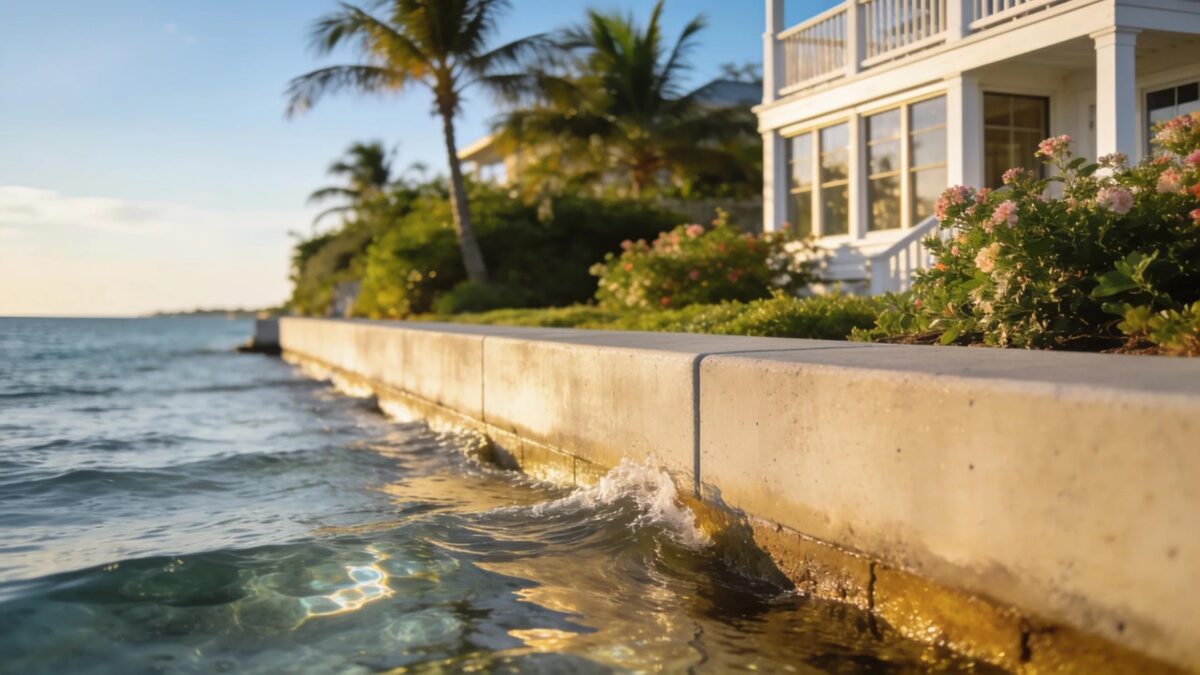
Post-construction seawall care is crucial for ensuring the long-term durability and effectiveness of these structures in protecting waterfront properties. With the right maintenance strategies, property owners can mitigate erosion and structural deterioration caused by environmental factors. In this article, we will explore essential maintenance tips for seawalls, including inspection frequency, signs of erosion, and guidelines for cleaning and protective measures. Furthermore, we’ll discuss seasonal maintenance routines and recommended actions to preserve your seawall’s integrity. Understanding these practices not only safeguards your investment but also enhances the environmental resilience of your property.
Essential Maintenance Tips
Proper seawall maintenance is vital for maximizing longevity and functionality. Key maintenance practices include:
- Regular Inspections: Conduct inspections at least twice a year, focusing more often after severe weather events.
- Cleaning Practices: Clear debris regularly from the seawall to reduce strain on the structure and prevent algae growth.
- Prompt Repairs: Address any signs of damage or wear immediately to prevent further deterioration.
Incorporating these measures into your routine will help maintain the structural integrity of your seawall and protect your waterfront property.
Inspection Frequency
Inspecting your seawall regularly is essential for identifying issues before they escalate. Ideally, property owners should plan to inspect their seawalls at least twice a year. Increased inspection frequency is advisable after severe weather events or significant flooding. By maintaining this schedule, you can catch small problems and address them before they necessitate costly repairs. For advanced insights into effective inspection techniques, consider consulting professional marine construction services.
Signs of Erosion and Deterioration
Several indicators suggest a seawall may be failing or in need of attention. Watch for:
- Visible Cracks or Gaps: This can signify foundational movement and potential failure.
- Significant Erosion Around the Base: Erosion can undermine stability and increase vulnerability to heavy waves.
- Leaning or Tilting of the Seawall: Structural instability often manifests as angled walls or misalignment.
Recognizing these signs early allows for timely interventions that can save money and protect your property.
Inspection Guidelines
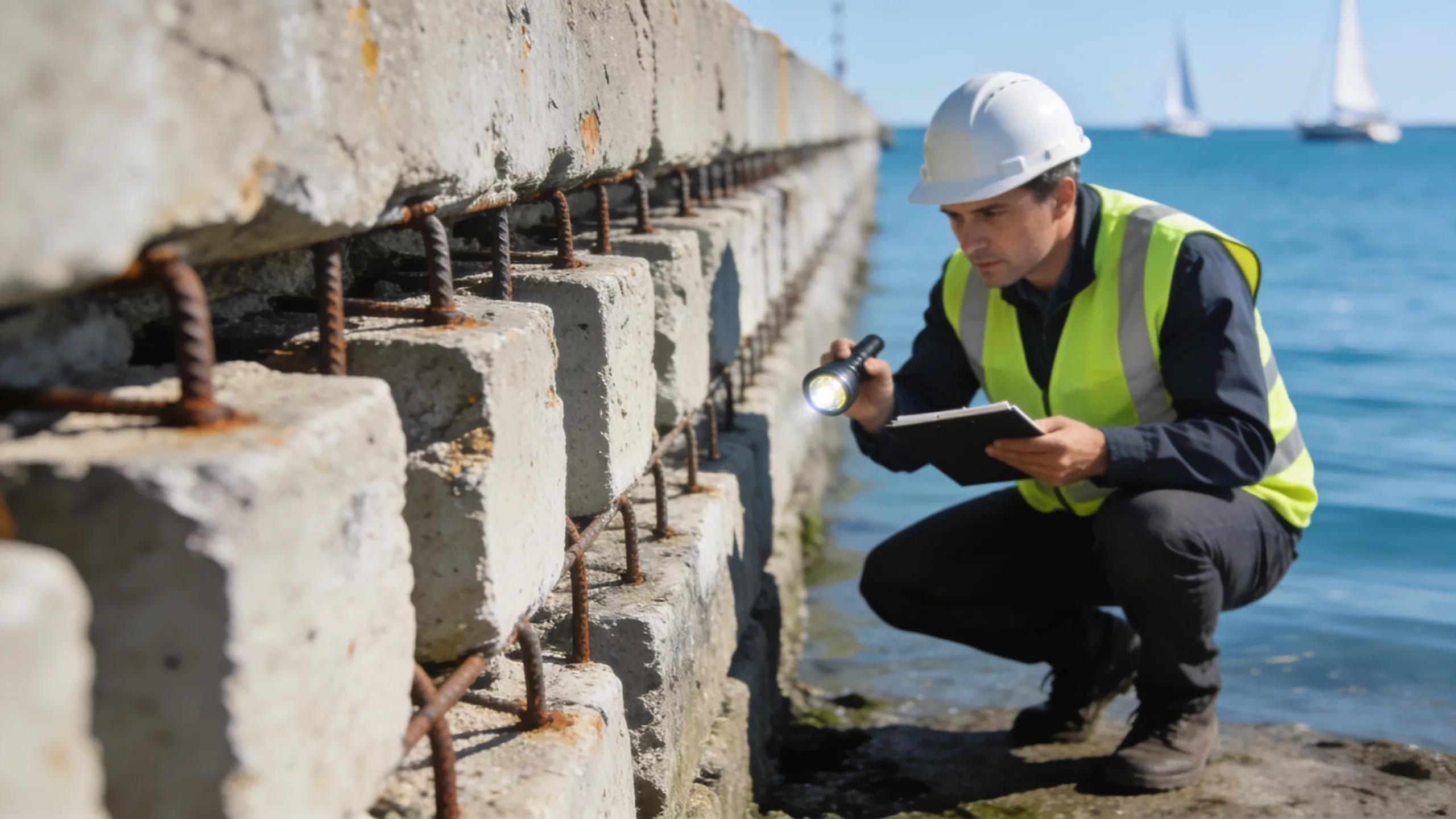
Effectively inspecting your seawall requires a focus on its structural integrity and potentially compromised areas. Key guidelines include:
- Assess Structural Elements: Check for any structural wear or abnormalities.
- Monitor Drainage Systems: Ensure drainage around the seawall is functioning properly to prevent water build-up.
- Look for Signs of Wear: Small cracks or shifting indicate potential problems that need addressing.
Following these guidelines enhances your ability to maintain a robust seawall capable of withstanding environmental stresses.
Cleaning Practices
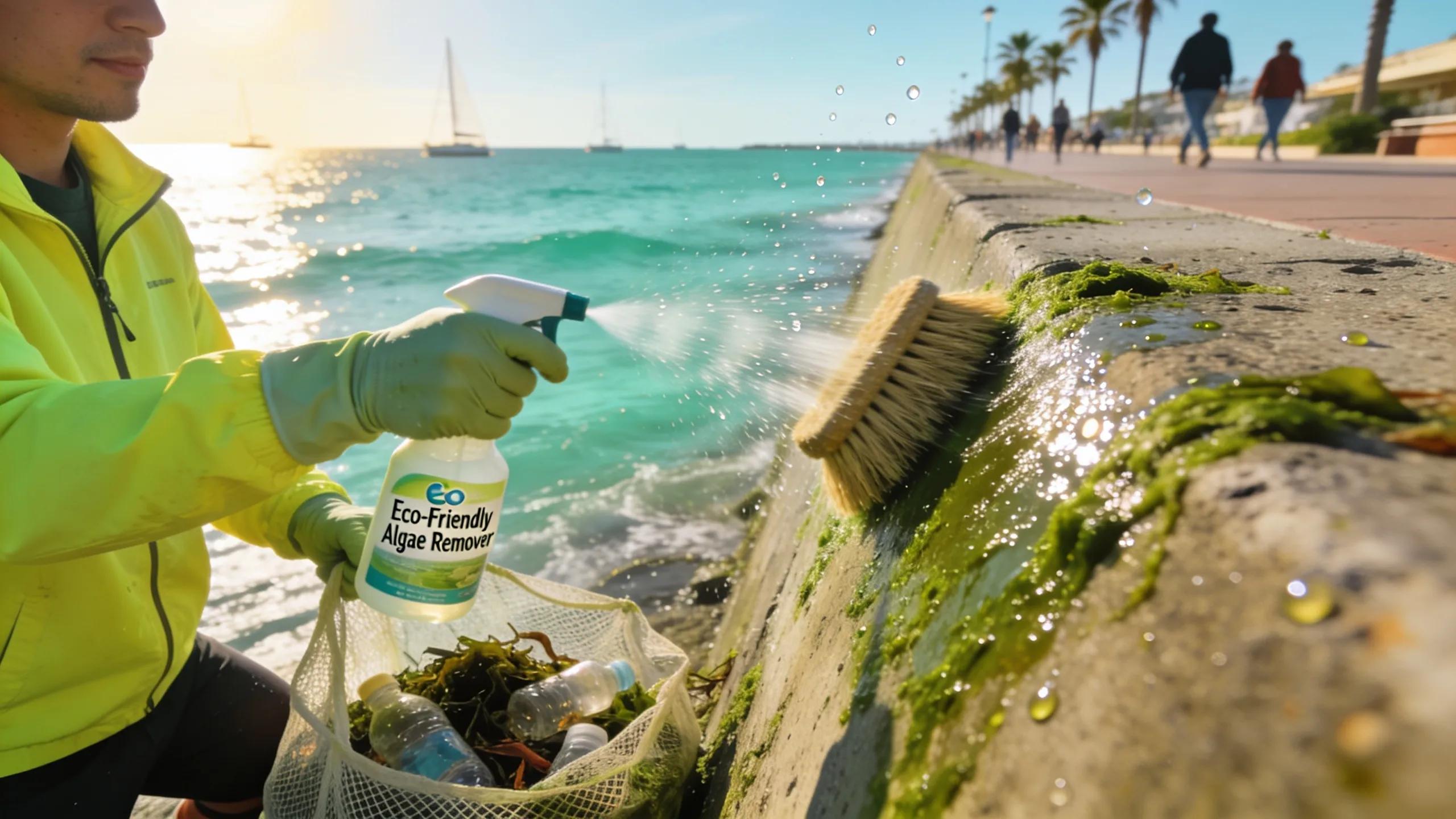
Cleaning your seawall is a straightforward process that can greatly extend its life. Effective cleaning practices involve:
- Removing Debris Regularly: Leaves, rocks, and other debris should be cleared to alleviate pressure on the seawall.
- Using Appropriate Cleaning Solutions: Non-toxic cleaning solutions can help remove algae and other biological growth without harming local ecosystems.
Regular cleaning keeps your seawall looking good while preserving its structural integrity.
Protective Materials
Incorporating protective materials into your seawall maintenance plan can significantly enhance its durability. Suggested approaches include:
- Using Sealants: Applying sealants can protect the seawall from water penetration and reduce the risk of erosion.
- Applying Coatings for Durability: Specialized coatings can help fend off environmental damage from UV rays and saltwater, prolonging the lifespan of the structure.
Utilizing these materials ensures your seawall remains resilient against harsh waterfront conditions.
Seasonal Maintenance Routines
Seasonal maintenance should be a part of your overall seawall care strategy. Here are some recommended practices:
- Spring Inspections Post-Winter: After winter, check for ice damage and clear any debris accumulated during colder months.
- Fall Preparations for Winter: Before winter, ensure that drainage systems are clear and that the seawall is prepared for freeze-thaw cycles.
Adapting your maintenance routine with the seasons helps enhance your seawall’s resilience and effectiveness.
Common Signs of Seawall Erosion and Structural Deterioration
In addition to previous signs, further indications of seawall issues include:
- Standing Water Behind the Wall: Indicates inadequate drainage, leading to increased pressure on the structure.
- Vegetation Growth: Unexpected plant growth may suggest soil movement or instability.
- Pitting on the Seawall Surface: Small pits can develop due to erosion and may indicate the need for immediate attention.
Identifying these supplemental signs can help pinpoint when maintenance is critically needed.
Recommended Actions to Mitigate Damage
Upon observing issues with your seawall, act quickly. Recommended actions include:
- Consult Professional Marine Construction Services: Seeking expert advice can provide tailored solutions to your seawall issues.
- Seal Cracks and Repair Damage Promptly: Addressing issues as soon as they arise can prevent more extensive and costly repairs later.
By being proactive in maintenance, property owners can mitigate potential risks effectively.
How Does a Waterfront Seawall Inspection Guide Ensure Longevity?
A systematic inspection guide plays a crucial role in maintaining the longevity of your seawall. Regular inspections contribute to identifying any structural issues or erosion early on, allowing for timely repairs. Utilizing established guidelines increases efficiency and effectiveness in maintaining your seawall, ensuring it continues to protect your waterfront property for years to come.
What Are the Best Practices for Seawall Cleaning and Erosion Prevention?
Effective cleaning and erosion prevention practices include:
- Implementing Regular Cleaning Schedules: Frequent cleaning can keep the seawall clear of harmful biological growth.
- Utilizing Protective Measures: Utilizing erosion barriers and vegetation strategically can help shield the seawall from wave impacts.
Together, these practices ensure that not only is your seawall clean, but it is also defended against long-term damage.
Which Materials and Techniques Protect Seawalls from Environmental Damage?
Selecting the right materials and techniques for seawall construction is crucial. Options include:
- Durable Materials Based on Local Conditions: Choosing materials that withstand specific environmental challenges will prolong seawall life.
- Implementing Bioengineering Techniques: Natural reinforcements can improve stability while maintaining environmental integrity.
Understanding these strategies enables effective planning for future seawall protection.
How Can Seasonal Maintenance Routines Enhance Seawall Durability?
Seasonal routines are instrumental in enhancing the durability of seawalls. Consistent checks during spring and fall can uncover minor issues before they escalate into major repairs. By actively addressing wear and tear, property owners can significantly extend the functional lifespan of their seawalls.
When Should You Consider Seawall Repair and What Are Your Options?
Being vigilant about your seawall condition is critical. Consider repair when:
- Signs of Severe Damage Become Apparent: Such as extensive cracking or leaning.
- Repair Methods Available Are Varied: Options may include reinforcement, partial replacement, or full structural restoration.
Understanding these factors allows homeowners to make informed decisions regarding seawall maintenance.
What Repair Methods Ensure Structural Integrity and Long-Term Protection?
Repairing seawalls effectively hinges on choosing the right methods. Some approaches include:
- Reinforcing the Existing Structure: This can stabilize areas showing deterioration before they worsen.
- Sealing Cracks Thoroughly: This simple act prevents water intrusion, which can lead to further damage.
Employing these methods will preserve your seawall’s structural integrity and efficacy over time.
How to Choose LKA Dock Builder for Expert Seawall Repair and Upkeep?
Choosing a reputable service for your seawall needs is essential. When considering LKA Dock Builder, evaluate:
- Experience and Specialization: Look for expertise specifically in marine construction.
- Quality of Materials: Ensure high standards in the materials used for repairs.
By engaging with LKA Dock Builder, property owners can leverage localized expertise aimed at preserving their waterfront investments.