
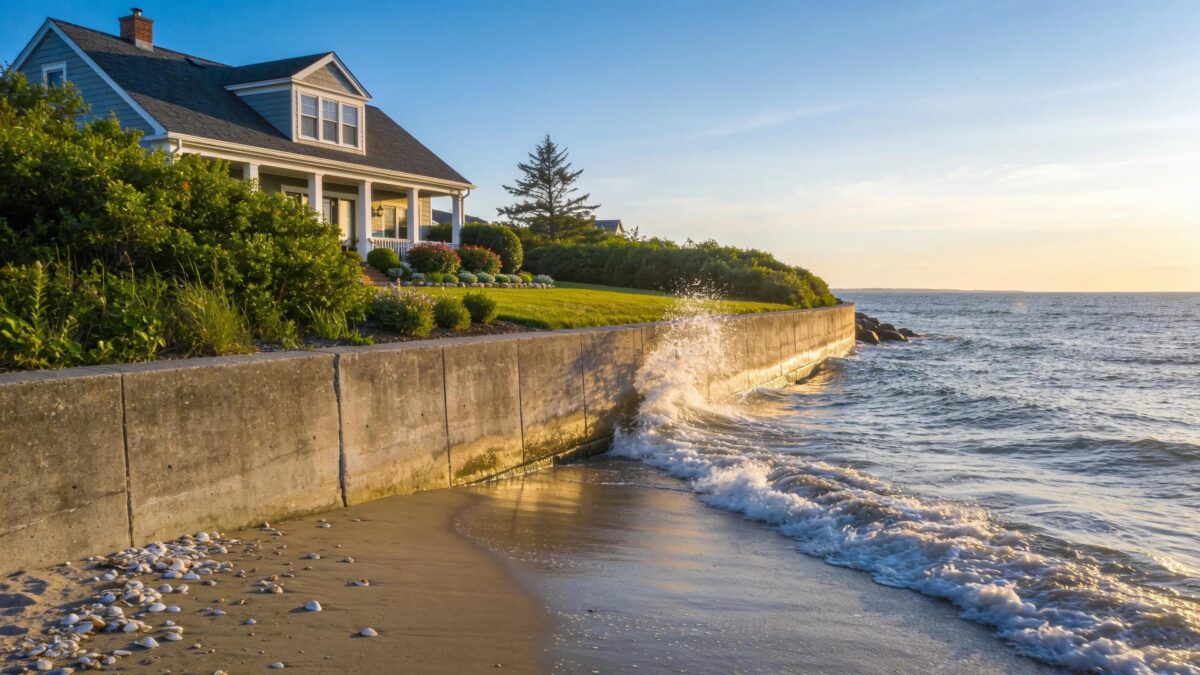
Seawall Advantages for Protecting Coastal Properties: Key Benefits and Expert Insights
By LKA Admin, LKA Dock Builder
Coastal properties face increasing threats from erosion, flooding, and storm damage, making effective protection paramount for homeowners. Seawalls have emerged as a vital solution for safeguarding these valuable assets against the relentless forces of nature. This article explores the multifaceted advantages of seawalls in protecting coastal properties, shedding light on their inherent benefits, mechanisms, and implications for property longevity. Readers will gain insights into how seawalls enhance property value, mitigate flooding risks, and contribute to environmental sustainability. Specifically, the topics covered include erosion protection, property value enhancement, flood mitigation, aesthetic improvements, and compliance with regulations. By understanding these aspects, property owners can make informed decisions regarding coastal property protection.
Erosion Protection
Seawalls serve as formidable barriers against the erosive power of waves and currents, effectively shielding the shoreline from erosion. These structures absorb wave energy, which helps stabilize the surrounding soil and maintain land integrity. By preventing soil loss, seawalls play a crucial role in preserving coastal property boundaries against the natural forces that could otherwise encroach upon them. Their design is tailored to withstand both the force of crashing waves and the gradual wearing effects of water flow, thus serving as a long-term solution for erosion control.
As an important aspect of marine construction, seawalls represent a critical investment for property owners along coastlines. LKA Dock Builder specializes in the construction of custom seawalls in the Lake Anna region, focusing on high-quality craftsmanship and tailored solutions that meet specific client needs for effective erosion protection.
Property Value Enhancement
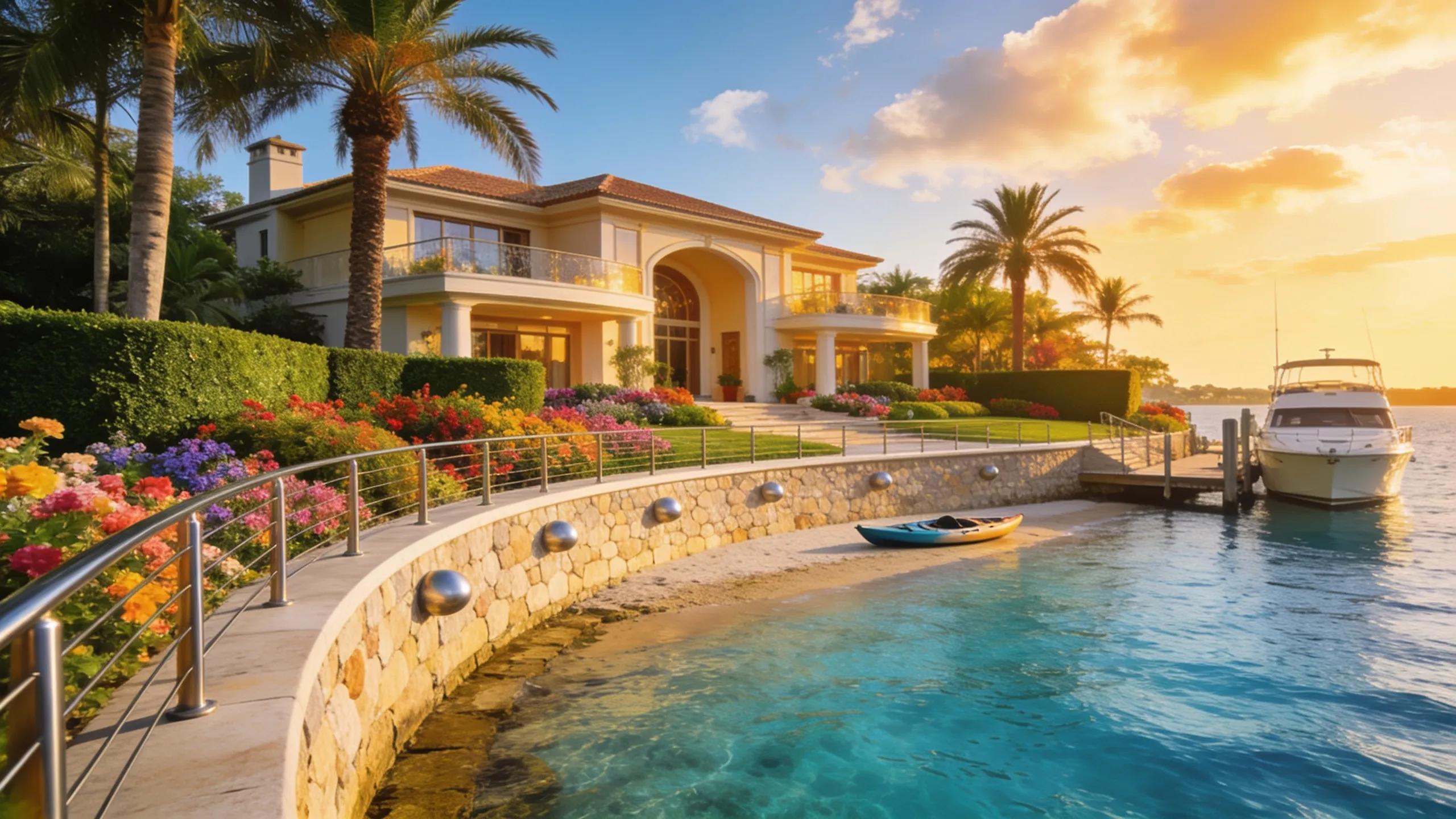
Investing in seawall construction not only protects coastal properties but also enhances their overall market value. Buyers tend to view seawalls as valuable assets that provide assurance against flood risks. This perception can significantly increase a property’s attractiveness in the real estate market, resulting in a higher resale value. Moreover, by improving the aesthetic appeal of waterfront properties, well-designed seawalls can further contribute to property desirability.
The presence of a seawall signals a commitment to maintaining property integrity, which can set a property apart from others in competitive markets. The enhanced curb appeal combined with functional benefits positions properties with seawalls advantageously for potential buyers, contributing to a sustainable and profitable investment.
Flood Mitigation
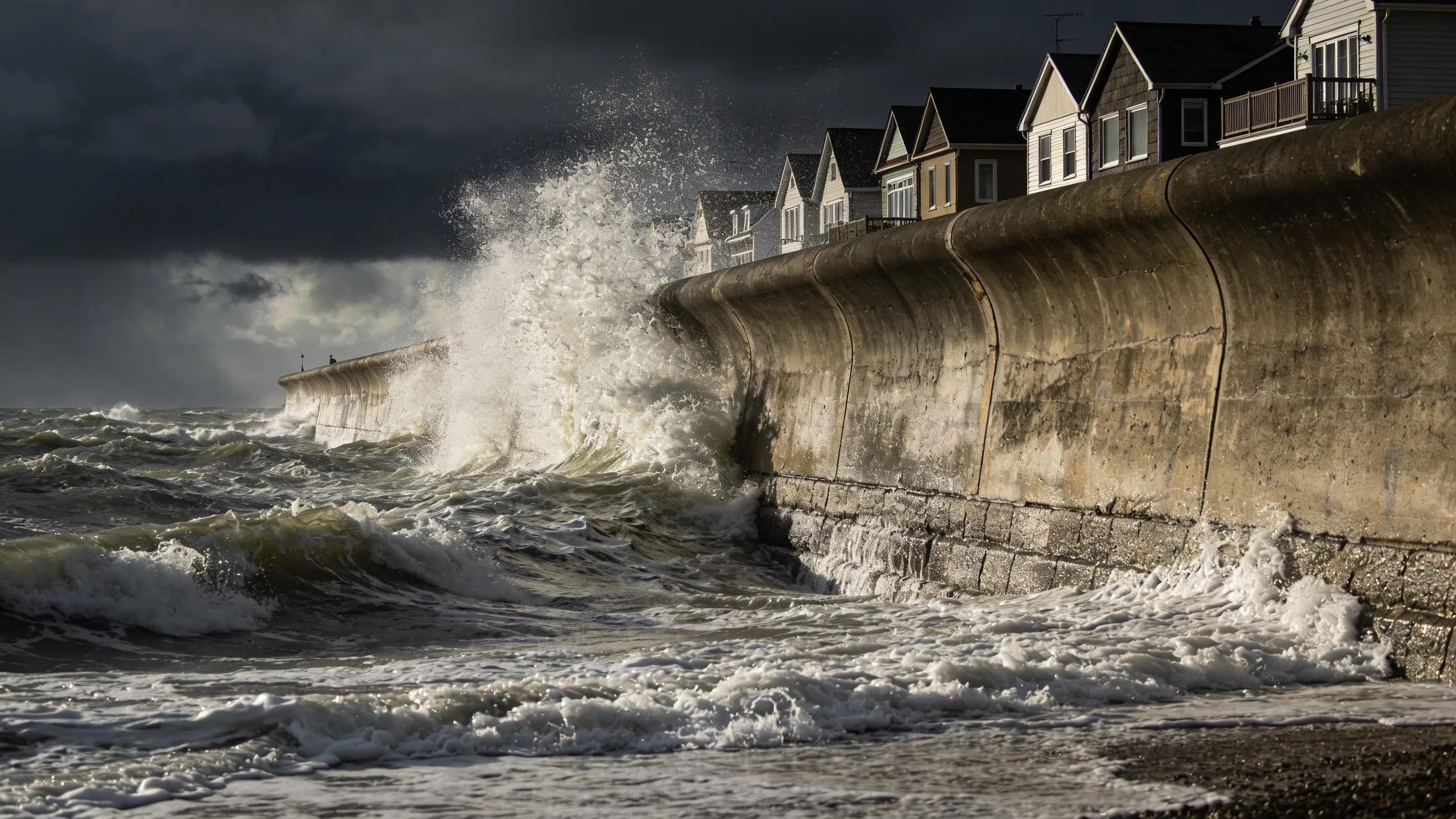
Seawalls play a vital role in flood mitigation by controlling water levels and reducing storm surges. During heavy rainfall or storms, these structures act as barriers that prevent water from inundating nearby properties, effectively reducing the risk of flooding. Their strategic design focuses on directing water away from the shoreline and mitigating the impact of extreme weather events, thereby protecting not just the property but also the surrounding community’s infrastructure.
LKA Dock Builder provides specialist services in seawall construction, ensuring that each installation is designed with flood prevention in mind. Their local expertise and knowledge of the Lake Anna region allow them to meet the specific challenges posed by the area’s unique environmental conditions.
Aesthetic Improvement
In addition to their protective functionalities, seawalls contribute positively to the aesthetic quality of waterfront properties. By incorporating decorative designs and thoughtful landscaping, seawalls can complement the natural beauty of the coastline, enhancing the overall visual appeal of the area. This aesthetic improvement not only benefits property owners but also enhances the enjoyment of the waterfront experience for the wider community.
Homeowners can explore various design options to ensure that their seawall not only serves its protective purpose but also adds to the charm and character of their property. This approach aligns with contemporary trends in coastal property development, where style and substance go hand in hand.
Environmental Impact Mitigation
While seawalls effectively prevent erosion and flooding, they also raise important considerations about environmental impact. These barriers alter natural shorelines, which may impact local ecosystems. It is essential to balance construction practices with environmental considerations; thus, coastal management should evaluate the long-term implications of seawall installations. Alternatives like living shorelines, which integrate natural elements, can also be considered for those looking for eco-friendlier options while still achieving necessary protection.
Hybrid Seawall Systems for Coastal Flood Mitigation and Cost-Effective Design
Coastal areas, essential for human settlement and marine biodiversity, face persistent flood hazards. Integrating vegetation with traditional coastal defense structures, such as seawalls, offers a promising solution for robust and cost-effective flood mitigation. However, optimizing hybrid vegetation-seawall solutions to enhance coastal protection while addressing varying risk tolerances is a challenging task. This study develops a novel framework combining a non-hydrostatic wave model, a data-driven surrogate model, and a multi-objective optimization algorithm to optimize hybrid designs. Results demonstrate that vegetation integration significantly reduces wave impacts, enhancing seawall performance. Optimized designs reveal that higher vegetation area provides greater wave energy dissipation, while vegetation density plays a more nuanced role depending on available space and risk tolerance levels. For critical infrastructure with low-risk tolerance, designs emphasize seawall height and moderate vegetation density, whereas high-risk tolerance prioritizes larger vegetated areas with lower density. The developed framework equips decision-makers to design hybrid systems that balance coastal protection and cost-effectiveness based on their specific objectives and constraints.
Hybrid vegetation-seawall coastal systems for wave hazard reduction: analytics for cost-effective design from optimized features, E Amini, 2025
Longevity and Durability
Seawalls are designed for durability, with lifespans typically ranging from 30 to over 50 years, depending on the materials used and the environmental conditions in which they are built. Regular maintenance significantly extends the longevity of these structures, ensuring they continue to function effectively over time. Understanding the types of materials employed in seawall construction can help property owners make informed decisions about their investments.
What Materials and Construction Methods Ensure Durable Marine Seawall Installation?
The choice of materials for seawalls can vastly influence their durability and effectiveness, with options including concrete, vinyl, and rip rap. Each material offers unique benefits and drawbacks:
By examining these attributes, property owners can select the most suitable option that aligns with their coastal protection needs, aesthetics, and budget.
Compliance with Regulations
Professional seawall construction must adhere to environmental regulations and standards to avoid penalties and ensure safety. Compliance involves assessing local zoning laws, environmental guidelines, and construction standards. Utilizing a specialized contractor ensures that all legal requirements are met throughout the construction process. This consideration is not only vital for legal reasons but also crucial for achieving effective long-term structural performance.
How Do Seawalls Compare to Bulkheads in Protecting Waterfront Properties?
When weighing options for coastal property protection, it’s essential to consider how seawalls stack up against bulkheads. While both serve the purpose of guarding against erosion and flooding, seawalls provide enhanced wave energy absorption—an important feature during severe weather events.
What Are the Key Differences Between Seawalls and Bulkheads?
Seawalls generally extend further into the water and function as active barriers against waves and water intrusion. Bulkheads, however, are often used to retain soil and may not provide the same level of protection against wave action. Each option has distinct benefits depending on the specific needs of the property and surrounding area.
Which Option Offers Better Environmental and Regulatory Compliance?
Regulatory compliance considerations will vary based on the specific structure being installed and the local environmental conditions. Consulting with an experienced contractor like LKA Dock Builder can provide valuable guidance in choosing the most suitable option for both compliance and long-term property protection.