Lake Anna Dock Types: Floating, Stationary & Custom
When considering the ideal dock for your Lake Anna property, understanding the various types available is crucial. Docks serve as essential structures for accessing water, enhancing recreational activities, and increasing property value. This guide will delve into the characteristics, advantages, and considerations of floating, stationary, and custom docks, helping you make an informed decision. Many property owners face challenges in selecting the right dock type that meets their specific needs and environmental conditions. By exploring the unique features of each dock type, you can find a solution that not only fits your lifestyle but also complements the natural beauty of Lake Anna. We will cover floating docks, stationary docks, custom docks, and the key differences between them, along with insights into dock repair services and seawall construction.
Floating Docks
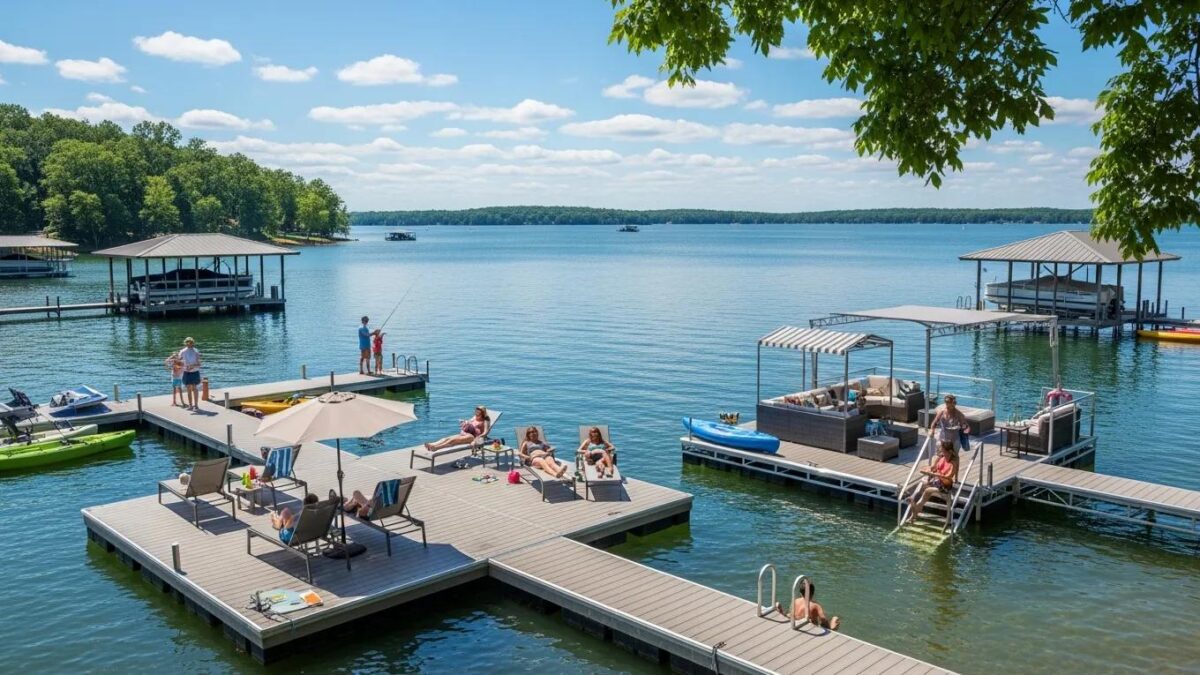
Floating docks are versatile structures that adapt to changing water levels, making them ideal for fluctuating lake conditions. These docks are buoyant and can rise and fall with the water, providing stable access regardless of the lake’s depth. Their design allows for easy installation and removal, which is particularly beneficial for seasonal use. Floating docks also offer safety features, such as built-in flotation devices that enhance stability.
LKA Dock Builder specializes in custom floating dock solutions tailored to your specific needs. With a focus on quality and durability, our floating docks are designed to withstand the unique conditions of Lake Anna, ensuring a reliable and enjoyable experience on the water.
Further research into floating dock systems often involves detailed design and cost analysis, as highlighted by studies on similar projects.
Floating Dock Design: Cost Estimates & Buoyancy Calculations
The purpose of this project is to provide the Land Conservancy of San Luis Obispo with three design options for a floating fishing/boat dock system that they want to build on a small lake located on a plot of land that they own and preserve called Santa Rita Ranch. The design package that I created includes drawings, weight and buoyancy calculations, a cost estimate, and product specs. My approach was to utilize my estimating skills that I have acquired from my construction management classes and from my work at a general contractor’s office in the preconstruction department. The design and cost estimate package was created using BlueBeam and Excel, and it is intended to be a starting point for the Land Conservancy as they plan to build this dock in the near future. The entirety of this project changed a lot from the time of the initial proposal to the time that I delivered the final product. This was due to permitting, weather, and time limitations. This paper will prov
Floating Dock at Santa Rita Ranch: A Design and Cost Estimate Package Prepared for The Land Conservancy of San Luis Obispo, 2023
Stationary Docks
Stationary docks are fixed structures anchored to the lakebed, providing a stable platform for various activities. These docks are known for their durability against harsh weather conditions and require less maintenance compared to floating docks. Their solid construction offers aesthetic appeal and can be designed to blend seamlessly with the surrounding environment.
For property owners looking for a long-lasting solution, LKA Dock Builder offers high-quality stationary docks that are built to last. Our team ensures that each dock is constructed with premium materials, providing both functionality and style for your Lake Anna property.
Custom Docks
Custom docks provide the ultimate flexibility in design, allowing property owners to create a dock that perfectly fits their needs and preferences. These docks can be tailored in size, shape, and materials, maximizing space usage and enhancing the overall aesthetic of your waterfront property. Custom docks also offer future-proofing capabilities, ensuring that your investment remains valuable as your needs evolve.
At LKA Dock Builder, we guide you through the custom dock design process, from initial consultation to final installation. Our expertise ensures that your custom dock not only meets your specifications but also adheres to local regulations and environmental considerations.
What Are the Key Differences Between Floating and Stationary Docks at Lake Anna?
The primary differences between floating and stationary docks lie in their adaptability and stability. Floating docks are designed to rise and fall with water levels, making them ideal for areas with significant fluctuations. In contrast, stationary docks provide a stable platform that remains fixed, offering consistent access regardless of water conditions.
How Do Floating Docks Adapt to Lake Anna’s Water Levels and Conditions?
Floating docks utilize buoyancy to adjust to changing water levels, ensuring that they remain accessible even during periods of drought or heavy rainfall. This adaptability is crucial for maintaining safe access to the water, especially in a dynamic environment like Lake Anna.
What Are the Structural Benefits and Limitations of Stationary Docks?
Stationary docks offer enhanced stability and durability, making them less susceptible to damage from waves and weather. However, they may require more maintenance and can be more challenging to install in areas with varying water depths. Understanding these structural aspects helps property owners make informed decisions based on their specific needs.
Which Materials Ensure Durability and Quality for Lake Anna Dock Construction?
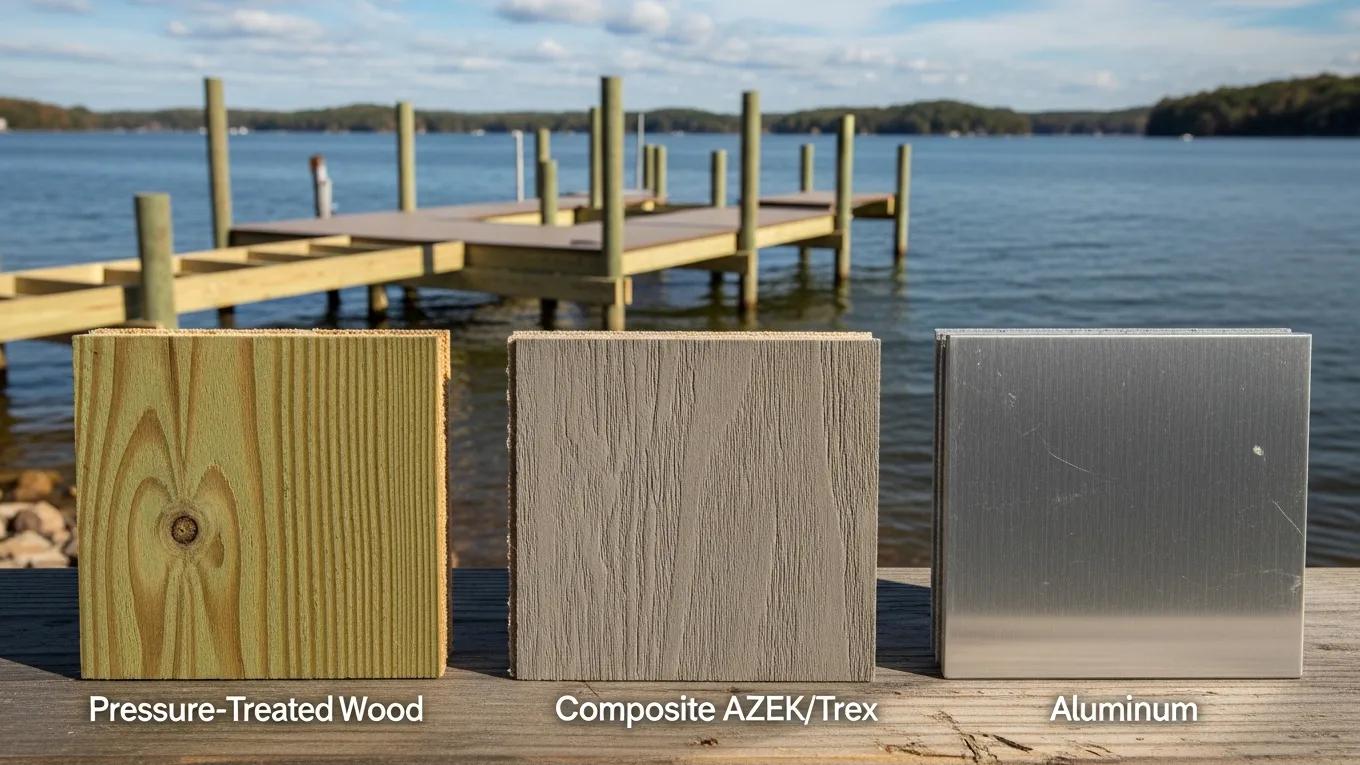
The choice of materials is critical for ensuring the longevity and quality of dock construction. Common materials include pressure-treated wood, aluminum, and composite materials, each offering unique benefits. Pressure-treated wood provides a classic look but may require more maintenance, while aluminum offers durability with minimal upkeep. Composite materials combine the best of both worlds, providing a low-maintenance option that resists weathering.
What High-Grade Materials Are Used in Floating Dock Construction?
Floating docks are typically constructed using high-grade materials such as treated wood, composite decking, and durable plastics. These materials are chosen for their buoyancy, resistance to water damage, and overall longevity, ensuring that your floating dock remains functional and attractive for years to come.
How Do Wood, Aluminum, and Composite Materials Compare for Stationary Docks?
When comparing materials for stationary docks, wood offers a traditional aesthetic but may require regular maintenance to prevent rot. Aluminum is lightweight and resistant to corrosion, making it a popular choice for modern designs. Composite materials provide a blend of durability and low maintenance, making them an excellent option for those seeking longevity without the hassle.
How Does the Custom Dock Design Process Work for Lake Anna Property Owners?
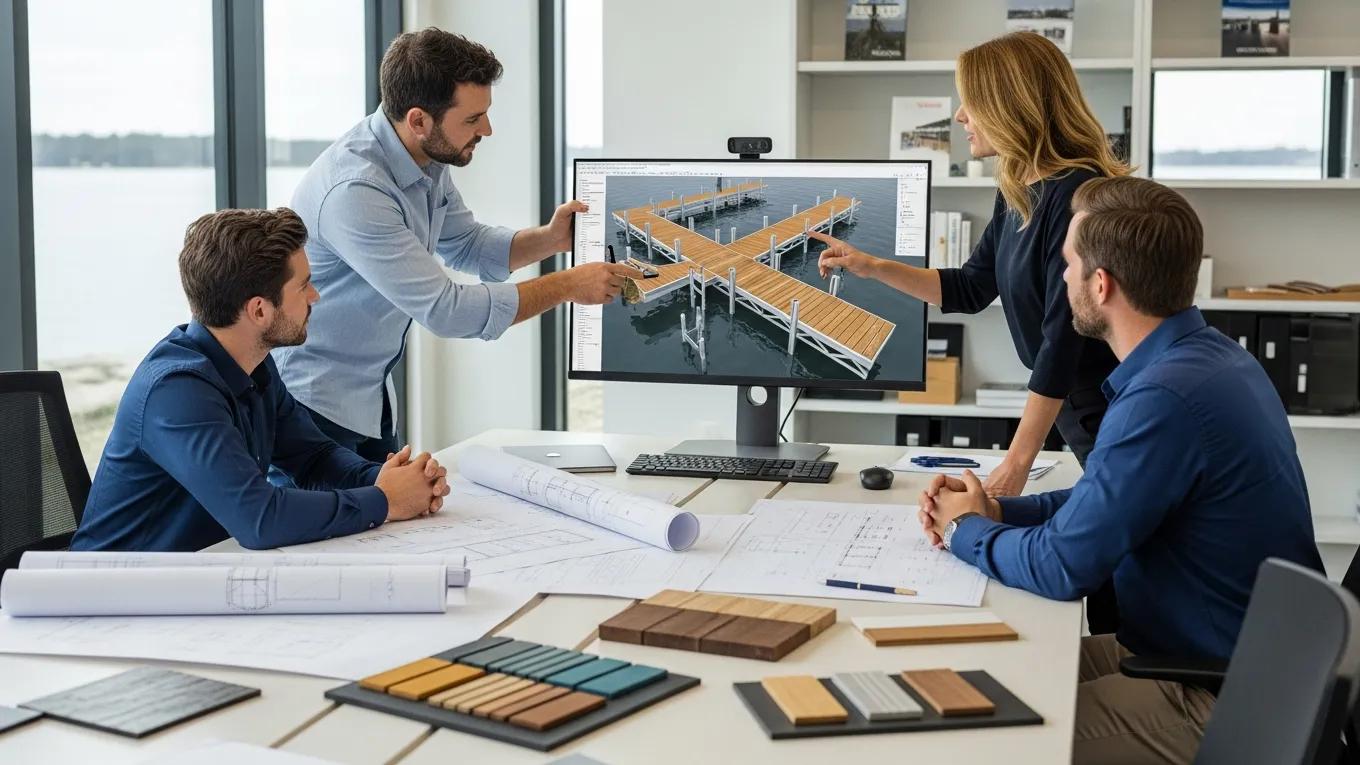
The custom dock design process begins with a consultation to understand your specific needs and preferences. From there, our team at LKA Dock Builder will create a design that maximizes your waterfront space while adhering to local regulations. The process includes obtaining necessary permits, selecting materials, and finalizing the construction timeline.
What Steps Are Involved from Consultation to Installation?
- Consultation: Discuss your needs and preferences with our team.
- Design and Permitting: Create a design and obtain necessary permits.
- Construction and Installation: Build and install your custom dock.
Can You See Examples and Client Stories of Custom Dock Projects?
At LKA Dock Builder, we take pride in our portfolio of successful custom dock projects. Our client stories highlight the diverse designs and solutions we have provided, showcasing how we can transform waterfront properties into functional and beautiful spaces.
What Should You Know About Dock Repair Services and Maintenance at Lake Anna?
Regular maintenance and repair services are essential for ensuring the longevity of your dock. Understanding common issues and how to address them can save you time and money in the long run.
What Are Common Dock Issues and How Are They Addressed?
Common dock issues include cracks in decking, loose hardware, and algae growth. Addressing these problems promptly can prevent more significant damage and extend the life of your dock. Regular inspections and maintenance are key to keeping your dock in optimal condition.
How Does Regular Maintenance Extend Dock Longevity?
Regular maintenance, such as seasonal cleaning and protective coatings, can significantly extend the life of your dock. By investing time in upkeep, you can prevent wear and tear, ensuring that your dock remains safe and functional for years to come.
Why Is Seawall Construction Important for Lake Anna Waterfront Properties?
Seawalls play a crucial role in protecting waterfront properties from erosion and water damage. They enhance property value and provide a barrier against waves and flooding.
What Techniques Ensure Effective Seawall Durability?
Effective seawall construction techniques include proper site preparation, reinforcement methods, and drainage solutions. These techniques ensure that seawalls withstand the test of time and environmental conditions.
What Local Regulations Affect Seawall and Dock Construction?
Local regulations for dock and seawall construction vary by area and may include permitting processes and compliance requirements. It is essential to consult with local authorities to ensure that your construction meets all necessary guidelines.
Understanding the broader ecological implications of dock construction is also crucial for responsible development and adherence to best practices.
Environmental Impacts of Residential Docks & Best Practices
Small docks and floats are common in estuaries and coastal waters worldwide. These structures serve a role in coastal recreation by facilitating access to waterways. However, they can impact shoreline ecological function. While individual environmental impacts are generally minor, increasing dock proliferation and overlap with sensitive coastal resources can result in cumulative impacts that pose threats at the ecosystem level. Docks promote changes in habitat and aquatic communities through alteration of environmental conditions. Here, we review the potential environmental impacts of docks on estuarine and coastal flora and fauna and discuss best management practices (BMPs) to avoid or minimize such impacts with a focus on New England. We consider impacts in relation to the structural components of docks: the piles, decking, and floats. Potential environmental impacts depend on structure size, design, and location, and can include both short-term (e.g., turbidity from pile installation) and long-term (e.g., salt marsh loss from chronic shading) effects. Such effects can be minimized through BMPs (e.g., construction outside sensitive time-of-year periods, designs to reduce shading).
A review of habitat impacts from residential docks and recommended best management practices with an emphasis on the northeastern United States, JM Logan, 2022
What Are the Typical Costs, Permits, and Timelines for Dock Projects at Lake Anna?
Understanding the costs, permits, and timelines associated with dock projects is vital for planning your investment.
How Much Does a Custom Floating or Stationary Dock Cost?
The cost of a custom dock can vary significantly based on materials, size, and design complexity. On average, floating docks may range from $15,000 to $30,000, while stationary docks can cost between $10,000 and $25,000, depending on the specifications.
What Permits Are Required and How Long Does Installation Take?
Permits for dock construction typically include environmental assessments and local building permits. The installation timeline can range from 4 to 8 weeks, depending on the complexity of the project and permitting processes.