
What Are the Common Issues with Poorly Built Docks at Lake Anna That I Should Avoid
Common dock problems include rotting wood, loose fasteners, and unstable pilings caused by low-grade materials and improper installation. LKA Dock Builder in Mineral, VA uses marine-grade hardware, treated lumber, and properly anchored pilings to enhance durability and safety.
Poorly built docks at Lake Anna commonly suffer from loose connections, uneven decking, and inadequate shoreline anchoring, all worsened by fluctuating water levels and weather exposure. Small issues, left unaddressed, escalate into costly structural failures. Prevention requires quality materials, proper engineering, and licensed construction—hallmarks of LKA Dock Builder’s custom docks, boathouses, and shoreline stabilization work across Louisa, Mineral, Spotsylvania, and Orange counties.
Key Takeaways
- Docks exposed to water, weather, and seasonal changes develop problems despite quality initial construction.
- Floating docks adjust naturally with water level changes and withstand frequent movement without damage.
- Poor dock construction fails under constant exposure to environmental stress and operational demands.
- LKA Dock Builder in Mineral, VA prevents common dock failures through professional installation methods.
What Structural Issues Signal a Poorly Built Dock?
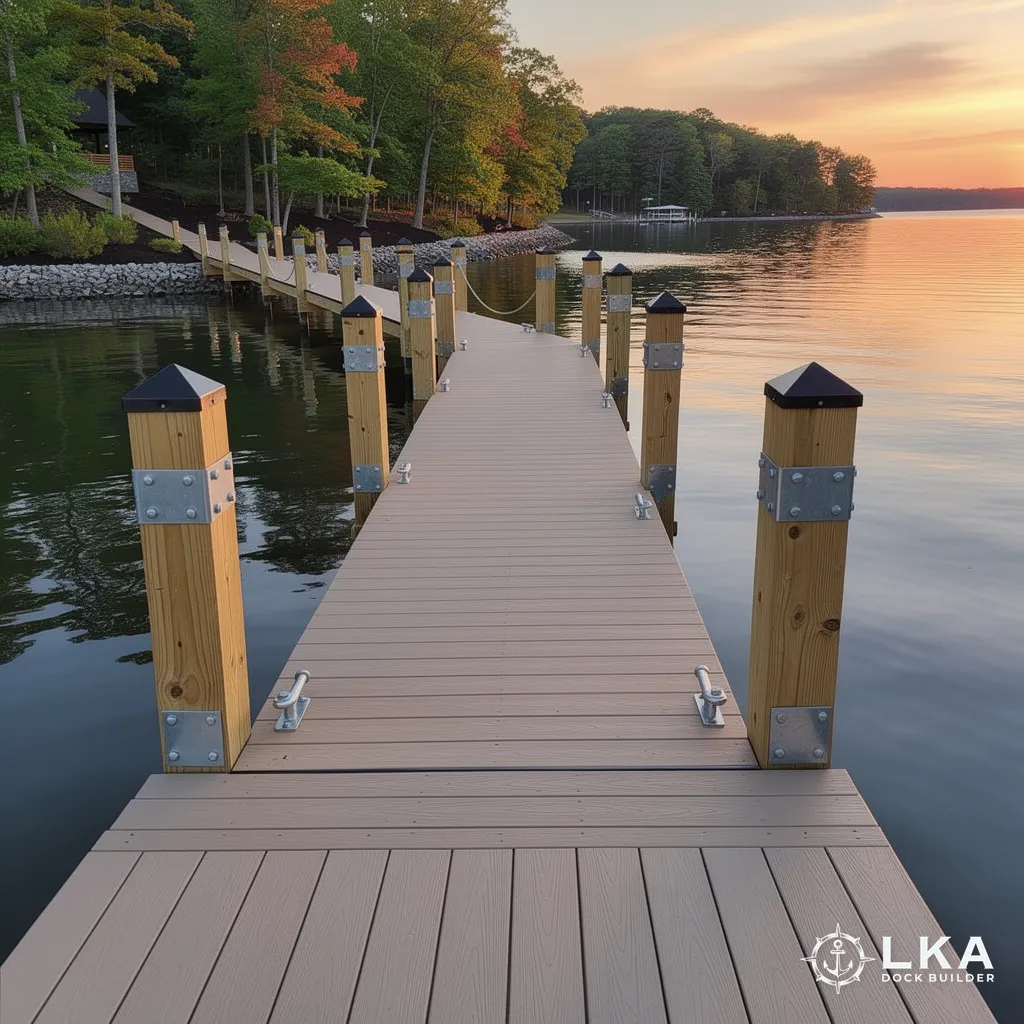
Wobbly posts, uneven decking, and shifting connections signal a poorly built dock long before a full collapse occurs. Lake Anna’s water levels, wind exposure, and seasonal freeze-thaw cycles put real stress on every joint and post. These dock construction mistakes—wrong materials or shortcuts in framing—leave a structure unable to absorb that stress the way a well-engineered dock can.
Small warning signs matter more than most homeowners realize. A loose bracket or a slightly tilted section rarely looks urgent at first glance. Left alone, though, that minor flaw compounds season after season, turning a simple fix into a major rebuild involving new pilings, framing, or decking.
Why does a dock fail even when it looks fine on the surface?
Constant contact with water, wind, and shifting seasons means every dock faces wear over time, even a properly engineered one. A poorly built dock faces that same environmental pressure with far less structural margin. structural issues with poorly built docks tend to surface faster and hit harder.
Common red flags include:
- Posts that shift or lean after normal wave action
- Decking boards that cup, crack, or separate at the seams
- Connectors and fasteners showing rust or looseness within a few seasons
- Uneven walking surfaces that suggest settling or foundation movement
Skilled craftsmanship and high-grade materials are what separate a dock built to last from one destined for repeated repairs. Reviewing a 3D design before construction begins also catches layout or structural flaws while they’re still easy to correct, rather than after the pilings are already set.
Why Do Floating Docks Fail Without Proper Design?
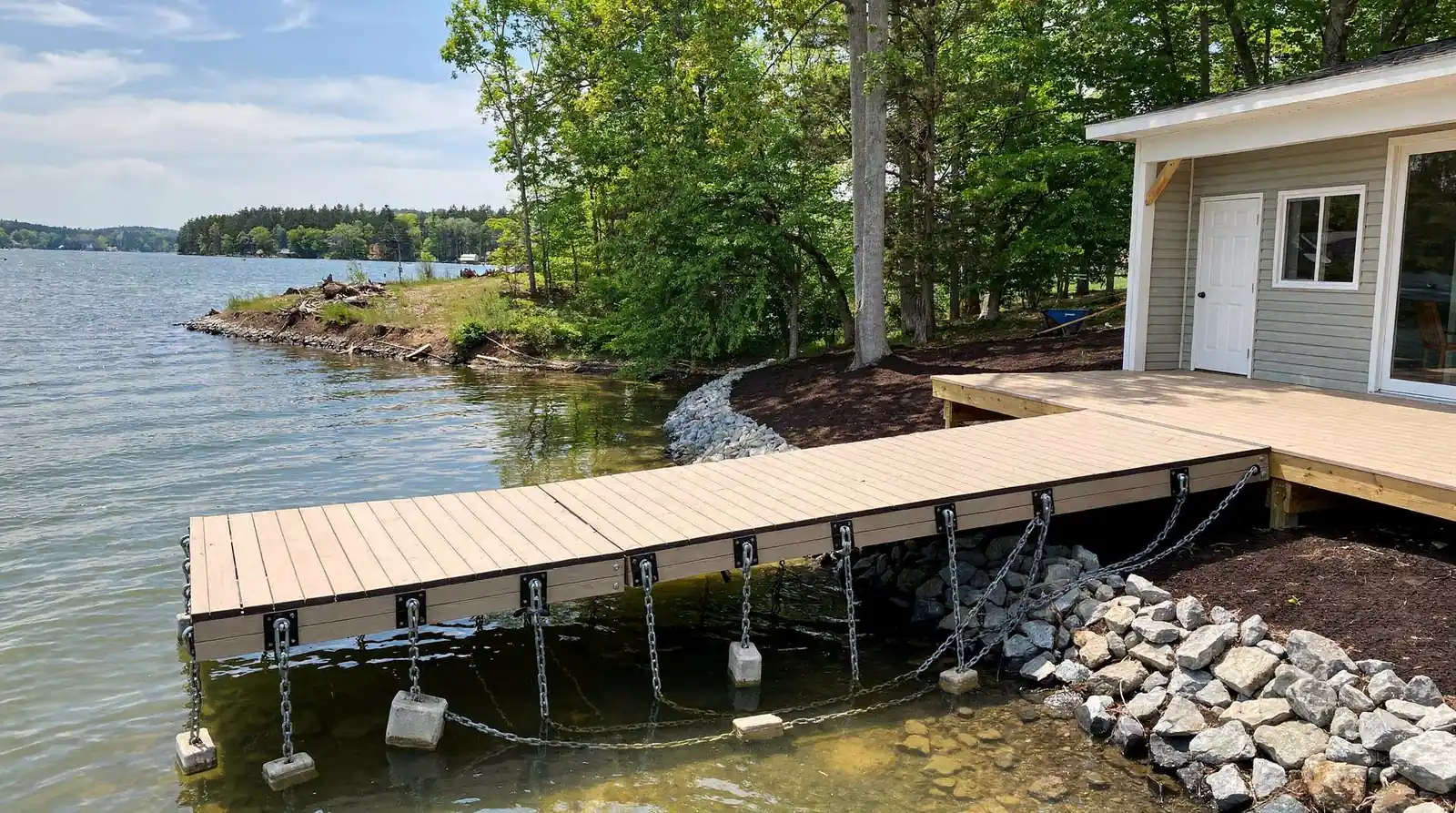
Poor anchoring causes most floating dock failures, not the flotation itself. Poorly built docks often skip proper engineering. The consequences show up fast: rocking platforms, chafed lines, and sections that drift out of alignment after a single storm season. Floating systems demand real design discipline. Skipping that step invites the same structural headaches seen in fixed docks, only faster.
Floating docks often rely on anchoring systems, though some may also incorporate pilings for additional stability. Builders typically use galvanized chains paired with concrete slabs to keep the structure stationary. When that anchoring is undersized or poorly placed, the dock shifts with wind and current, straining hardware and shortening its lifespan—one of the most common dock pilings issues homeowners encounter on fixed structures as well.
Do Floating Docks Need a Permit at Lake Anna?
Shoreline work at Lake Anna falls under specific regulations designed to protect water quality and neighboring properties. A lake-friendly design approach accounts for those rules from the start, preventing costly permitting violations later.
Can a Generic Dock Design Cause Problems?
Yes. A layout that ignores a homeowner’s lifestyle, budget, and shoreline conditions tends to age poorly. Hand-crafted designs built around actual use patterns hold up longer and avoid the structural mismatches that generic templates create.
How Can Homeowners Prevent Costly Dock Failures?
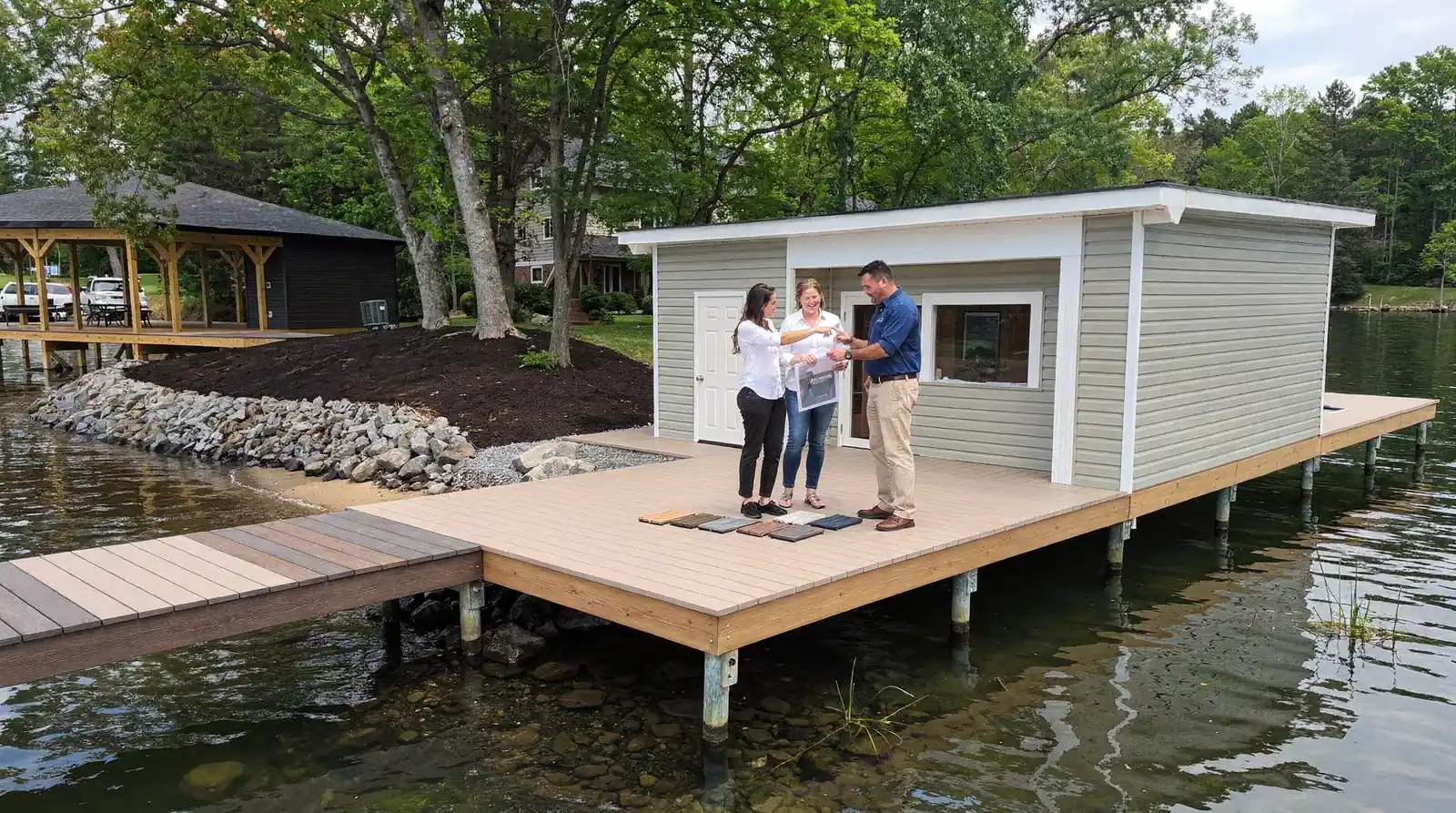
Knowing how to prevent dock damage starts with material selection and honest budgeting long before construction begins. Waterfront homeowners who ask themselves, “What Are the Common Issues With Poorly Built Docks That I Should Avoid?” save thousands in future repairs. Premium decking, such as Trex composite boards, resists the early rot and warping that plague budget-grade lumber structures exposed to Lake Anna’s freeze-thaw cycles.
Material choice alone won’t guarantee a sound structure. Homeowners who consult closely with an experienced builder match decking and framing to both appearance and real load demands, turning a dock into an asset rather than a future liability.
Why does dock quality vary so much in price?
Costs shift based on dock size, chosen materials, design complexity, and added features like boat lifts. Homeowners who understand this variation plan realistic budgets instead of chasing the cheapest bid, which often invites shortcuts.
What happens when maintenance and standards get skipped?
Skipping proper construction standards and routine upkeep invites risks beyond wasted money. Structural failure, safety hazards, and code violations often follow.
Three practical steps limit exposure:
- Request material samples and compare durability before signing a contract.
- Ask for a written quote that breaks down size, materials, and features.
- Schedule a consultation to review options and set realistic expectations early.
Investing in a properly constructed dock can enhance your waterfront investment and provide reliable enjoyment. By prioritizing quality materials, expert installation, and professional maintenance from the start, you avoid costly repairs and structural failures down the road. The difference between a dock built to last and one destined for problems comes down to expertise and attention to detail—factors that define every project LKA Dock Builder undertakes.
FAQ
What causes poorly built docks to fail at Lake Anna?
Loose connections, uneven decking, and inadequate shoreline anchoring cause failures, worsened by fluctuating water levels and weather exposure. Small issues left unaddressed escalate into costly structural damage.
What warning signs indicate a dock needs attention?
Posts that shift or lean, decking that cups or cracks, rusted or loose connectors, and uneven walking surfaces all signal settling or foundation movement. These small flaws compound each season into major rebuilds.
Why do floating docks fail without proper anchoring?
Poor anchoring, not the flotation itself, causes most floating dock failures. Undersized or poorly placed anchoring lets the dock shift with wind and current, straining hardware and shortening its lifespan.