
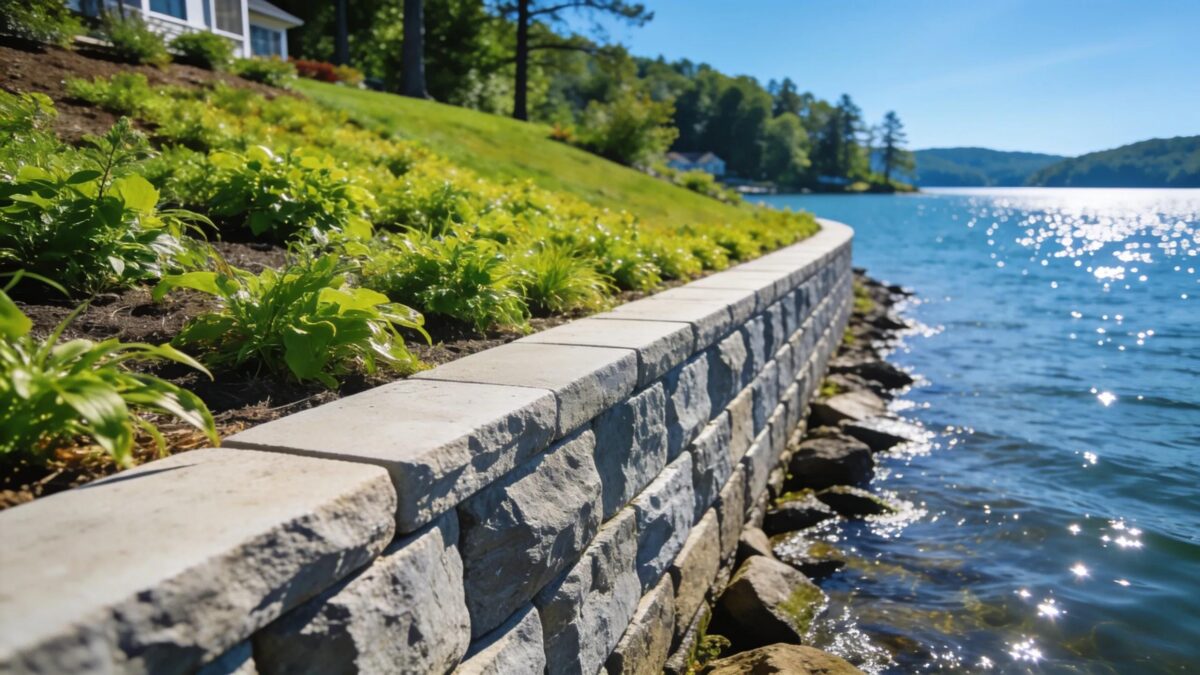
What Factors Influence Seawall Construction Costs? Understanding Seawall Cost Drivers for Lake Anna Waterfront Properties
By LKA Admin, LKA Dock Builder
Seawall construction costs are pivotal for homeowners seeking to protect their waterfront properties from erosion and water damage. Understanding the various factors that influence these costs can empower property owners to make informed decisions when investing in seawalls. Key considerations include the choice of materials, labor expenses, site conditions, design complexity, and regulatory compliance, all of which can significantly affect total project costs. This article aims to delve into these critical factors, offering insights into how they contribute to construction expenses and what property owners should expect when budgeting for their seawall projects. We will discuss material selection, labor costs, site-specific challenges, and the various nuances of construction permits that can shape overall expenses associated with seawalls in the Lake Anna area.
Core Factors Impacting Lake Anna Seawall Construction Costs

Material selection is one of the most significant cost drivers in seawall construction, influencing both the overall price and long-term performance of the structure. Different materials exhibit varying costs, durability, and maintenance requirements, making it essential for homeowners to evaluate their options carefully. Utilizing high-quality materials generally leads to better longevity and reduced maintenance over time, ultimately affecting the total investment in a seawall.
Selecting the right material not only impacts the installation costs but also influences future repairs and maintenance. As homeowners consider their options for seawall construction, they should be aware of both the initial and long-term financial implications of their material choices. For comprehensive solutions and expert guidance on waterfront construction, exploring options from LKA Dock Builder can provide valuable insights.
After evaluating the materials, homeowners should also contemplate the labor expenses associated with construction.
Labor Expenses
Labor expenses account for a significant portion of seawall construction costs. Rates can vary widely based on the complexity of the project, the location of the property, and the skill level required for the job. More intricate designs or challenging site conditions often necessitate specialized skills, which can drive up labor costs considerably.
For instance, skilled labor is particularly crucial in the Lake Anna area, where local market conditions and wage structures may vary. Understanding these labor dynamics can help homeowners better budget for their seawall projects and plan accordingly.
Labor costs also directly correlate with the project timeline, as more complex installations typically require additional time and resources. As such, it is essential for property owners to select experienced contractors to ensure quality workmanship and efficiency.
Investing in skilled labor can save homeowners money in the long run by reducing the likelihood of future repairs and maintenance issues.
Coastal protection structures like seawalls demonstrate clear economic benefits, preserving significant capital investments despite their initial costs.
Economic Benefits and Costs of Seawalls for Coastal Protection
Dikes, breakwaters, sea walls, and related structures are designed to thwart for some time (50 years?) damaging, destructive forces that assault coastal regions worldwide. They are costly to build and maintain but in short and long terms present economic benefits that preserve much, much more in capital investment. Structures that protect coastal populations, assets, and GDPs: sea dikes, breakwaters, seawalls, FR Siegel, 2019
Site Conditions
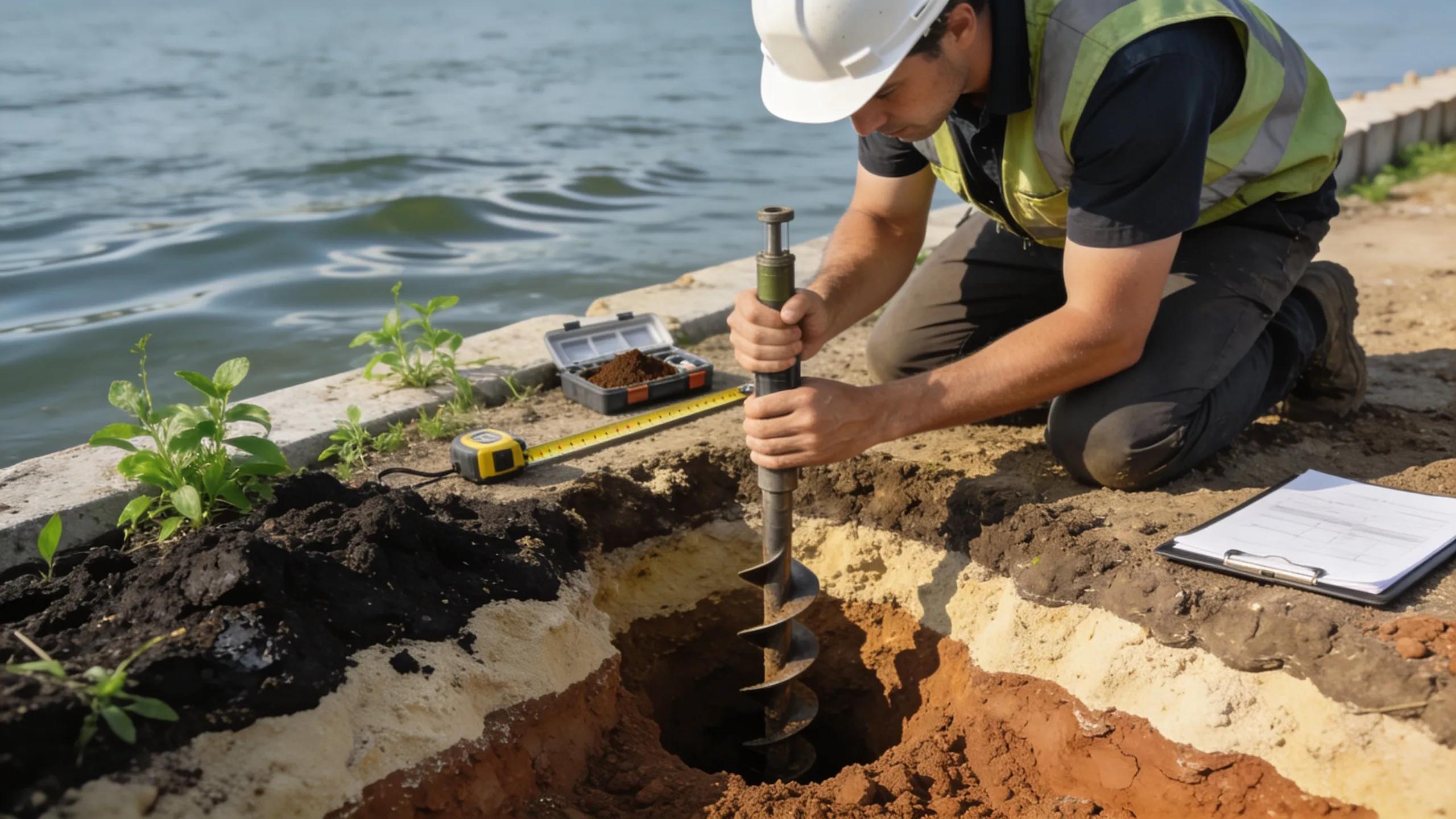
Site conditions play a pivotal role in determining the overall cost of seawall construction. Each property presents unique challenges that can influence excavation requirements, foundation integrity, and even the choice of materials. Factors such as soil composition, water levels, and geographical features can drastically affect installation processes and final costs.
Properties located in areas prone to flooding or erosion may require more robust designs and additional reinforcing measures, ultimately increasing expenses.
Understanding how site evaluations impact construction costs is vital for homeowners looking to invest in seawalls. Such assessments can provide crucial insights into design requirements and potential challenges that may arise during the construction process, allowing for more accurate budgeting and preparation.
Evaluating the regulatory framework is equally important.
Permitting and Regulatory Compliance
Permitting and regulatory compliance can add to the budget of seawall construction, particularly in areas like Lake Anna where environmental regulations are stringent. Homeowners must navigate a range of necessary permits, which can involve both time and financial costs. Compliance requirements often dictate specific construction practices, material use, and environmental considerations that must be adhered to.
Given the potential financial implications of permitting, homeowners are advised to seek professional guidance to streamline the process. By understanding the local regulations and preparing the necessary documentation in advance, property owners can mitigate delays and unexpected costs.
Successful navigation of permitting processes ultimately leads to a more seamless construction experience and adherence to legal standards.
Potential Additional Expenses
In addition to material, labor, and permitting costs, there are several potential additional expenses that homeowners should consider when budgeting for seawall construction. These may include ongoing maintenance costs, unforeseen issues that arise during construction, and potential design modifications based on site evaluations.
Regular maintenance of seawalls is essential to ensure their longevity and efficiency. Homeowners should factor in the costs of inspections, repairs, and upgrades when assessing their overall investment.
Being aware of these additional expenses can help homeowners create a more comprehensive budgeting strategy that protects against overspending on their seawall projects.
Which Material Types Most Affect Seawall Construction Prices?
When considering which materials significantly impact seawall construction prices, homeowners should examine cost ranges, durability, and environmental compatibility. The three main types of seawall materials include concrete, vinyl, and timber, each providing unique advantages and drawbacks that influence costs:
- Concrete: With a cost range of $150 to $700 per linear foot, concrete seawalls offer the highest durability and lifespan, making them a popular choice for long-term protection against erosion.
- Vinyl: Costing between $100 to $300 per linear foot, vinyl seawalls are known for their resistance to corrosion and lower maintenance needs, providing excellent value for waterfront properties.
- Timber: Priced between $100 to $400 per linear foot, timber seawalls can be aesthetically pleasing but may require more frequent maintenance compared to concrete and vinyl options.
By analyzing these factors, homeowners can make more informed decisions aligned with their needs and budget when selecting seawall materials.
How Do Concrete, Stone, and Timber Compare in Durability and Cost?
When evaluating the durability and cost of seawall materials, concrete, stone, and timber present distinct comparisons. Each material’s lifespan and maintenance needs vary, impacting overall investment value:
- Concrete Seawalls: These have a lifespan of 30-50 years and typically require minimal maintenance, making them ideal for long-term investments.
- Timber Seawalls: With a lifespan of 15-30 years, timber seawalls are prone to rot and may require regular maintenance to extend their viability.
- Stone Seawalls: Similar to concrete, stone seawalls can last between 20-50 years but often come with higher initial costs.
Understanding these material differences can aid homeowners in making the best choices for their seawall construction projects, aligning their investments with long-term performance expectations.
What Are the Advantages of Using High-Grade Materials for Lake Anna Seawalls?
Investing in high-grade materials for seawall construction can yield significant long-term advantages. These benefits often outweigh the initial costs, providing better durability and lower maintenance demands. High-grade materials typically offer:
- Long-Term Cost Savings: By reducing the need for frequent repairs and replacements, high-grade materials contribute to overall cost efficiency.
- Increased Durability: Premium materials like reinforced concrete and high-quality vinyl can withstand harsh environmental conditions, enhancing the seawall’s lifespan.
- Performance Benefits: High-grade materials often feature better resistance to erosion, moisture, and extreme weather, ensuring that the seawall effectively serves its protective purpose.
Homeowners should consider the impact of material quality on both short-term construction costs and long-term investment value, as it can lead to significant savings over the lifespan of the seawall.
How Does Site Evaluation Influence Waterfront Retaining Wall Expenses?
Site evaluations are critical in determining the expenses associated with constructing waterfront retaining walls. Factors assessed during these evaluations include soil quality, drainage patterns, and the geographical layout of the site, all of which play a role in shaping the construction plan.
- Soil Quality: Poor soil composition may necessitate additional reinforcement or specialized foundation work, increasing costs.
- Drainage Patterns: Understanding water flow on the property can inform design choices that mitigate erosion and enhance wall effectiveness.
Incorporating thorough site evaluations into the planning stages can equip homeowners with valuable insights for establishing a realistic budget for seawall projects.
Why Is Soil Condition Critical in Determining Seawall Installation Complexity?
The condition of the soil directly affects the complexity of seawall installation. Different soil types present unique challenges, which must be factored into the construction process. The potential costs linked to excavation, foundation work, and additional reinforcement measures depend on soil condition:
- Stable Soil: Generally leads to smoother installation processes and lower costs.
- Unstable or Saturated Soil: May require more extensive preparation, such as deep foundations or soil stabilization, raising overall expenses significantly.
Understanding soil conditions empowers homeowners to anticipate potential challenges during their seawall construction, enabling more accurate budgeting and planning.
What Environmental Regulations and Permitting Costs Are Specific to Lake Anna?
Specific environmental regulations and permitting costs in Lake Anna can significantly impact seawall construction expenses. Homeowners must navigate a variety of local regulations that dictate:
- Permit Application Fees: Securing necessary construction permits often involves variable costs based on project scope and local policies.
- Compliance Requirements: Regulations may enforce certain construction practices to protect natural habitats and waterways, which can affect material and design choices.
Getting familiar with these regulations early in the planning process assists homeowners in budgeting adequately for potential costs, ensuring compliance while securing the necessary permits.
What Labor and Design Complexity Factors Impact Seawall Construction Cost?
Labor and design complexity are key factors that influence the overall cost of seawall construction. Homeowners should be aware of the following:
- Skilled Labor Requirements: Complex designs necessitate hiring more specialized labor, leading to higher hourly rates.
- Design Adjustments: Alterations to original plans may result in additional design fees and require re-permitting, further inflating costs.
By anticipating these increased expenses, homeowners can better prepare for the financial implications of their seawall projects.
How Does Custom Design Increase Labor and Material Expenses?
Custom seawall designs are often more expensive due to the need for specialized materials and skilled labor. When opting for customized solutions, homeowners should expect:
- Higher Labor Costs: Skilled craftsmen typically command premium rates, especially for unique designs that require more time and expertise to execute.
- Material Specifications: Customized designs might utilize specific materials that can be more costly than standard options.
Understanding these cost drivers ensures homeowners are equipped to budget appropriately for bespoke seawall projects, balancing their design aspirations with financial realities.
What Are Typical Labor Rate Variations for Dock and Seawall Repairs in the Region?
Labor rates for dock and seawall repairs can vary greatly depending on various factors such as the region, complexity, and type of services required. Homeowners may encounter the following:
- Regional Market Variations: The cost of skilled labor is influenced by local demand and availability, typically higher in urban centers compared to rural areas.
- Service Complexity: More intricate repair tasks will increase the cost due to the greater level of expertise required.
Property owners should research local labor markets to gain a comprehensive understanding of associated repair costs, allowing them to allocate resources effectively when maintaining their seawalls.
How Do Maintenance and Longevity Affect Total Seawall Investment Value?
Maintenance plays a crucial role in determining the overall value of a seawall investment. Regular upkeep not only ensures the structure’s longevity but also enhances its overall effectiveness. Benefits include:
- Prevention of Major Repairs: Routine inspections and minor repairs can prevent more significant issues down the line, which can be much costlier to address.
- Investment Value: A well-maintained seawall can enhance property value, making it a worthwhile long-term investment for homeowners.
By committing to ongoing maintenance practices, property owners not only protect their initial investment but also ensure their seawall serves its intended purpose effectively over time.
What Maintenance Practices Extend Seawall Lifespan and Reduce Repair Costs?
Implementing effective maintenance practices is essential for prolonging the lifespan of seawalls and minimizing potential repair costs. Homeowners should consider the following strategies:
- Routine Inspections: Conducting regular checks can identify issues early, allowing for timely repairs that prevent escalation.
- Seasonal Maintenance Protocols: Preparing the seawall before adverse weather conditions can protect against storm-related damage and other environmental factors.
- Professional Maintenance Services: Engaging specialists for inspections and repairs can ensure work is performed to a high standard, ultimately saving money on potential future issues.
By establishing a rigorous maintenance schedule, property owners can enhance the durability and effectiveness of their seawalls, protecting their investments.
How Do Warranty and Quality Assurance Influence Customer Satisfaction and Cost Efficiency?
Warranties and quality assurance can have a substantial impact on customer satisfaction and long-term cost efficiency in seawall construction. Factors to consider include:
- Warranty Coverage: A solid warranty can provide peace of mind by protecting against defects and premature failure, reducing future expenses.
- Quality Assurance Processes: Ensuring that construction practices adhere to high standards can lead to improved longevity and performance, ultimately saving homeowners money over time.
By understanding the implications of warranties and quality assurance, property owners can make informed choices that enhance their satisfaction with seawall investments while also ensuring long-term cost efficiency.