Understanding Seawall Construction Permit Costs and Inspection Fees in Lake Anna, VA: Essential Information for Waterfront Property Owners
By LKA Admin, LKA Dock Builder
Navigating the complexities of seawall construction permits and inspections can be a daunting process for waterfront property owners. Understanding the associated costs is crucial for effective project planning and budgeting. This article delves into the typical fees for seawall construction permits and inspections, offering essential insights into local regulations and processes specific to the Lake Anna area. Many property owners face challenges regarding unexpected costs and compliance with local guidelines, which can lead to project delays or financial strain. By outlining these critical elements, this guide aims to provide clarity and support for effective decision-making. Key topics covered include permit fees, inspection costs, application procedures, and local regulations impacting seawall projects.
What Are the Typical Permit Fees for Seawall Construction in the Lake Anna Area?
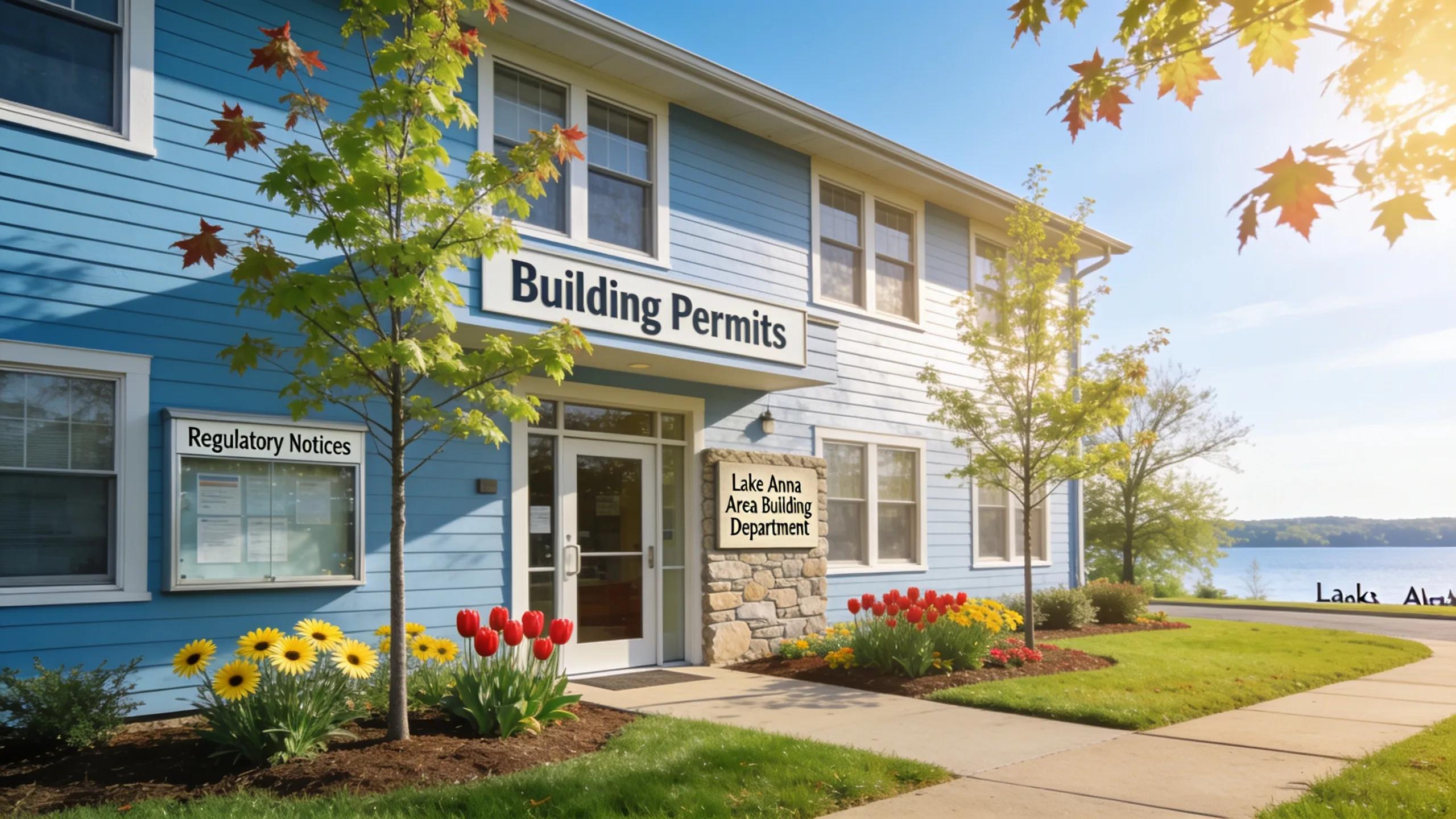
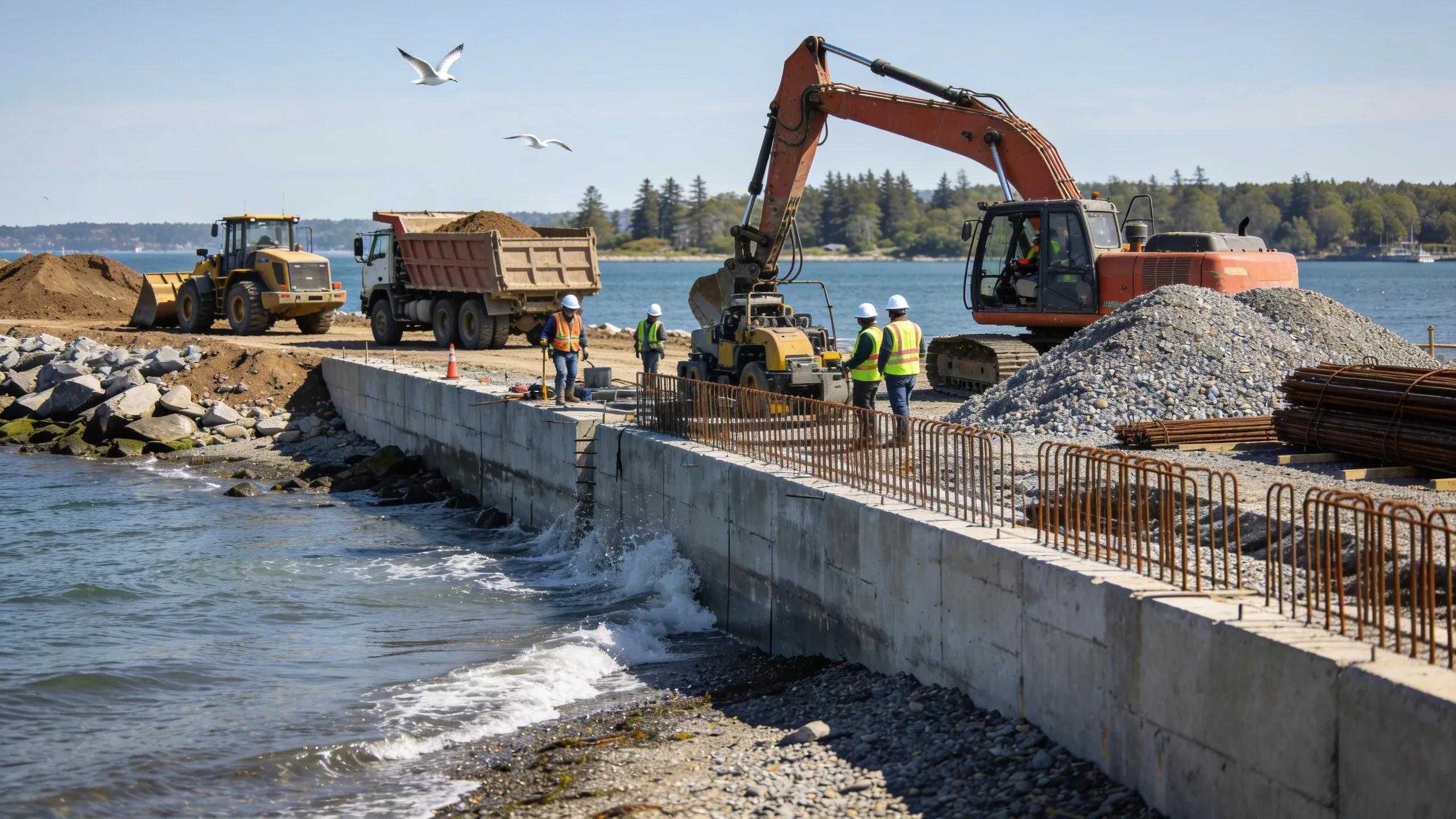
Permit fees for seawall construction can vary significantly based on several factors, including the complexity of the project, material choices, and specific local regulations. In the Lake Anna area, understanding these costs is vital for property owners planning a seawall construction project. For comprehensive services including marine construction, exploring options like “marine construction services” can be beneficial.
Which Local Agencies Set Seawall Permit Costs?
Lake Anna spans three Virginia counties, and seawall permit costs are set independently by each jurisdiction rather than by a single regional authority:
- Spotsylvania County — the Department of Planning & Community Development issues the Spotsylvania County seawall permit, covering shoreline and construction approvals, and publishes its current fee schedule on the county website.
- Louisa County — the Community Development Department handles the Louisa County shoreline permit process for building and land-disturbance work on waterfront projects, including seawalls.
- Orange County — the Building Inspections Department reviews and issues the Orange County VA building permit for seawall and shoreline construction within its jurisdiction.
Because Lake Anna itself is a reservoir owned and operated by Dominion Energy, projects also fall under Dominion Energy’s Shoreline Management Program, which sets its own permitted-structure, setback, and vegetation-management requirements in addition to county building codes. Property owners should confirm requirements and current fees directly with the county in which their property sits, plus Dominion Energy, since neither this guide nor any third party can guarantee the figures below are current.
How Are Application and Environmental Fees Calculated?
Application and environmental fees are generally calculated based on the project’s scope and potential environmental impact. Factors influencing these costs may include the size of the seawall, the materials used, and any required environmental assessments. Because fee schedules are set independently by each jurisdiction — Spotsylvania County, Louisa County, and Orange County — and can change from year to year, property owners should consult the current fee schedule published by their county’s building or planning department, and confirm shoreline requirements with Dominion Energy’s Shoreline Management Program, before finalizing a project budget. The figures below are general estimates only, not fixed rates, and are subject to change without notice.
What Inspection Fees Should Waterfront Property Owners Expect During Seawall Construction?
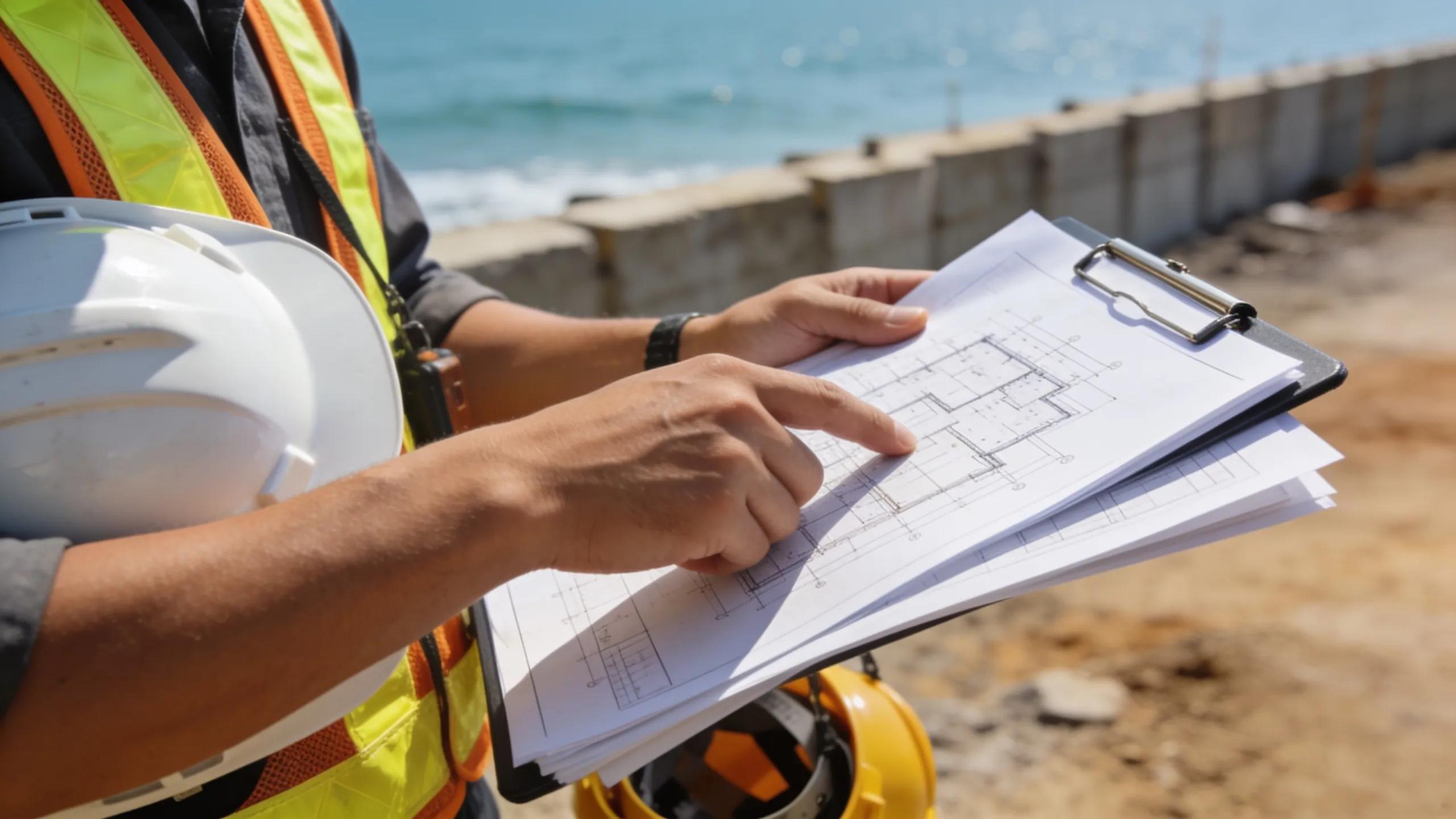
Lake Anna seawall inspection fees are another critical consideration for property owners involved in seawall construction. These costs can vary based on the type and frequency of inspections required throughout the project’s lifecycle.
When Are Mandatory Inspections Scheduled for Seawall Projects?
Mandatory inspections during seawall construction are typically scheduled at various phases of the project. These inspections ensure compliance with safety and environmental standards, and they are crucial for the successful completion of the seawall. Owners should prepare for inspections during key project milestones, such as foundation installation and final approvals.
Who Conducts Inspections and What Are Typical Inspection Costs?
Inspections are conducted by certified local inspectors who assess the project’s adherence to safety and regulatory requirements. The typical costs associated with these inspections may vary based on the complexity of the seawall design and the specific criteria set forth by local building codes. Property owners can expect to pay inspection fees which generally range from $150 to $400 per visit, depending on the inspector’s qualifications and the required evaluations.
How Does the Permit and Inspection Process Work for Seawall Construction Projects?
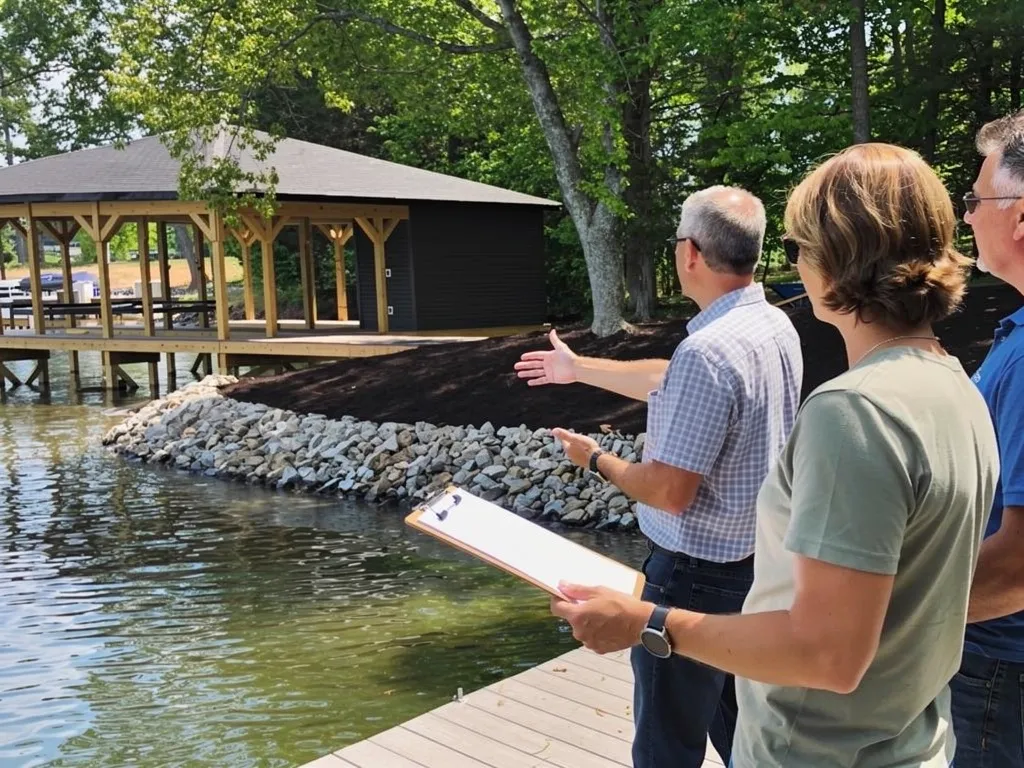
Understanding the permit and inspection process for seawall construction is essential for property owners looking to initiate their projects smoothly. The following outlines the typical steps involved.
What Are the Step-by-Step Permit Application Procedures?
The seawall permit application process generally involves several key steps, including:
- Initial Consultation: Property owners should meet with local officials to discuss project plans and requirements.
- Documentation Submission: Required documents, such as project plans and environmental assessments, must be submitted.
- Fee Payment: Permits are typically not processed until associated fees are paid.
- Permit Review Period: Authorities will review submitted materials prior to granting approval.
- Permit Issuance: After successful reviews, the relevant permits are issued.
Navigating these steps can significantly reduce the likelihood of delays or unexpected issues.
Successfully navigating complex regulatory frameworks, particularly in urban settings, is crucial for timely and cost-effective project completion.
Navigating Regulatory Processes for Seawall Construction Creating and implementing effective tools for navigating the regulatory process is becoming increasingly important to the success of simple to complex projects, particularly those in urban settings. To guide a project through the planning and permitting processes, a skilled and coordinated team equipped with a practical and easily implementable toolkit is required. Tools must be integrated into the design development phase of a project and throughout the permitting phase to adequately meet complex regulatory requirements and begin the project’s construction in a timely and cost-effective manner. This article discusses the importance of defining a project, effective project communication, developing an Environmental Approvals Approach (EAA), and proper project scheduling to improve the environmental planning and permitting processes. The City of Seattle’s Elliott Bay Seawall Project is presented as a case study of these qualities. Environmental reviews and case studies: an interdisciplinary approach to environmental planning and permitting: city of Seattle Elliott Bay seawall project case study, 2015
How Are Inspections Coordinated and What Should Property Owners Prepare?
Inspection coordination usually involves scheduling visits at critical phases of construction. Property owners should ensure that their sites are prepared for inspections by organizing necessary documentation and ensuring that the construction meets all applicable codes. Proper preparation can facilitate smoother inspections and expedite project completion.
What Local Regulations and Environmental Considerations Affect Seawall Permit Fees and Inspections?
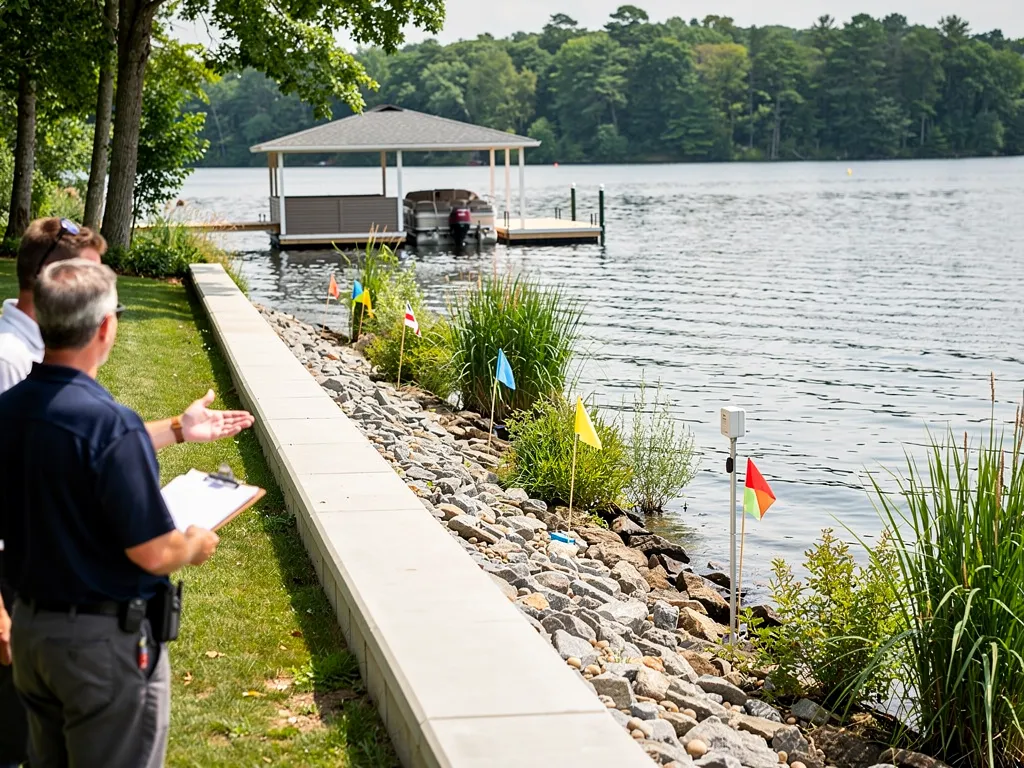
Local regulations play an essential role in influencing both the costs associated with seawall construction permits and the nature of inspections required throughout the project’s lifecycle. Property owners should be aware of specific environmental assessments that may be mandated by local laws.
Which Lake Anna and Surrounding County Rules Impact Permit Costs?
Each county bordering Lake Anna applies its own zoning, setback, and land-disturbance rules to shoreline construction, which directly affects permit costs:
- Spotsylvania County requires zoning compliance review and, for projects disturbing shoreline soil, may require an erosion and sediment control plan under the county’s Planning & Community Development regulations.
- Louisa County, where much of the lake’s shoreline sits, administers building and environmental permitting through its Community Development Department, including review of proximity to the water and any wetlands impact.
- Orange County enforces its own building code and shoreline setback requirements through the Building Inspections Department, separate from Spotsylvania’s or Louisa’s process.
Because Lake Anna is a Dominion Energy reservoir, every project — regardless of county — must also satisfy Dominion Energy’s Shoreline Management Guidelines covering permitted structures, setbacks, and vegetation management. Fee schedules and specific requirements change periodically, so property owners should verify current rates and rules with their county’s permitting office and Dominion Energy before budgeting a project. Familiarizing oneself with these rules can help property owners avoid unexpected costs and ensure compliance.
How Do Environmental Protections Influence Inspection Requirements and Fees?
Environmental protections significantly impact the requirements for inspections associated with seawall construction. Property owners may be required to conduct environmental assessments that can lead to additional costs. The goal of these regulations is to ensure that local ecosystems are protected during the construction process, emphasizing the importance of planning and adherence to environmental standards.
Shoreline protection efforts often face dilemmas due to property rights and potential environmental impacts.
Shoreline Protection Dilemmas: Seawalls and Property Rights
Michigan enjoys along its inland seas, the Laurentian Great Lakes, one of the longest coastlines in the U.S. Much of that shoreline is privately owned. Because of a confluence of development pressures and irrepressible physical dynamics, growing numbers of Great Lakes shoreland properties, built on shifting sandy shores, are at heightened risk of loss from coastal storm surge, inundation, erosion, and shoreline recession. In response, property owners are installing extensive hardened shoreline armoring structures like seawalls and revetments to arrest those erosional processes. Those structures, however, will substantially impair, if not ultimately destroy, the state’s natural coastal beaches and other shoreland resources, as well as accelerate erosion of neighboring shoreland properties. Armor or Withdraw? Likely Litigation and Potential Adjudication of Shoreland Conflicts Along Michigan’s Shifting Great Lake Coasts, 2023
In summary, understanding the complexities of seawall construction permits and inspections is crucial for waterfront property owners. By familiarizing themselves with typical fees, local regulations, and the permitting process, property owners can better navigate potential challenges. For those considering seawall construction or in need of “marine construction services”, it’s beneficial to evaluate quotes from local experts to ensure a successful project while adhering to local requirements. For services related to “dock building”, it is also recommended to seek professional advice.
Ready to Build a Seawall That Protects Your Investment?
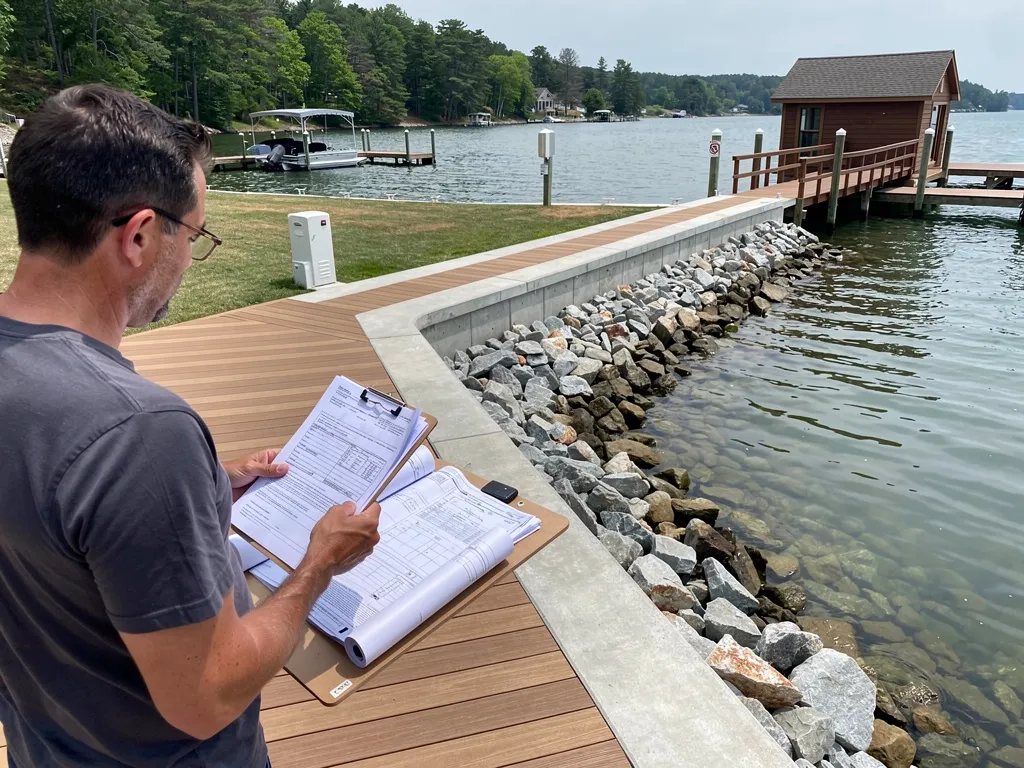
Confusing permits, shifting county fees, and eroding shoreline shouldn’t put your property at risk. LKA Dock Builder handles the paperwork, the inspections, and the build — so you get a durable, code-compliant seawall that protects your investment for decades, without the stress of navigating it alone.
Call [+1-540-899-3625](tel:+15408993625) or email [info@lkadockbuilder.com](mailto:info@lkadockbuilder.com) today for a project quote and expert permit guidance.