
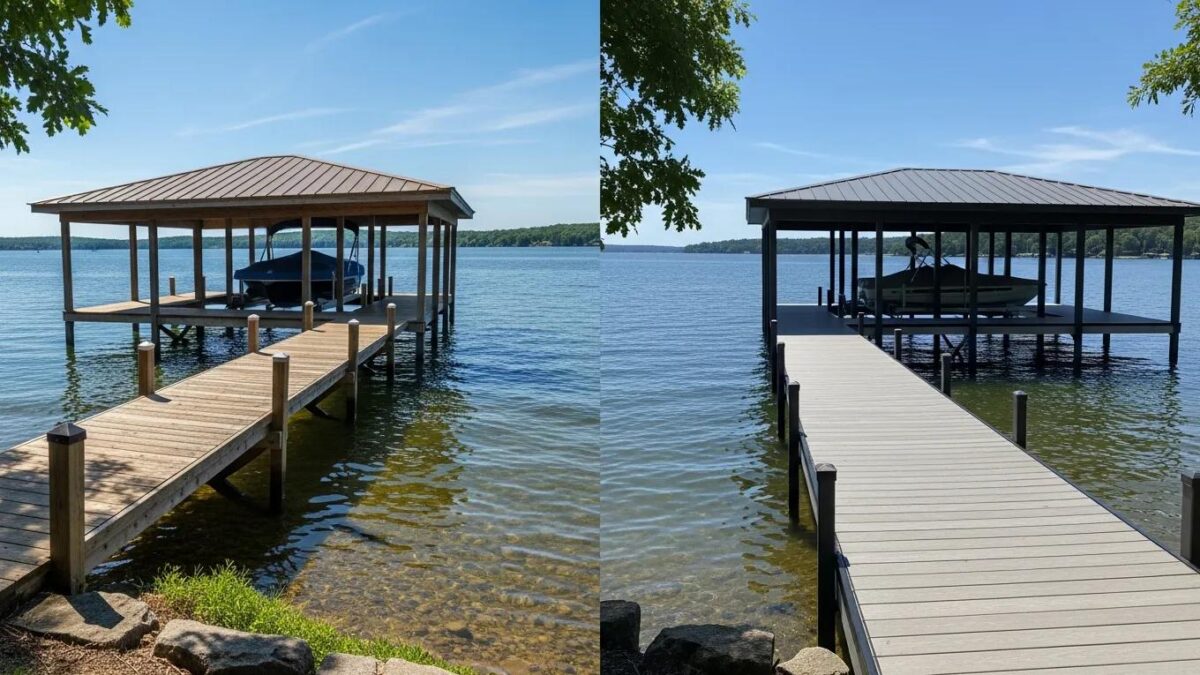
Expert Guide: Wood vs Composite Docks at Lake Anna
Choosing the right dock material is crucial for property owners at Lake Anna, where environmental conditions can significantly impact the longevity and performance of docks. This article delves into the comparison between wood and composite docks, focusing on their durability, maintenance needs, costs, and environmental impacts. Readers will gain insights into the strengths and weaknesses of each material, helping them make informed decisions for their waterfront properties. As many homeowners face challenges with dock maintenance and durability, understanding these differences can lead to better investment choices. We will explore key aspects such as the performance of wood docks in Lake Anna’s unique environment, the advantages of composite materials like Azek and Trex, and the maintenance requirements for both options.
Comparison of Wood and Composite Docks at Lake Anna
When considering dock materials, wood and composite options each offer distinct advantages and disadvantages. Wood docks, often made from pressure-treated lumber, are traditional choices that provide a classic aesthetic. However, they are susceptible to rot, insect damage, and weathering, which can compromise their lifespan. In contrast, composite docks, constructed from materials like recycled plastics and wood fibers, offer enhanced durability and resistance to environmental factors. This section will explore the key differences between these two types of docks, focusing on durability, maintenance, cost, and environmental impact.
Durability
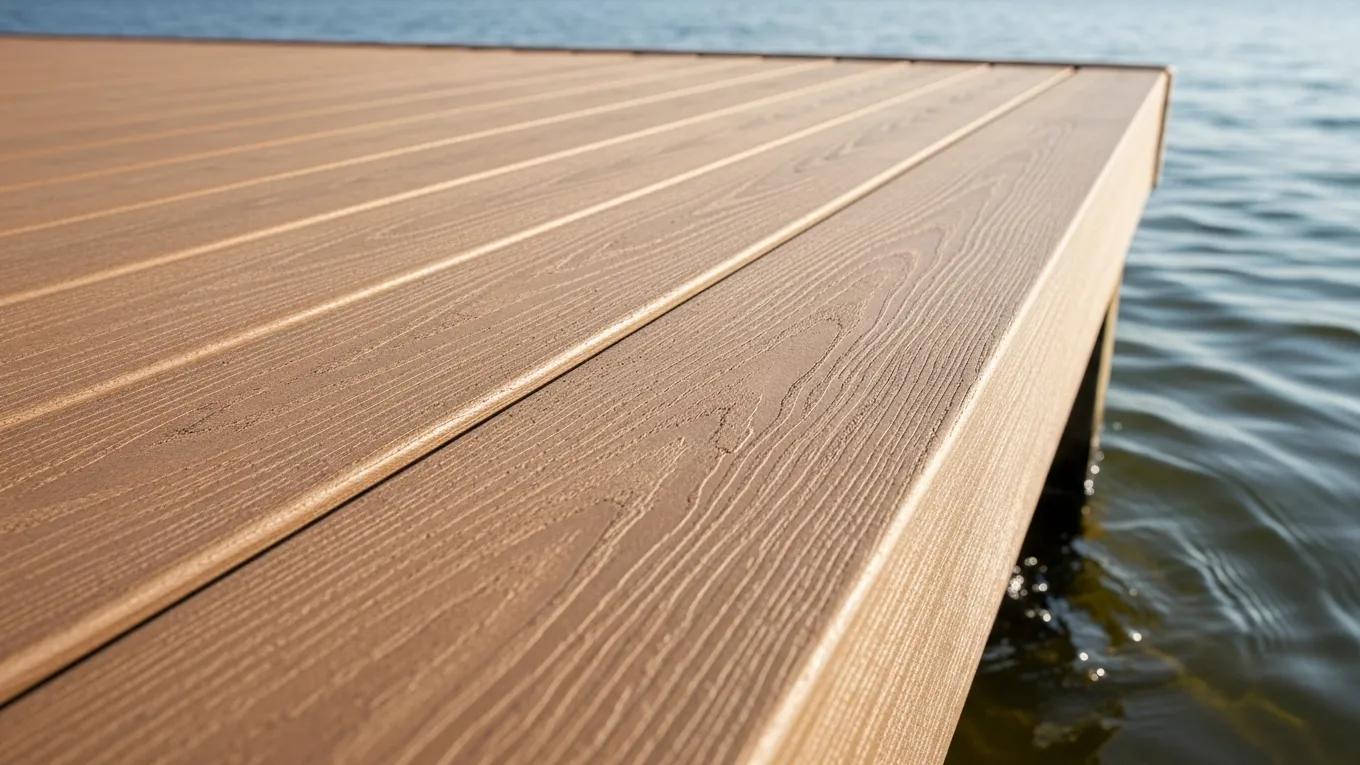
Durability is a critical factor when selecting dock materials, especially in the humid climate of Lake Anna. Wood docks, while aesthetically pleasing, are prone to rot and decay due to moisture exposure. Regular maintenance, including sealing and staining, is necessary to prolong their lifespan. On the other hand, composite docks are engineered to withstand harsh weather conditions, making them more resistant to fading, warping, and splintering. This inherent durability means that composite docks can last significantly longer than their wooden counterparts, often exceeding 25 years with minimal upkeep.
Indeed, research into waterfront materials consistently highlights the importance of attributes like reliable strength, resistance to decay, and low life cycle cost.
Waterfront Material Comparison: Durability, Cost, and Composite Technologies
ABSTRACT: AbstractA demand exists for strong, cost-effective, durable, and environmentally benign building materials for weather-exposed infrastructure applications. In particular, port authority officials and engineers are seeking waterfront materials with a combination of “ideal” attributes that may not be currently available in the marketplace. Materials science advancements related to composite technologies are ongoing, and composite product lines for waterfront applications are expanding. This paper examines the perceptions of U.S. port authorities and engineering consulting firms regarding new and established waterfront materials in decking and fendering system applications. The findings from a nationwide survey indicate that the most important decking material attribute for U.S. port authorities and engineering consultants wasreliable strength, followed byresistance to impact, resistance to decay, andlow life cycle cost.The most important fendering material attribute for these two respond
Perceptions of new and established waterfront materials: US port authorities and engineering consulting firms, 2002
Maintenance

Maintenance requirements differ greatly between wood and composite docks. Wood docks necessitate regular inspections and maintenance tasks, such as cleaning, sealing, and staining, to prevent deterioration. Homeowners may need to perform these tasks annually, which can be time-consuming and costly. In contrast, composite docks require far less maintenance. Their resistance to mold, mildew, and fading means that a simple wash with soap and water is often sufficient to keep them looking new. This low-maintenance aspect is a significant advantage for property owners seeking to minimize their dock upkeep.
Cost
The initial cost of dock materials can vary widely. Wood docks typically have a lower upfront cost, making them an attractive option for budget-conscious homeowners. However, the long-term costs associated with maintenance and potential repairs can add up significantly over time. Composite docks, while more expensive initially, often prove to be more cost-effective in the long run due to their durability and low maintenance needs. Homeowners should consider both the initial investment and the long-term value when deciding between wood and composite docks.
Environmental Impact
Environmental considerations are increasingly important in material selection. The sourcing of wood for docks can lead to deforestation and habitat destruction if not managed sustainably. Conversely, composite docks are often made from recycled materials, reducing their environmental footprint. Additionally, composite materials do not require the same chemical treatments as wood, which can leach into the water and harm aquatic life. This makes composite docks a more environmentally friendly option for conscientious property owners.
Conclusion
In summary, both wood and composite docks have their unique advantages and disadvantages. Wood docks offer a traditional look but require significant maintenance and are more susceptible to environmental damage. Composite docks, while initially more expensive, provide enhanced durability and lower maintenance needs, making them a practical choice for many homeowners. For those considering a new dock or replacement, consulting with a professional can provide valuable insights tailored to individual needs.
What Are the Key Differences Between Wood and Composite Docks?
The primary differences between wood and composite docks can be summarized as follows:
- Durability: Composite docks are more resistant to weathering and decay compared to wood docks.
- Maintenance: Wood docks require regular upkeep, while composite docks are low-maintenance.
- Cost: Wood docks have a lower initial cost but higher long-term maintenance costs, whereas composite docks are more expensive upfront but offer better long-term value.
How Do Wood Docks Perform in Lake Anna’s Environment?
Wood docks can perform adequately in Lake Anna’s environment, but they face challenges due to humidity and moisture exposure. The combination of these factors can lead to quicker deterioration if not properly maintained. Regular inspections and maintenance are essential to ensure that wood docks remain safe and functional over time.
What Are the Advantages of Composite Docks with Azek and Trex Materials?
Composite docks made from materials like Trex and Azek offer several advantages, including:
- Enhanced Durability: These materials are designed to resist fading, staining, and moisture damage.
- Low Maintenance: Composite docks require minimal upkeep, making them ideal for busy homeowners.
- Aesthetic Variety: Available in various colors and textures, composite docks can mimic the look of wood without the associated maintenance.
What Are the Maintenance Requirements for Wood and Composite Docks at Lake Anna?
Understanding the maintenance requirements for both dock types is crucial for property owners.
How Often Does Wood Dock Maintenance Need to Be Performed?
Wood docks should be inspected at least once a year, with maintenance tasks such as cleaning, sealing, and staining performed annually. This regular upkeep is necessary to prevent rot and extend the dock’s lifespan.
What Low-Maintenance Benefits Do Composite Docks Offer?
Composite docks offer significant low-maintenance benefits, including:
- Minimal Upkeep: A simple wash with soap and water is often sufficient to maintain their appearance.
- No Need for Sealing: Unlike wood, composite materials do not require sealing or staining, saving time and money.
- Long-Term Savings: The reduced need for maintenance translates to lower overall costs for homeowners.
How Do Costs and Lifespan Compare Between Wood and Composite Docks?
When comparing costs and lifespan, it’s essential to consider both initial investments and long-term value.
What Is the Initial Investment for Wood vs. Composite Docks?
The initial investment for wood docks is generally lower, with costs varying based on the type of wood used. Composite docks, while more expensive upfront, often provide better value over time due to their durability and low maintenance needs.
How Does Longevity Affect Overall Value for Lake Anna Dock Owners?
Longevity plays a significant role in the overall value of dock materials. While wood docks may be cheaper initially, their shorter lifespan and higher maintenance costs can lead to greater expenses over time. Composite docks, with their extended lifespan and minimal upkeep, often prove to be a more economical choice in the long run.
How Does Lake Anna’s Climate Impact Dock Material Durability?
Lake Anna’s climate, characterized by high humidity and temperature fluctuations, can significantly impact the durability of dock materials.
What Environmental Factors Affect Wood Dock Durability?
Environmental factors such as moisture exposure, temperature changes, and insect activity can all contribute to the deterioration of wood docks. These elements necessitate regular maintenance to ensure safety and functionality.
Why Are Composite Materials Better Suited for Lake Anna’s Conditions?
Composite materials are better suited for Lake Anna’s conditions due to their resistance to moisture and UV exposure. This durability allows them to maintain their structural integrity and appearance over time, making them a preferred choice for many homeowners.
What Custom Dock Building and Repair Services Does LKA Dock Builder Provide?
LKA Dock Builder specializes in custom dock building and repair services tailored to the unique needs of Lake Anna property owners. Their offerings include:
- Custom Dock Design: Tailored solutions to fit individual waterfront properties.
- Repair Services: Professional repairs for existing docks to extend their lifespan.
- Seawall Construction: Protecting waterfront properties from erosion and water damage.
How Does LKA Dock Builder Customize Wood and Composite Docks?
LKA Dock Builder offers customization options for both wood and composite docks, allowing homeowners to choose materials, designs, and features that best suit their needs. This flexibility ensures that each dock is uniquely tailored to the property and the owner’s preferences.
What Dock Repair and Seawall Construction Services Are Available at Lake Anna?
In addition to custom dock building, LKA Dock Builder provides essential repair and seawall construction services, including:
- Seawall Construction: Protecting properties from erosion and water damage.
- Dock Repair Services: Ensuring existing docks remain safe and functional.
How Can Property Owners Choose the Best Dock Material for Their Lake Anna Waterfront?
Choosing the best dock material involves considering several factors, including:
- Durability: Assessing how well each material withstands Lake Anna’s environmental conditions.
- Maintenance Needs: Evaluating the time and cost associated with maintaining each type of dock.
- Aesthetic Preferences: Considering the visual appeal of the dock material in relation to the property.
What Factors Should Influence the Decision Between Wood and Composite?
Key factors influencing the decision between wood and composite docks include:
- Environmental Conditions: Understanding how local climate affects material performance.
- Budget Considerations: Weighing initial costs against long-term maintenance expenses.
- Personal Preferences: Considering aesthetic and functional preferences for the dock.
How Does LKA Dock Builder Assist Clients in Making Informed Choices?
LKA Dock Builder provides expert guidance to help clients make informed choices about dock materials. Their consultation process includes:
- Material Comparisons: Detailed discussions on the pros and cons of wood versus composite docks.
- Tailored Recommendations: Suggestions based on individual property needs and preferences.