Choosing the Right Materials for Dock Construction
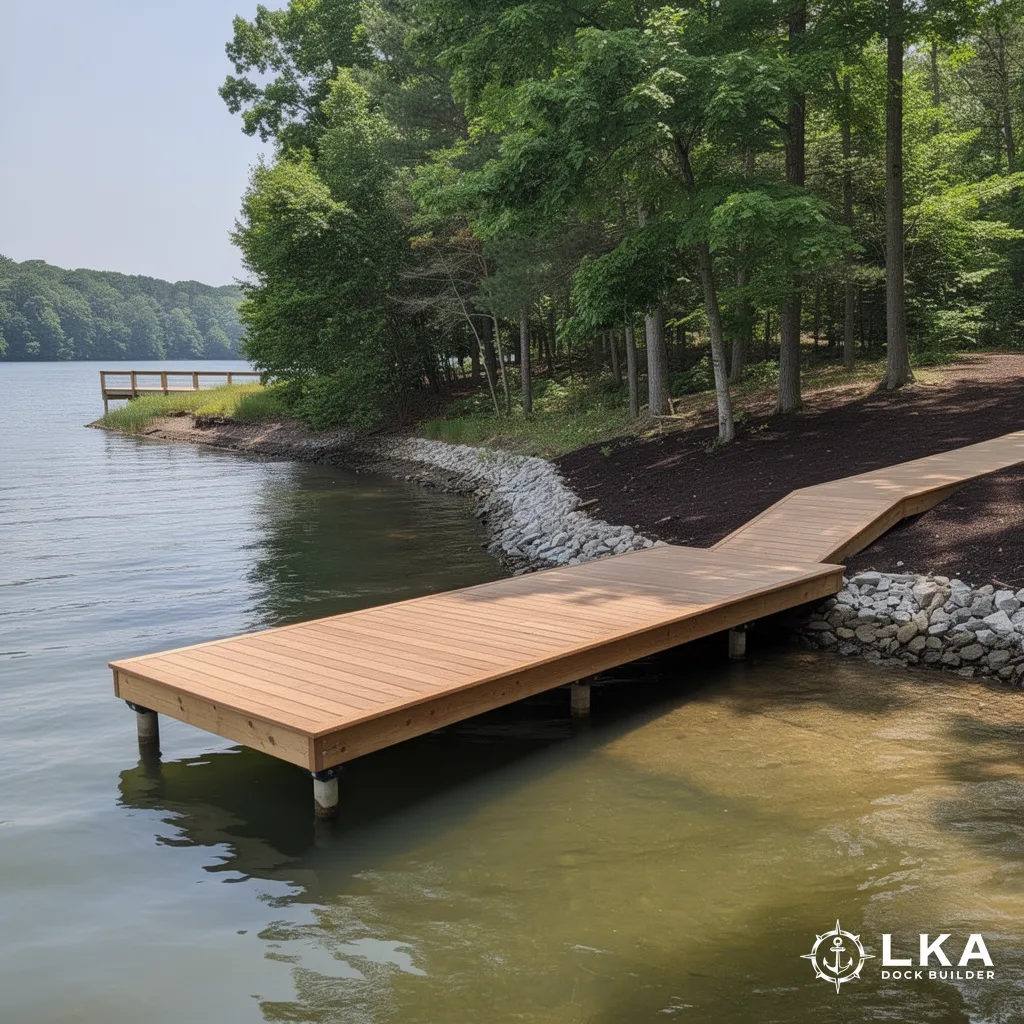
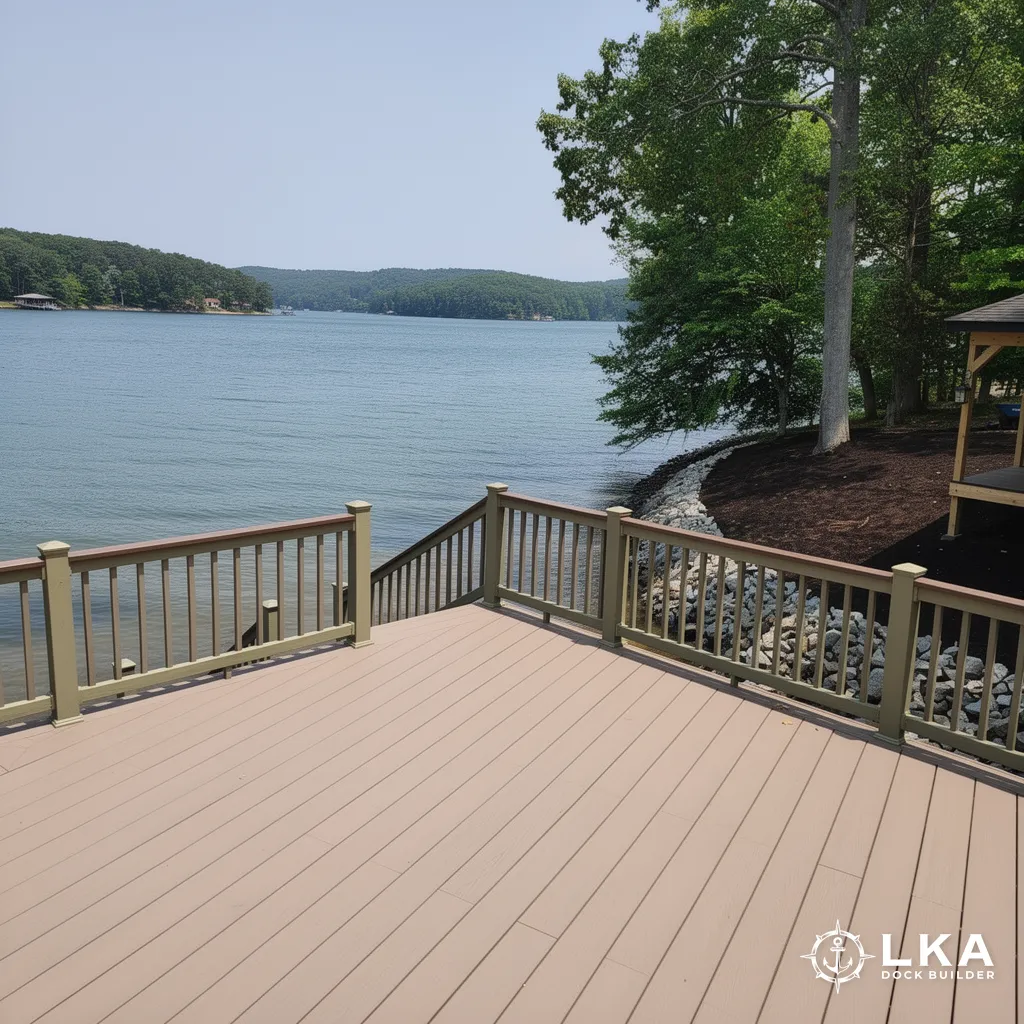
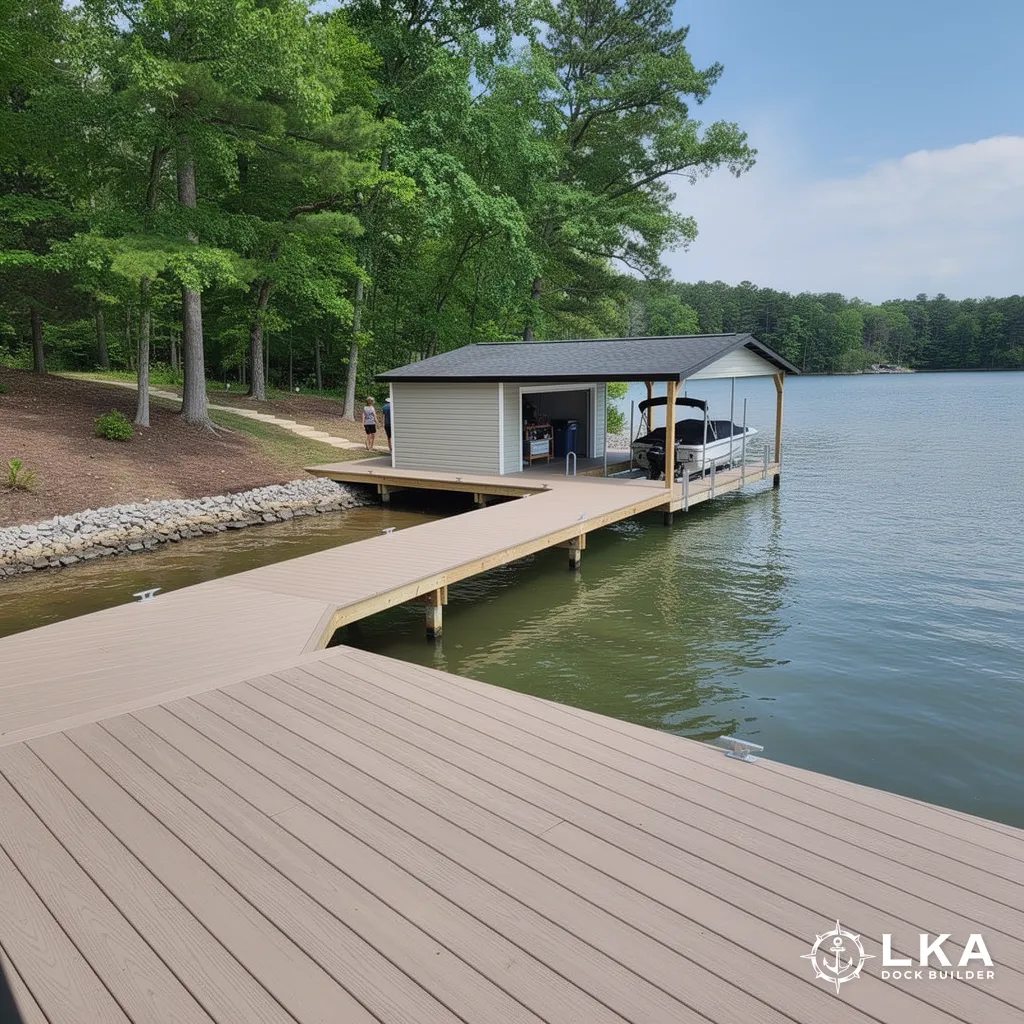
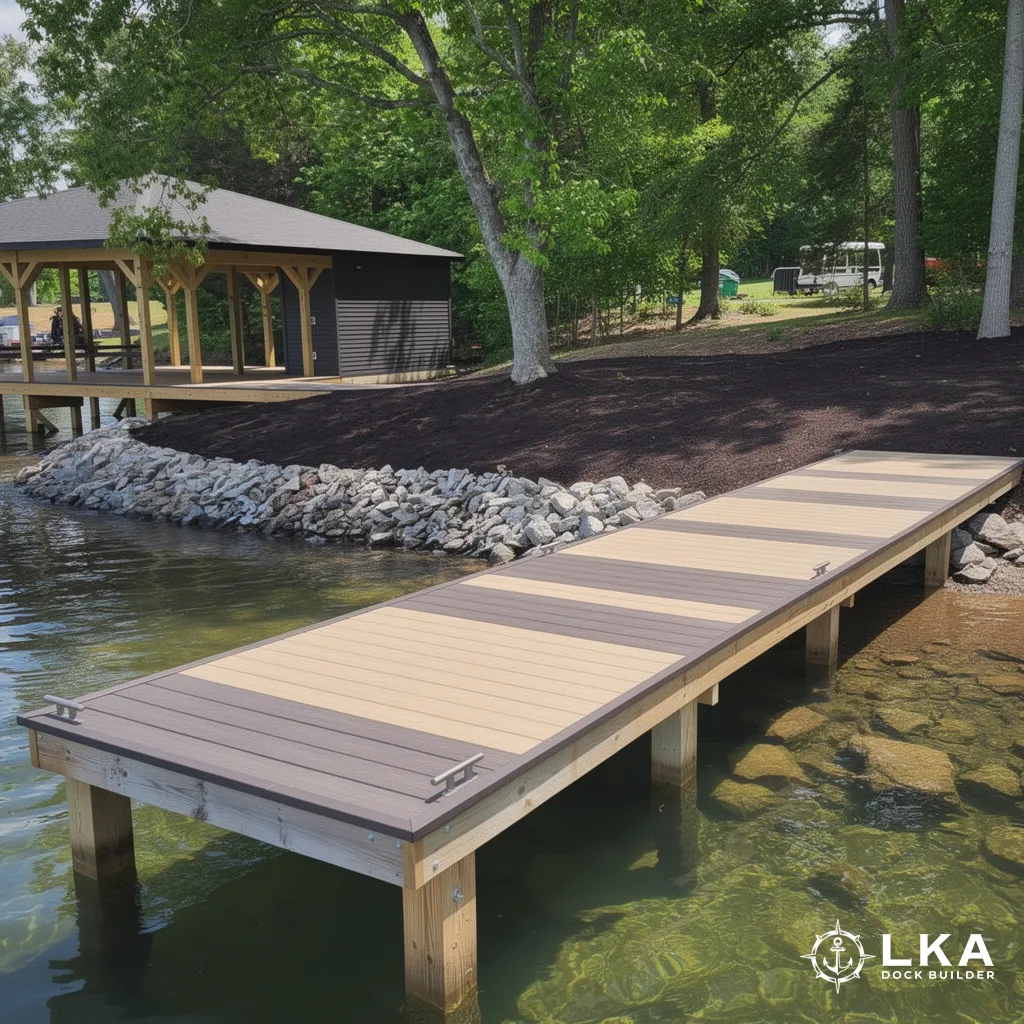
Selecting the appropriate materials for dock construction is crucial for durability and functionality. Options such as treated wood, aluminum, and composite materials each have unique benefits, making it essential to consider factors like environmental impact, maintenance, and aesthetic appeal.
For instance, treated wood offers a classic look but requires regular maintenance to prevent rot, while aluminum is lightweight and resistant to corrosion, making it an excellent choice for longevity. Composite materials combine the best of both worlds, providing a low-maintenance solution that mimics the appearance of wood without the drawbacks.
Maintenance Tips for Your Dock and Seawall
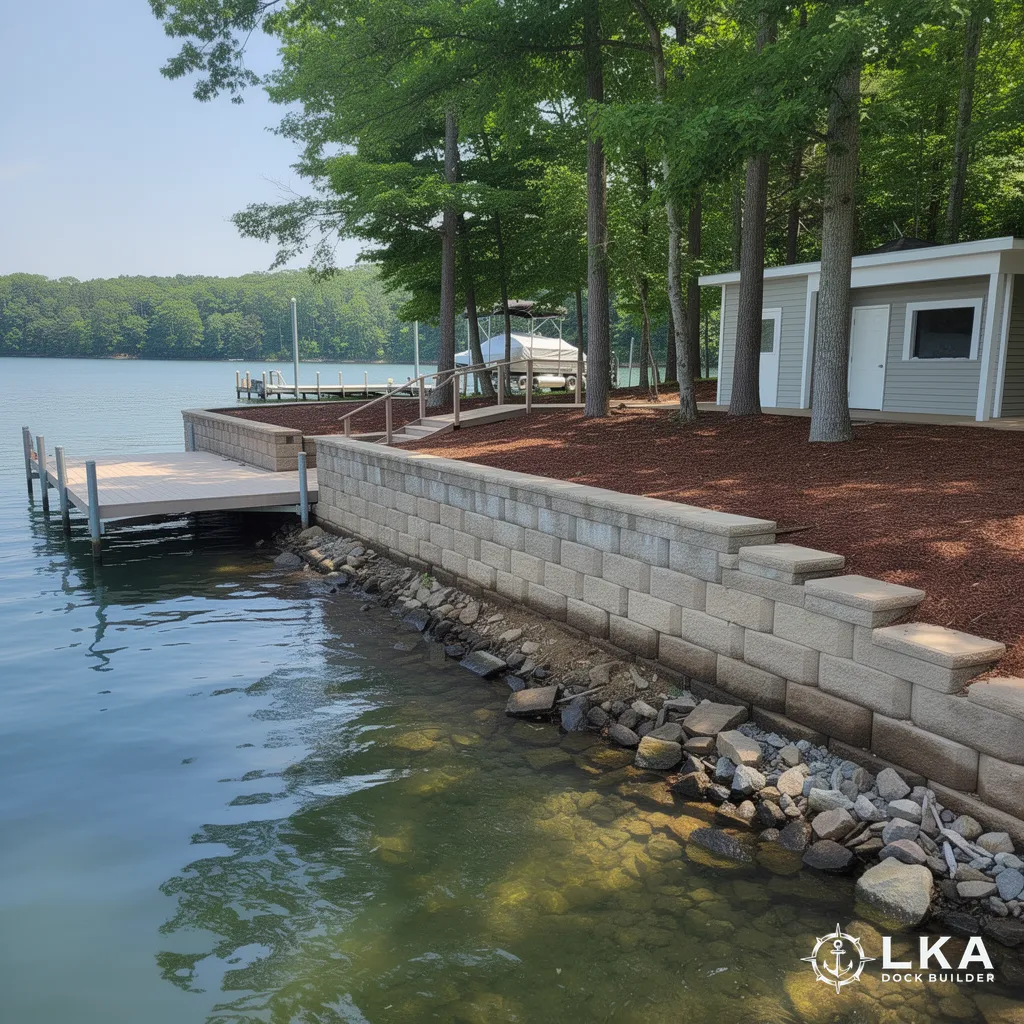
Regular maintenance is vital to ensure the longevity and safety of your dock and seawall. This includes routine inspections for any signs of wear and tear, as well as cleaning to prevent algae buildup and other debris that can affect water quality and aesthetics.
For example, power washing your dock annually can help remove grime and prevent slip hazards, while checking for loose boards or structural damage can prevent costly repairs down the line. Additionally, applying sealants can protect wood surfaces from water damage and UV exposure.
Understanding the Environmental Impact of Dock Construction
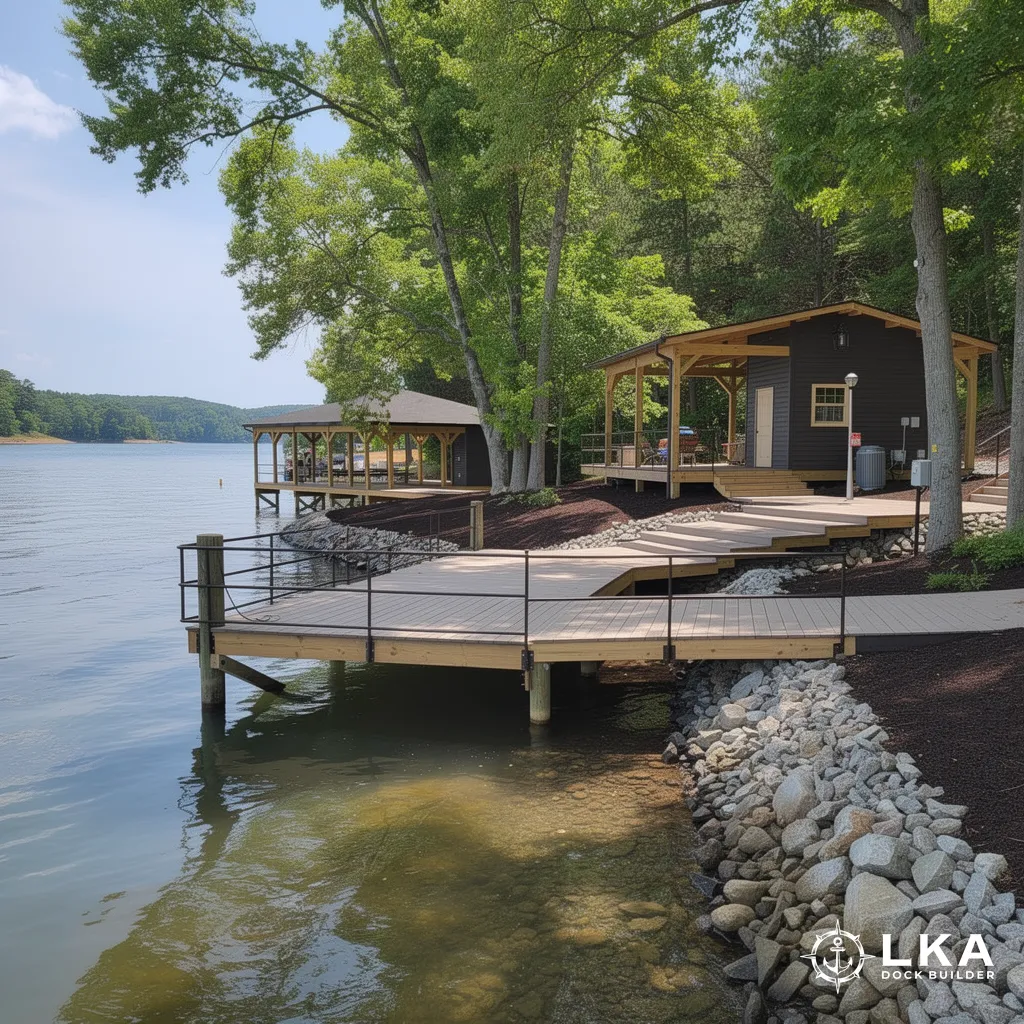
It's important to consider the environmental impact of dock construction on local ecosystems. Construction activities can disrupt aquatic habitats and contribute to erosion if not carefully managed, making it essential to follow best practices and local regulations.
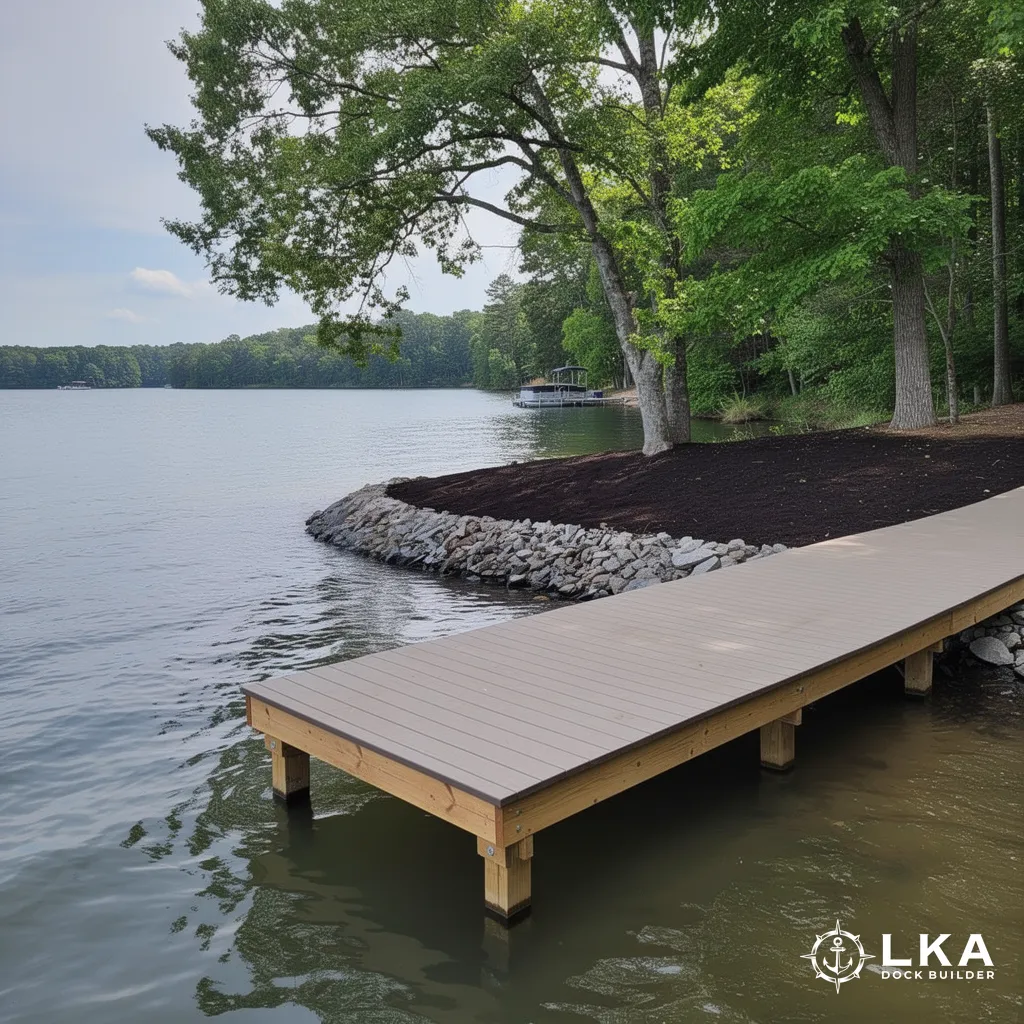
For example, using eco-friendly materials and techniques can minimize disturbances to the surrounding environment. Implementing erosion control measures, such as planting native vegetation along shorelines, can help maintain the health of Lake Anna’s ecosystem while allowing for responsible waterfront development.
Common Mistakes to Avoid When Building a Dock
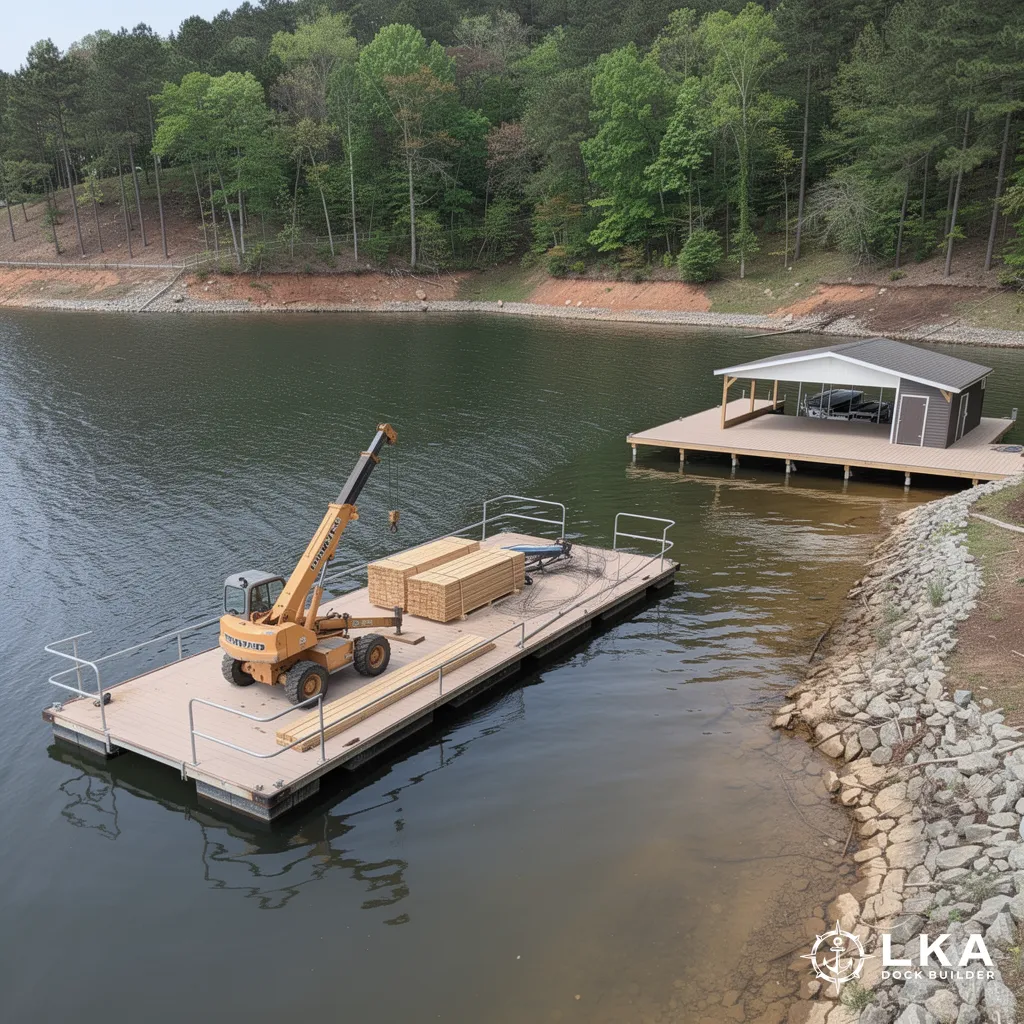
When planning a dock construction project, avoiding common mistakes can save time and money. One frequent error is underestimating the importance of proper permits and regulations, which can lead to fines or required modifications after construction begins.
Another mistake is neglecting to assess the site conditions thoroughly. Factors such as water depth, soil type, and weather patterns can significantly influence the design and materials needed for a successful dock. Engaging with professionals early in the planning process can help mitigate these risks and ensure a smoother construction experience.
Choosing the Right Materials for Dock Construction
Selecting the appropriate materials for dock construction is crucial for durability and functionality. Options such as treated wood, aluminum, and composite materials each have unique benefits, making it essential to consider factors like environmental impact, maintenance, and aesthetic appeal.
For instance, treated wood offers a classic look but requires regular maintenance to prevent rot, while aluminum is lightweight and resistant to corrosion, making it an excellent choice for longevity. Composite materials combine the best of both worlds, providing a low-maintenance solution that mimics the appearance of wood without the drawbacks.
Maintenance Tips for Your Dock and Seawall
Regular maintenance is vital to ensure the longevity and safety of your dock and seawall. This includes routine inspections for any signs of wear and tear, as well as cleaning to prevent algae buildup and other debris that can affect water quality and aesthetics.
For example, power washing your dock annually can help remove grime and prevent slip hazards, while checking for loose boards or structural damage can prevent costly repairs down the line. Additionally, applying sealants can protect wood surfaces from water damage and UV exposure.
Understanding the Environmental Impact of Dock Construction
It's important to consider the environmental impact of dock construction on local ecosystems. Construction activities can disrupt aquatic habitats and contribute to erosion if not carefully managed, making it essential to follow best practices and local regulations.
For example, using eco-friendly materials and techniques can minimize disturbances to the surrounding environment. Implementing erosion control measures, such as planting native vegetation along shorelines, can help maintain the health of Lake Anna’s ecosystem while allowing for responsible waterfront development.
Common Mistakes to Avoid When Building a Dock
When planning a dock construction project, avoiding common mistakes can save time and money. One frequent error is underestimating the importance of proper permits and regulations, which can lead to fines or required modifications after construction begins.
Another mistake is neglecting to assess the site conditions thoroughly. Factors such as water depth, soil type, and weather patterns can significantly influence the design and materials needed for a successful dock. Engaging with professionals early in the planning process can help mitigate these risks and ensure a smoother construction experience.