Choosing the Right Materials for Dock Construction
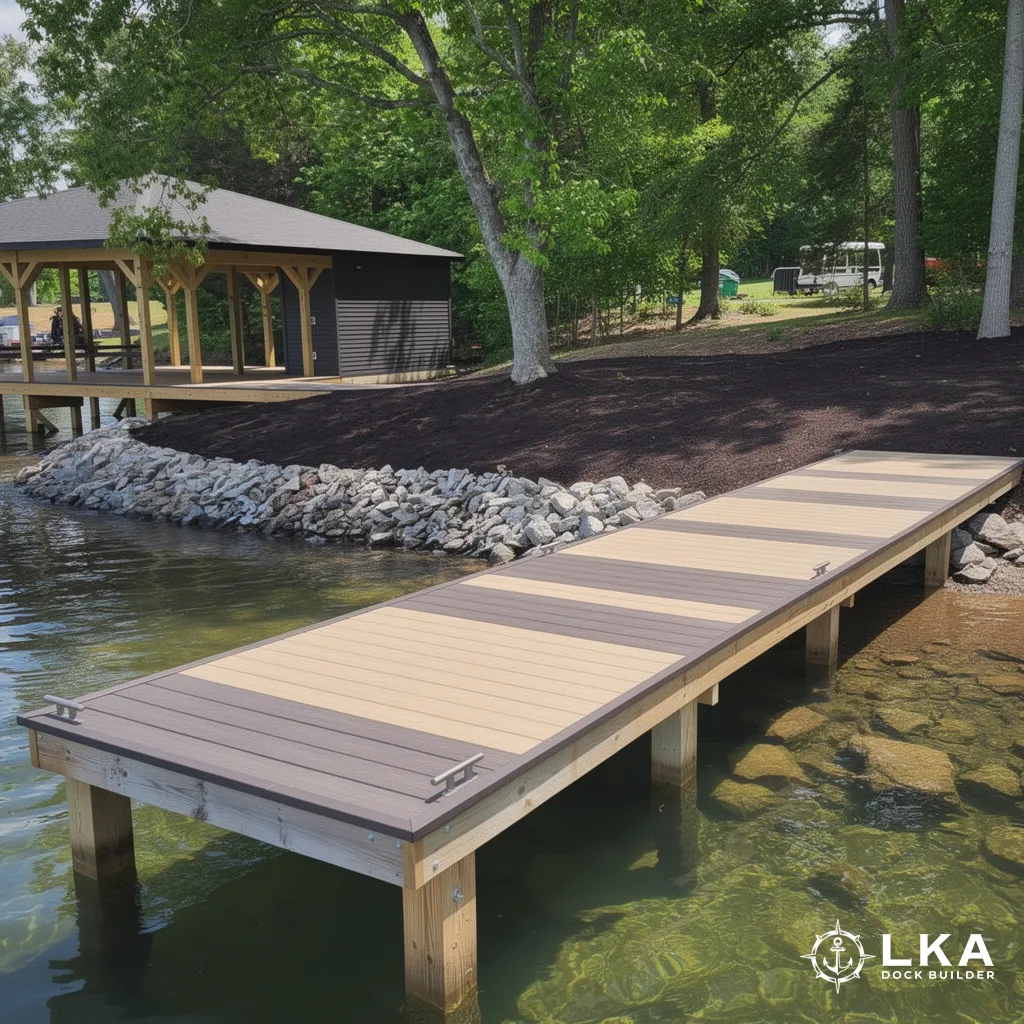
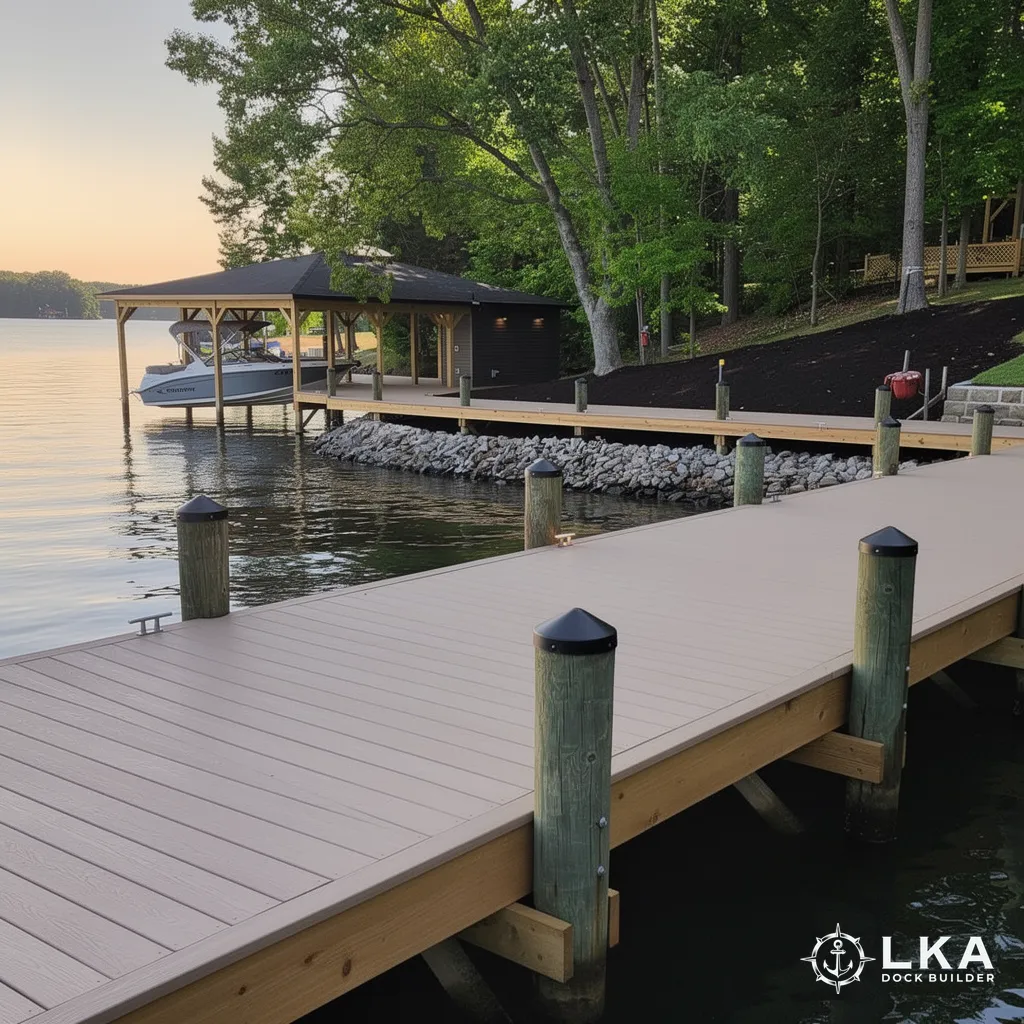
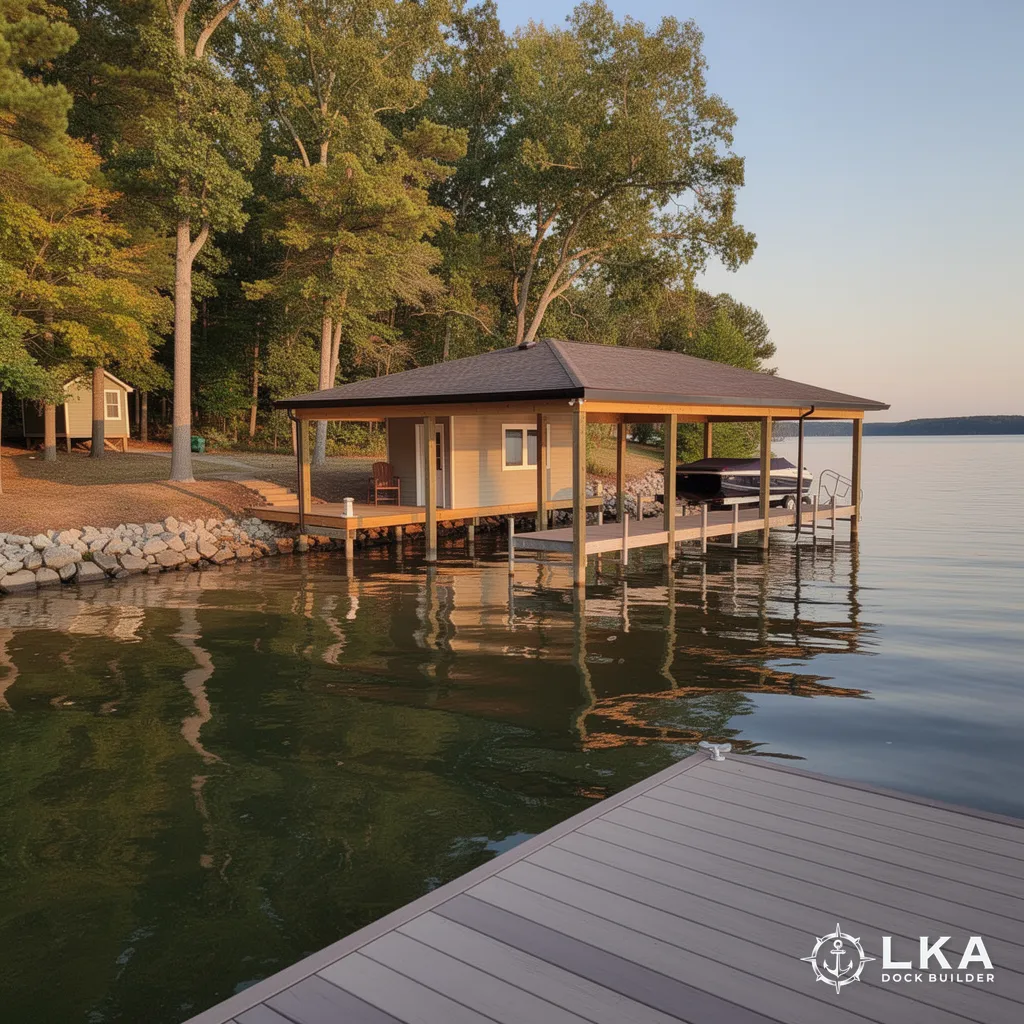
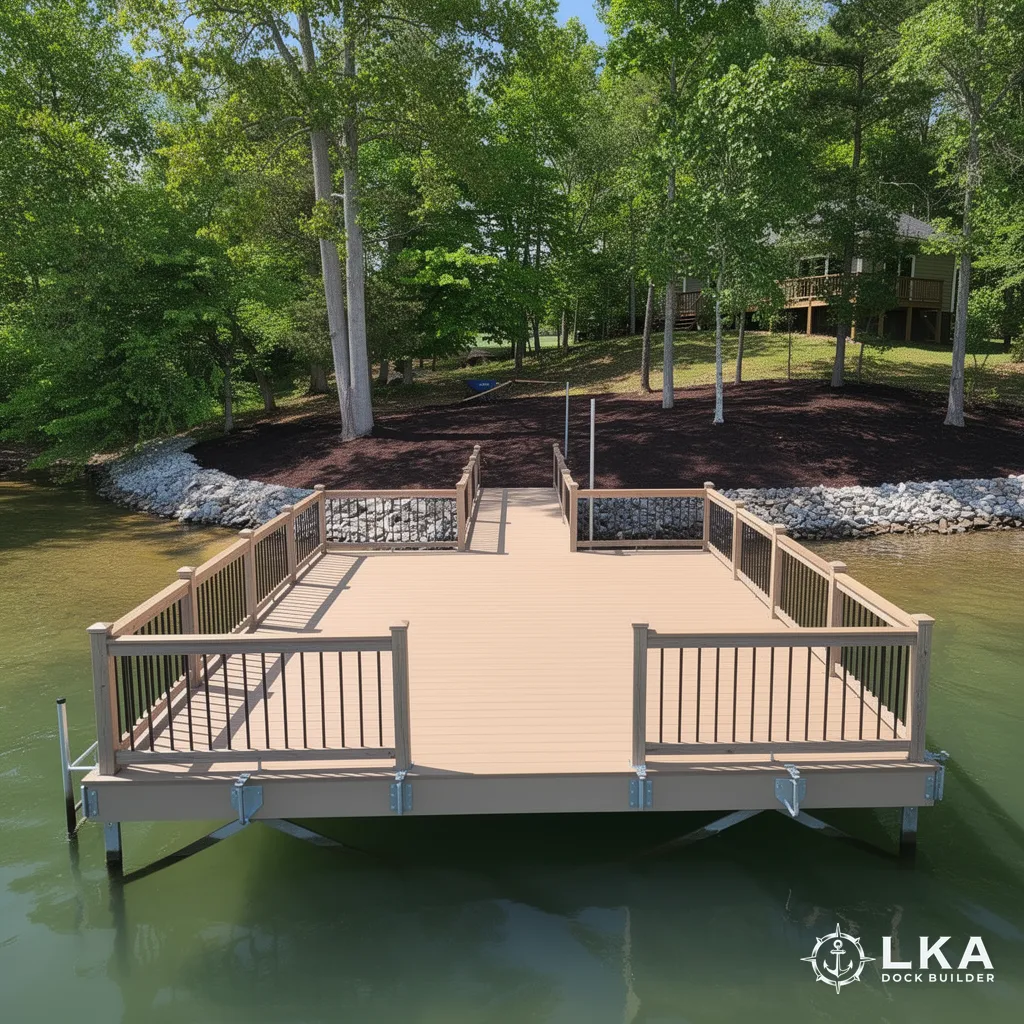
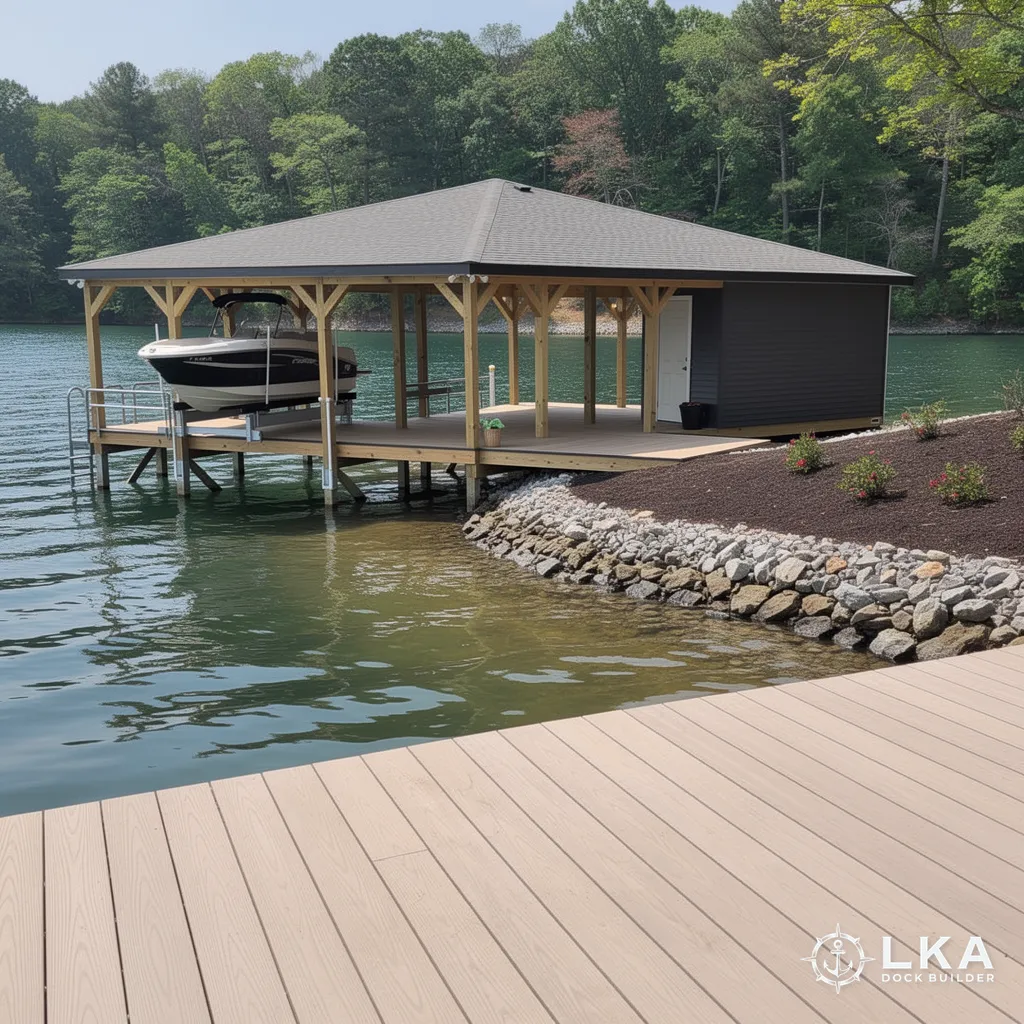
When it comes to building a dock, selecting the right materials is crucial for durability and functionality. Common materials include pressure-treated wood, composite decking, and aluminum, each offering unique benefits suited to different environments and budgets.
For instance, pressure-treated wood is a popular choice due to its affordability and natural appearance, while composite materials provide enhanced resistance to weathering and require less maintenance. Understanding the pros and cons of each material will help homeowners make informed decisions that align with their specific needs and the local climate at Lake Anna.
Maintenance Tips for Docks and Seawalls
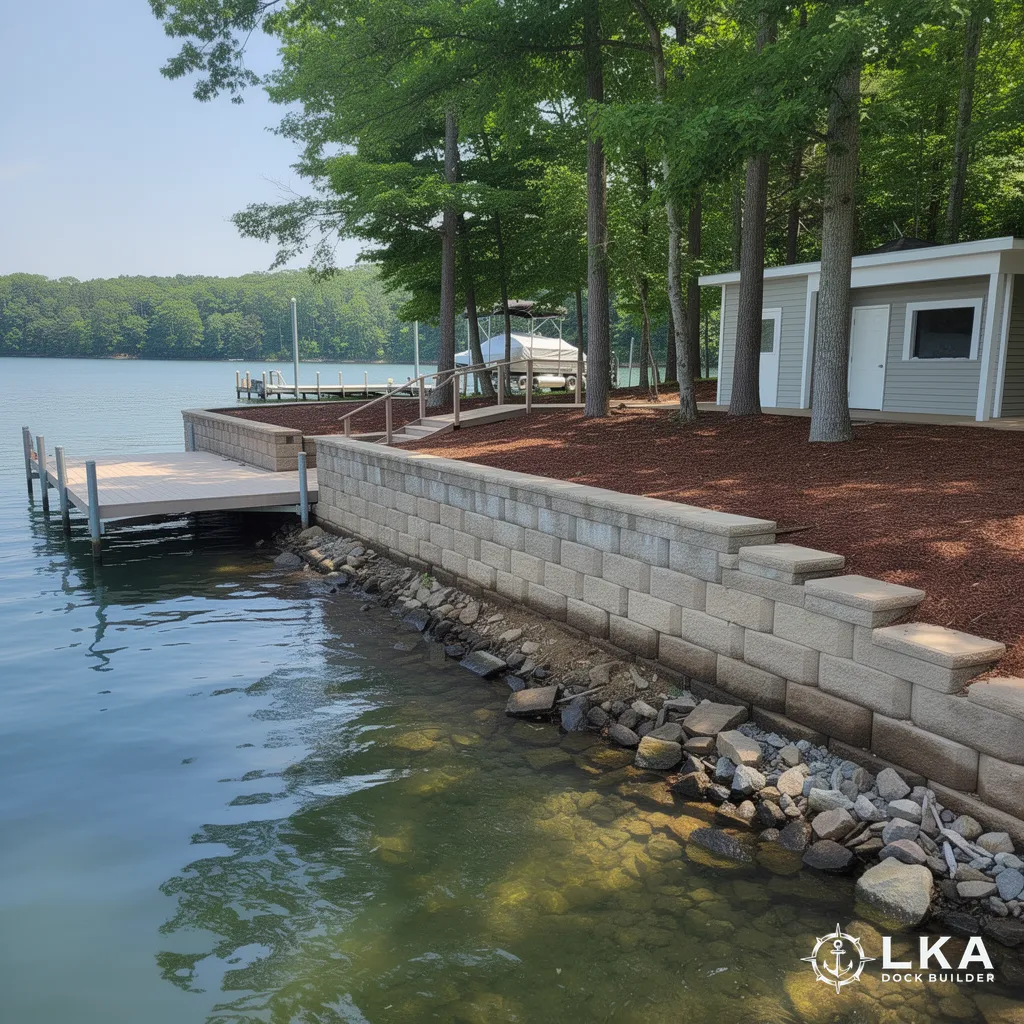
Regular maintenance is essential to prolong the life of docks and seawalls, ensuring they remain safe and functional. Basic maintenance tasks include inspecting for damage, cleaning debris, and applying protective coatings to prevent deterioration.
For example, homeowners should check for loose boards, rust on metal components, and signs of erosion along seawalls. Additionally, seasonal maintenance—such as winterizing docks to prevent ice damage—can save time and money in the long run, keeping structures in optimal condition for years to come.
Understanding Dock Design Regulations
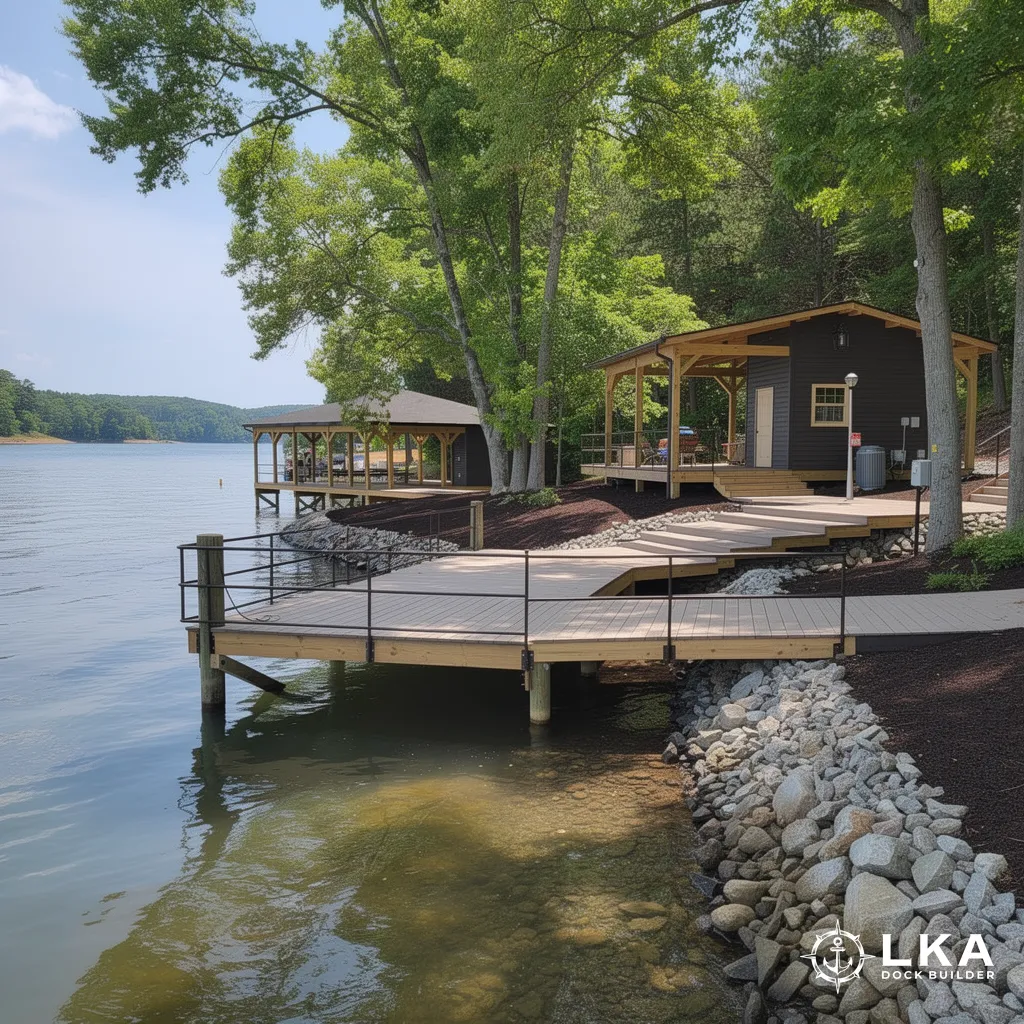
Navigating dock design regulations is a critical aspect of the construction process, as local laws dictate what is permissible for waterfront properties. Familiarizing yourself with these regulations can help avoid costly mistakes and ensure compliance with environmental standards.
In Lake Anna, regulations may cover aspects such as dock size, placement, and materials used. Engaging with local authorities and obtaining the necessary permits before construction is essential for a smooth building process and to protect the natural ecosystem of the lake.
Environmental Impact of Dock Construction
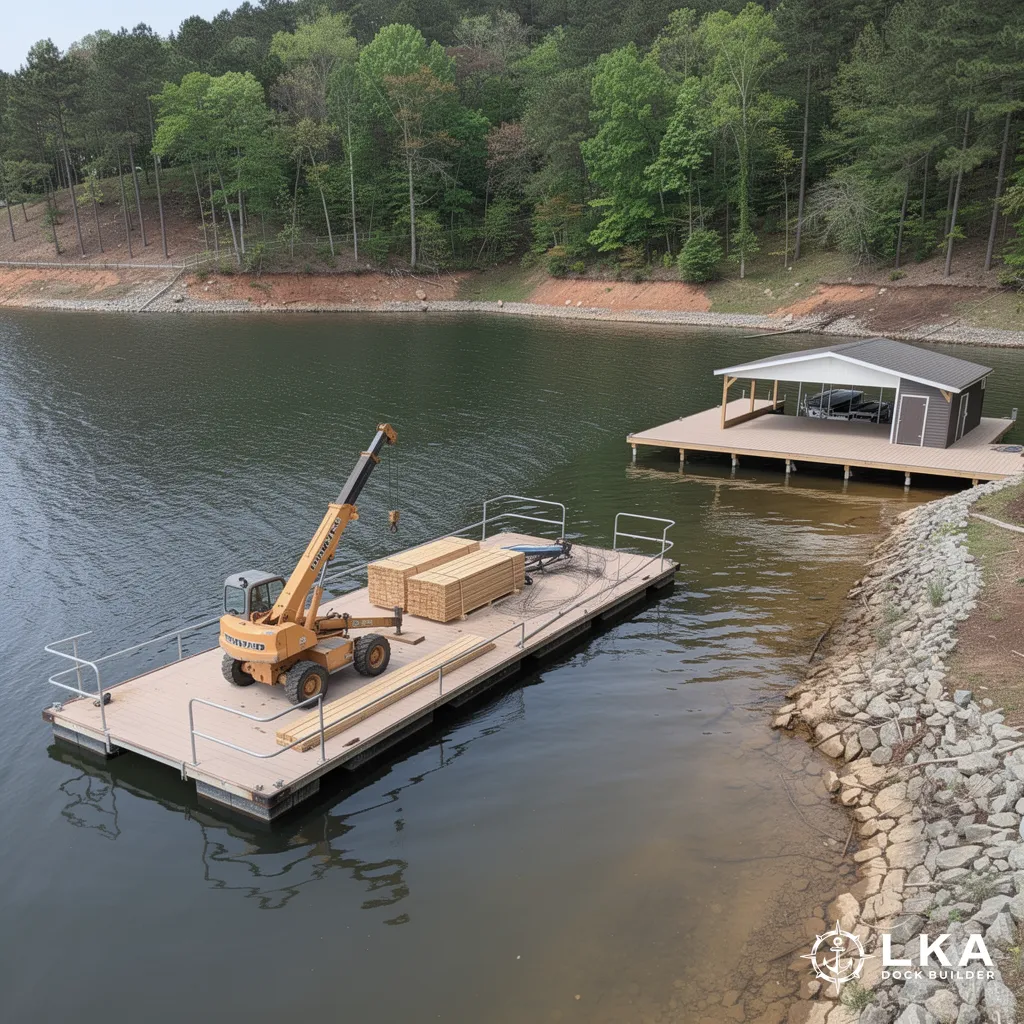
Dock construction can significantly impact local ecosystems, making it important for builders and homeowners to consider environmental factors. Understanding how docks affect water flow, wildlife habitats, and shoreline stability is crucial for sustainable building practices.
For example, proper planning can minimize disruption to aquatic life and prevent erosion. Implementing environmentally-friendly practices, such as using permeable materials and incorporating native vegetation, can help mitigate negative effects and promote a healthier lake environment.
Choosing the Right Materials for Dock Construction
When it comes to building a dock, selecting the right materials is crucial for durability and functionality. Common materials include pressure-treated wood, composite decking, and aluminum, each offering unique benefits suited to different environments and budgets.
For instance, pressure-treated wood is a popular choice due to its affordability and natural appearance, while composite materials provide enhanced resistance to weathering and require less maintenance. Understanding the pros and cons of each material will help homeowners make informed decisions that align with their specific needs and the local climate at Lake Anna.
Maintenance Tips for Docks and Seawalls
Regular maintenance is essential to prolong the life of docks and seawalls, ensuring they remain safe and functional. Basic maintenance tasks include inspecting for damage, cleaning debris, and applying protective coatings to prevent deterioration.
For example, homeowners should check for loose boards, rust on metal components, and signs of erosion along seawalls. Additionally, seasonal maintenance—such as winterizing docks to prevent ice damage—can save time and money in the long run, keeping structures in optimal condition for years to come.
Understanding Dock Design Regulations
Navigating dock design regulations is a critical aspect of the construction process, as local laws dictate what is permissible for waterfront properties. Familiarizing yourself with these regulations can help avoid costly mistakes and ensure compliance with environmental standards.
In Lake Anna, regulations may cover aspects such as dock size, placement, and materials used. Engaging with local authorities and obtaining the necessary permits before construction is essential for a smooth building process and to protect the natural ecosystem of the lake.
Environmental Impact of Dock Construction
Dock construction can significantly impact local ecosystems, making it important for builders and homeowners to consider environmental factors. Understanding how docks affect water flow, wildlife habitats, and shoreline stability is crucial for sustainable building practices.
For example, proper planning can minimize disruption to aquatic life and prevent erosion. Implementing environmentally-friendly practices, such as using permeable materials and incorporating native vegetation, can help mitigate negative effects and promote a healthier lake environment.